08/19/2026
Peak season is when a smooth supply chain either proves itself or falls apart. Order volume surges, warehouse space runs tight, carriers add surcharges, and customers still expect fast delivery. Getting peak season logistics right means planning inventory, capacity, and shipping well in advance rather than scrambling when the orders hit. And in 2026, the game has changed: peak is no longer a single event in the fourth quarter but a series of rolling peaks throughout the year. This guide walks through what to expect, how much to stock, the new pressures to plan for, and how to keep orders flowing.
Key Takeaways
Peak season in logistics is the period of sharply higher shipping, warehousing, and fulfillment demand around major sales events, traditionally from October through January.
The classic peak runs from the start of holiday stocking through the post-Christmas returns wave, with Black Friday and Cyber Monday at its center. Volume can multiply, capacity tightens, and every part of the chain feels the strain at once. To put the scale in context, the National Retail Federation projected US holiday retail sales to surpass one trillion dollars for the first time, a figure worth verifying against the current-year forecast.

The biggest change in 2026 is that peak season is no longer a single fourth-quarter event but a series of rolling peaks spread across the whole year.
Instead of preparing once for the holidays, brands now face several distinct surges. Chinese New Year shuts down Asian factories and squeezes supply early in the year. Back-to-school drives a summer spike. Golden Week brings another round of Chinese factory closures in early October, right before the holidays. Then Black Friday and Cyber Monday deliver the traditional Q4 wave. The practical result is that inventory and capacity planning has become a year-round discipline, not a Q4 scramble, and the brands that treat it that way avoid being caught short.

For peak season, plan to carry roughly 30 to 40 percent more inventory than your normal volume, plus a safety buffer of about 3 to 4 weeks of demand.
The goal is to hold enough stock to avoid stockouts during the surge without over-buying and getting stuck with markdowns and long-term storage fees afterward. Build your forecast from last year's peak, adjusting for your growth rate and any planned promotions. Then add a safety buffer of three to four weeks of demand to absorb supplier delays and demand spikes, which are more likely when factories are also closed for Chinese New Year or Golden Week.
Because demand shifts quickly during peak, use rolling forecasts that you update every two to three weeks rather than a single plan set months in advance. Track your reorder points closely so replenishment triggers automatically, and keep an eye on which SKUs are selling faster than expected, so you can reallocate stock before they run out.
Other useful articles for you: 👉 Inventory Forecasting and What You Need to Know
Peak season strains logistics through demand surges, higher tariffs, port congestion, carrier capacity limits, and labor shortages, often all at once.
Understanding these pressure points is the first step to planning around them. In 2026, several of them are sharper than usual.
Order volume can multiply during peak, and every downstream step has to keep pace. The scale of seasonal hiring is a useful signal: the National Retail Federation expected retailers to add hundreds of thousands of seasonal workers, which shows just how much extra capacity the industry scrambles to add each year.
Import costs are a growing pressure for 2026. The end of the de minimis exemption on China-origin goods, which previously let low-value shipments enter duty-free, means more shipments now face duties and customs paperwork. That raises landed cost and pushes many brands to front-load their inventory earlier in the year, which in turn tightens warehouse space before peak even begins. Because trade policy changes frequently, confirm the current rules with official sources before you plan around them.
When imports surge, gateway ports congest, and containers dwell longer than their free time allows. That triggers demurrage and detention charges that can add up fast. Pulling containers quickly and having a nearby place to unload is the simplest defense, as we explain in our guide to drayage and transloading.
Air and ocean capacity tightens during peak, and space that is easy to book in a slow month becomes scarce and expensive. Brands that wait until the surge to book often pay more and wait longer.
Warehouses across the country compete for the same seasonal workers at the same time, so labor is harder to find and more expensive exactly when you need it most. This is one reason many brands lean on a 3PL that already has the trained staff in place.
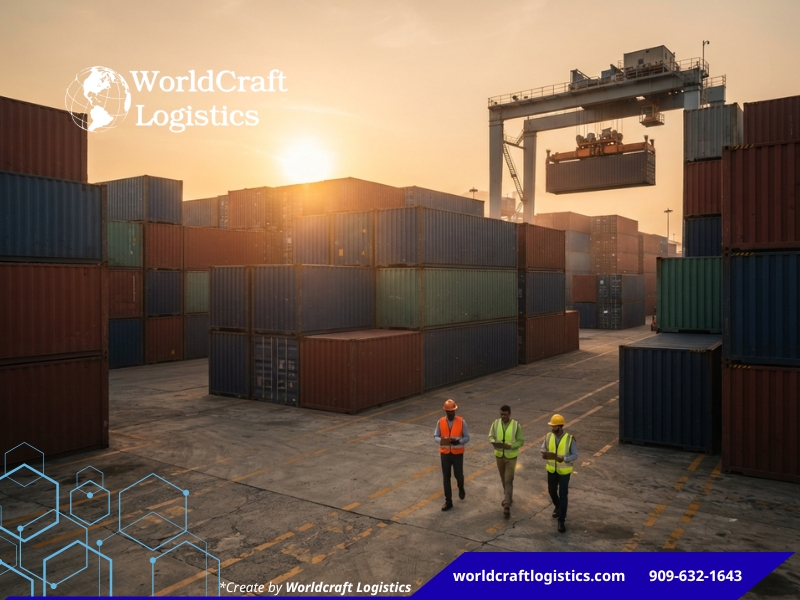
Start preparing 60 to 90 days before each peak by forecasting demand, securing inventory and warehouse space, locking in carrier capacity, and stress-testing your fulfillment.
Peak season rewards early, structured preparation. Use this rolling timeline for each peak on your calendar.
With rolling peaks, treat this as a repeating cycle rather than a one-time project, so each surge is planned rather than survived.

Peak season needs flexible warehouse capacity you can scale up and down, which is why many brands use overflow storage or a 3PL rather than a fixed lease.
A warehouse sized for your busiest week sits half empty the rest of the year, and with rolling peaks that inefficiency repeats every season. Overflow storage and 3PL warehousing solve this by giving you space and labor when a peak hits and letting you scale back down afterward, so you only pay for what you use.
Worldcraft Logistics provides this flexibility from three FDA-registered fulfillment centers in California, in Ontario, Union City, and Cerritos, positioned near both the Port of Oakland in Northern California and the Ports of Los Angeles and Long Beach in the south. Because we are also a freight forwarder, we can receive your imports, store the surge, and fulfill orders through every peak with one partner.
Need flexible space for peak season? Get a peak season shipping quote from Worldcraft Logistics →
Manage peak season shipping costs by booking carrier space early, budgeting for peak season surcharges, and diversifying your carriers and modes.
During peak, carriers apply a peak season surcharge, an extra fee per container or per package on top of the base rate, and for 2026 these surcharges are expected to rise by roughly 4 to 7 percent. Build that increase into your budget rather than being surprised by it. Book ocean and air capacity early to secure both space and better rates, and avoid relying on a single carrier or mode so a capacity crunch on one lane does not stall your whole operation. A freight forwarder can help you access space and compare options across carriers when capacity is tight.

Holiday fulfillment keeps orders shipping accurately during the surge by scaling pick and pack, planning for the returns wave, and communicating shipping cutoffs to customers.
The fulfillment side is where peak volume is won or lost. Make sure your pick and pack operation can scale, whether that means seasonal staff or a 3PL with capacity already in place, so accuracy does not slip as volume climbs. Plan for the returns wave that follows every holiday, because e-commerce returns spike sharply and slow returns lock up inventory you could resell. Just as important, publish clear order cutoff dates for guaranteed delivery and keep customers informed, since clear communication reduces support tickets and protects your brand when delays happen.
A 3PL handles peak season by flexing warehouse space and labor, managing carrier relationships and surcharges, and running fulfillment across multiple peaks so you do not have to.
The advantage of a third-party logistics partner is that peak is their core business. They already have the space, the trained seasonal labor, the carrier relationships, and the technology, so you tap into capacity that is expensive and slow to build yourself. In a world of rolling peaks, that matters even more, because you get consistent, scalable support for every surge rather than rebuilding your own operation several times a year.
Worldcraft Logistics supports brands through every peak with flexible warehousing and overflow storage across three FDA-registered California locations, freight forwarding and customs to keep imports moving, cross-docking and transloading near the Port of Oakland and the Los Angeles and Long Beach ports, and scalable pick and pack and returns handling. Whether you are bracing for Chinese New Year, back-to-school, or the Black Friday rush, we scale space and labor up for each peak and back down afterward, so your capacity always matches your demand and you never pay for idle space in the quiet months.
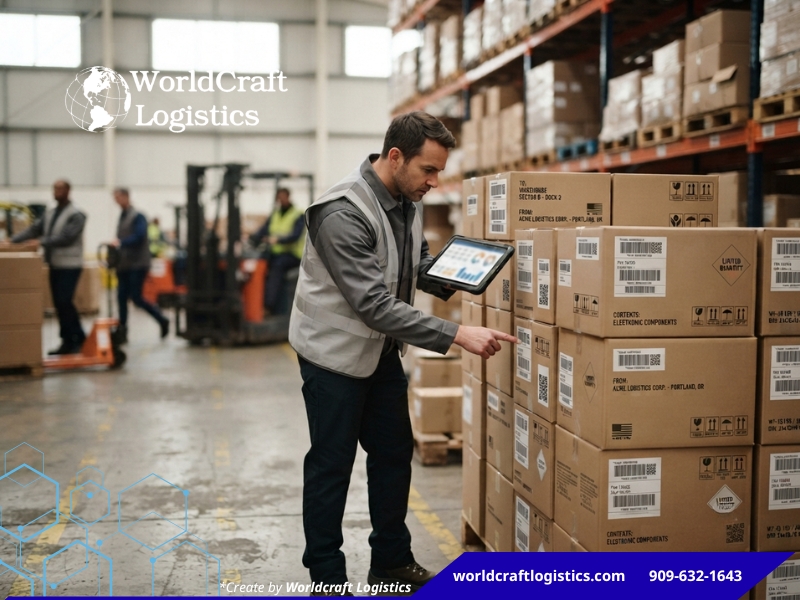
The same situations come up for brands every peak season. Here is what they look like and how the right logistics setup resolves them.
With rolling peaks and factory closures around Chinese New Year and Golden Week, a brand that plans only for Q4 can run out of stock months before the holidays. Forecasting each peak and front-loading inventory with a safety buffer, backed by flexible warehouse space to hold it, prevents the stockout that would otherwise cost the busiest weeks of the year.
A brand that fulfills in-house can be buried by the Black Friday and Cyber Monday surge, with orders piling up faster than a small team can pack them accurately. Shifting fulfillment to a 3PL with scalable pick and pack keeps orders shipping on time through the spike, then scales back down afterward.
When everyone imports at once, containers sit at congested ports and rack up demurrage. An importer working with a port-adjacent warehouse and a forwarder can pull and unload containers quickly, turning a costly delay into a routine move and keeping peak inventory flowing to customers.
Peak season logistics is less about surviving one busy quarter and more about running a supply chain that is ready for rolling peaks all year. Forecast each surge, carry the right buffer, plan for tariffs and surcharges, secure flexible capacity, and keep orders and communication flowing. Brands that prepare this way turn peak season from a yearly emergency into a repeatable, well-run cycle, and a 3PL partner can carry much of that load so you can focus on selling.
Avoid stockouts by forecasting each peak from last year's data plus your growth rate, carrying a safety buffer of a few weeks of demand, and using rolling forecasts and reorder points so your fast-selling SKUs are replenished before they run out.
Plan an exit for surplus stock before it costs you. Run post-peak promotions, redistribute it toward the next channel or peak, or move it into lower-cost overflow storage so it is not sitting in prime space racking up long-term storage fees.
Yes. Overflow storage and 3PL warehousing let you take extra space and labor only for the weeks you need, without signing a long lease, which suits the on-and-off demand of rolling peaks. Worldcraft Logistics offers this across its three California facilities.
Order earlier and carry extra safety stock ahead of Chinese New Year and Golden Week, when Asian factories close for weeks. Confirm your supplier's exact closure dates and build that lead-time gap into your peak inventory plan.
Peak warehousing is usually priced per pallet per month plus receiving and fulfillment fees, so cost scales with volume, and overflow space you use only during peaks is cheaper than a year-round lease. Request a quote for your peak profile.
Sources and Further Reading
This guide references industry and government sources. Always confirm current-year figures and policy before you plan.

SEO
Digital Marketing/SEO Specialist
Simon Mang is the SEO and Digital Marketing Specialist at Worldcraft Logistics, where he leads content strategy to promote the company's online presence. With years of experience in digital marketing and a strong understanding of the logistics industry, he has published more than 500 specialized articles across freight, warehousing, and supply chain topics. ( Reviewed for accuracy by the Worldcraft Logistics Operations Team ).