Blogs/education
03/09/2025
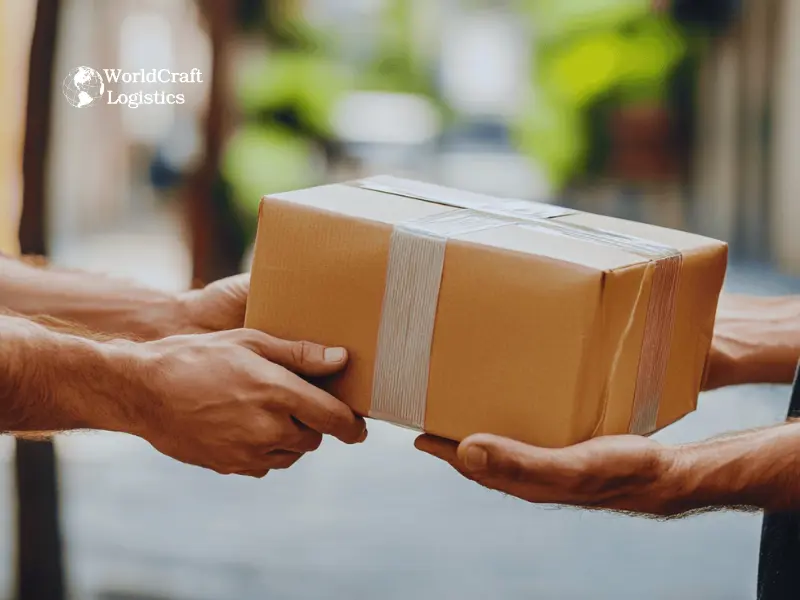
Proof of Delivery (POD) is a crucial part of modern logistics, ensuring that shipments reach the right recipient at the right time. Whether for e-commerce, freight, or last-mile delivery, businesses rely on Proof of Delivery to confirm successful transactions, prevent disputes, and enhance customer satisfaction. As technology evolves, companies are moving from traditional paper-based confirmations to digital and photo-based verification, making deliveries more transparent and efficient.
Proof of Delivery (POD) is a document that confirms a shipment has been successfully delivered to its intended recipient. It typically includes essential details such as the recipient's name, delivery address, date and time of delivery, and the recipient's signature or other forms of acknowledgment. POD serves as tangible evidence that the delivery has been completed, ensuring accountability in the delivery management process.
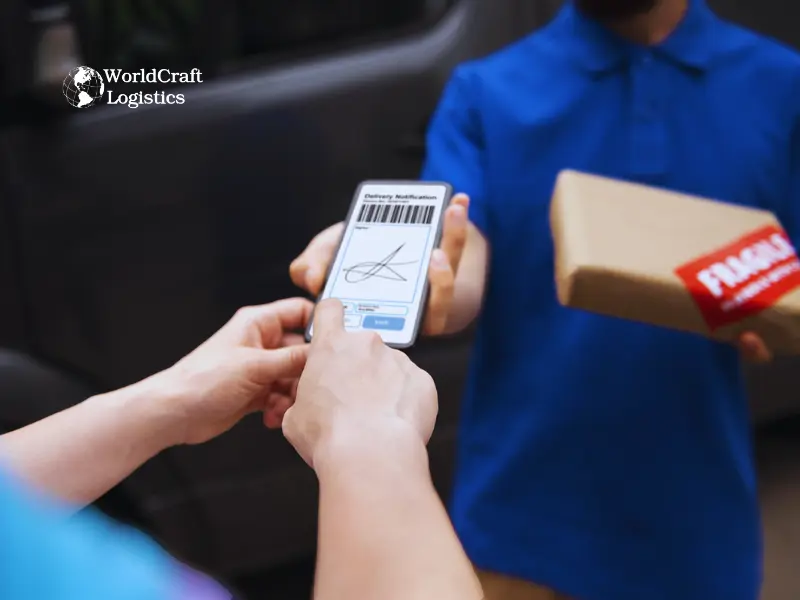
Proof of Delivery (POD) is vital to businesses as it ensures transparency, accountability, and customer satisfaction in the shipping and logistics process. By providing verifiable evidence that a package has reached its intended recipient, businesses can prevent disputes, reduce fraudulent claims, and improve operational efficiency.
Using Proof of Delivery, companies can track shipments in real-time, resolve delivery issues promptly, and maintain accurate records for legal and financial purposes. Additionally, POD enhances customer trust by offering confirmation that their orders have been successfully delivered. In industries such as e-commerce, healthcare, and supply chain logistics, implementing a robust Proof of Delivery system is essential for smooth operations and maintaining a strong reputation.
Proof of Delivery (POD) provides numerous benefits to consumers by enhancing security, transparency, and overall convenience in the delivery process. Whether shopping online, receiving critical documents, or managing bulk shipments, consumers rely on Proof of Delivery to confirm that their packages have arrived safely and on time.
One of the primary benefits of Proof of Delivery (POD) is that it provides consumers with concrete evidence that their package was delivered to the correct location. This helps prevent lost, stolen, or misdelivered packages, which are common concerns, especially in high-volume e-commerce transactions. POD records typically include the recipient’s signature, delivery time, date, and sometimes a photo, ensuring that deliveries are secure and verifiable.
Modern Proof of Delivery systems offer real-time tracking updates, allowing consumers to monitor their shipments from dispatch to final delivery. This transparency helps customers plan for their package’s arrival and reduces uncertainty. Digital POD solutions also store delivery confirmations electronically, allowing consumers to access proof whenever needed.
Disputes over missing or undelivered packages can be frustrating for both consumers and businesses. Proof of Delivery serves as official documentation that a delivery was successfully completed, reducing the chances of fraudulent claims and misunderstandings. If a consumer does not receive a package, they can request the POD document to verify details and resolve the issue efficiently.
With the rise of digital Proof of Delivery (POD), many couriers now provide photo evidence and electronic signatures as part of their delivery confirmation process. This is especially useful for contactless deliveries, where a courier can take a photo of the package at the doorstep instead of requiring a physical signature. Consumers can then access these confirmations via email or tracking portals for added reassurance.
Reliable delivery services with proper Proof of Delivery increase customer satisfaction. Knowing that a business has a robust POD system in place reassures consumers that their orders are handled professionally. This is particularly important for high-value items, medical supplies, or legal documents that require strict delivery confirmation.
If a customer needs to return an item or file a refund claim, Proof of Delivery documentation can streamline the process. Many businesses require a POD record to process refunds, exchanges, or warranty claims. Having easy access to this documentation ensures that consumers can resolve such issues smoothly without unnecessary delays.
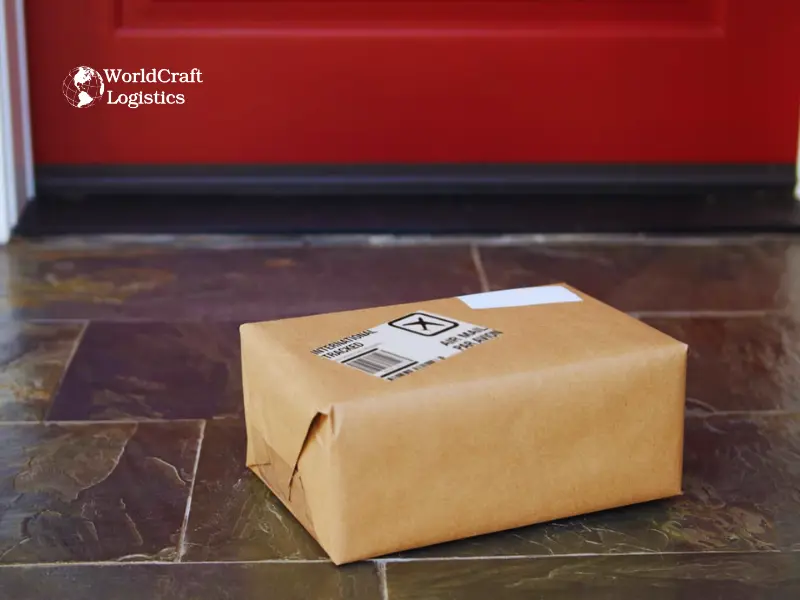
In summary, Proof of Delivery (POD) is an essential tool for consumers, offering security, transparency, and peace of mind. By leveraging digital and paper-based POD systems, consumers can verify their deliveries, avoid disputes, and enjoy a more seamless shopping experience.
>>> Read more: Shipping Damage: Causes, Prevention, and How to Handle It
Proof of Delivery (POD) documents contain essential details that confirm a successful delivery. These documents serve as legal and logistical records, ensuring accountability for both businesses and consumers. Depending on the type of delivery and industry, a Proof of Delivery document may include various forms of verification.
Component | Description | E-Commerce Industry Relevance | Logistics Industry Relevance |
Recipient Information | Full name, delivery address, and contact details of the recipient. | Ensures the package is delivered to the correct customer. Reduces misdeliveries and fraud. | Critical for verifying shipments for B2B clients, warehouses, and retailers. |
Delivery Date & Time | Timestamp indicating when the package was successfully delivered. | Helps customers track delivery schedules and reduces disputes over late shipments. | Ensures on-time delivery for businesses and provides data for performance tracking. |
Signature Confirmation | A physical or digital signature from the recipient acknowledging receipt. | Confirms that the customer has received their order. Used in case of chargeback disputes. | Essential for verifying business deliveries and preventing lost shipments. |
Itemized List of Goods | Details of delivered items, including product names, quantities, and SKUs. | Helps customers confirm they received the correct products and quantities. | Crucial for inventory management, supply chain tracking, and reducing delivery errors. |
Tracking & Order Numbers | Unique identifiers linking the POD to the order and shipment. | Allows customers to track orders and match deliveries to purchases. | Enables logistics providers to track multiple shipments efficiently. |
Courier/Delivery Personnel Details | Includes the name, ID, or signature of the delivery driver or courier. | Adds accountability for last-mile delivery services like FedEx, UPS, or DHL. | Important for logistics companies to track who handled and delivered shipments. |
Proof of Condition | Notes on the package’s condition upon arrival, documenting damages if any. | Reduces customer complaints about damaged items and enables faster replacements. | Protects businesses from liability in case of damaged shipments. |
Photo Proof (For Digital PODs) | A digital image of the delivered package at the customer’s doorstep or location. | Useful for contactless deliveries and e-commerce orders to avoid disputes. | Essential for logistics providers delivering to warehouses, stores, or construction sites. |
GPS Location (For Digital PODs) | GPS coordinates showing the exact delivery location. | Prevents fraud claims and provides proof in case of stolen packages. | Helps logistics companies optimize routes and ensure precise deliveries. |
Additional Notes & Instructions | Special handling instructions or delivery comments. | Ensures that fragile, perishable, or high-value items are properly handled. | Used in B2B deliveries to meet specific warehouse or retailer requirements. |
*Key Benefits for E-Commerce & Logistics
E-Commerce: POD helps online stores like Amazon, Shopify, and eBay resolve disputes, reduce fraud, and improve customer trust.
Logistics: POD ensures accurate deliveries, optimizes operations, and minimizes risks in supply chain management.
Proof of Delivery (POD) plays a crucial role in ensuring that shipments reach their intended recipients accurately and on time. Businesses use different types of Proof of Delivery (POD) confirmation methods based on their industry needs, security requirements, and technological capabilities. Below are the three primary types:
Paper-based Proof of Delivery (POD) is the traditional method where recipients sign a physical document upon receiving a shipment. This document includes details such as the recipient’s name, delivery date, item list, and courier information.
Pros:
✔️ Legally recognized and widely accepted.
✔️ No need for digital infrastructure.
✔️ Provides a physical record for disputes.
Cons:
❌ Prone to loss or damage.
❌ Requires manual storage and retrieval.
❌ Limited accessibility and inefficient for large-scale logistics.
Digital or Electronic Proof of Delivery (POD) uses technology such as mobile applications, barcode scanning, and cloud storage to verify and store delivery confirmations. Couriers use electronic devices to collect recipient signatures, scan QR codes, or capture timestamps.
Pros:
✔️ Faster processing and real-time updates.
✔️ Secure and easy to retrieve from cloud storage.
✔️ Reduces paper usage, making it environmentally friendly.
Cons:
❌ Requires internet connectivity and device access.
❌ Security concerns if digital records are not encrypted properly.
❌ Some customers may still prefer physical documentation.
This modern Proof of Delivery (POD) method involves taking a photo of the delivered package at the recipient’s location or capturing an electronic signature. Many e-commerce and logistics companies, like Amazon, FedEx, and UPS, rely on this approach for contactless deliveries.
Pros:
✔️ Provides visual confirmation of delivery.
✔️ Reduces disputes and chargebacks in e-commerce.
✔️ Enhances security and fraud prevention.
Cons:
❌ Privacy concerns for customers regarding photo storage.
❌ Requires courier training for proper documentation.
❌ May not be accepted in legal disputes without additional verification.

Choosing the right Proof of Delivery (POD) method depends on business requirements, technology infrastructure, and customer expectations. While traditional paper-based methods still exist, digital and photo-based solutions are becoming the industry standard for logistics and e-commerce companies.
>>> Read more: Shipping Dates & Delivery Dates: Differences & Importance Explained
With the rise of digital transformation in e-commerce and logistics, many businesses are shifting from traditional paper-based Proof of Delivery (POD) to electronic versions. An Electronic Proof of Delivery (ePOD) streamlines the delivery process, reduces paperwork, and enhances efficiency. Below is a step-by-step guide on how to implement an Electronic Proof of Delivery (POD) system effectively.
Step #1: Choose a Digital Proof of Delivery (POD) Software
To create an Electronic Proof of Delivery (POD) system, businesses need a reliable digital platform or mobile app. Some of the most used ePOD software applications include:
✅ Tip: Select software that integrates with your existing logistics or e-commerce management system.
Step #2: Configure Delivery Tracking and Order Integration
✅ Tip: Use GPS tracking to improve delivery accuracy and provide real-time updates.
Step #3: Implement Electronic Signature & Photo Capture
✅ Tip: For high-value deliveries, use ID verification alongside e-signatures.
Step #4: Automate Notifications & Delivery Confirmations
✅ Tip: Allow customers to rate the delivery or provide feedback for service improvements.
Step #5: Secure & Store Digital Proof of Delivery (POD) Data
✅ Tip: Keep electronic POD records for at least 6-12 months in case of disputes or audits.
Implementing an Electronic Proof of Delivery (POD) system boosts efficiency, enhances customer trust, and ensures secure record-keeping. Businesses in e-commerce and logistics should embrace digital solutions to improve operational accuracy and streamline delivery processes.
>>> Read more: Shipping labels: How to create, print, manage & read parameters accurately
For businesses in e-commerce and logistics, using a Proof of Delivery (POD) software application is essential to ensure smooth and efficient delivery operations. These applications help companies track deliveries, collect electronic signatures, and provide real-time proof of successful deliveries. Below are five of the most widely used Proof of Delivery (POD) software applications.
🚀 Best for: Last-mile delivery and real-time tracking
Onfleet is a leading Proof of Delivery (POD) software used by logistics companies and e-commerce businesses. It provides real-time GPS tracking, automated notifications, and digital signatures to verify deliveries.
Key Features:
✔️ Real-time driver tracking and route optimization
✔️ Digital proof of delivery with e-signatures and photos
✔️ Automated SMS and email notifications
✔️ Analytics dashboard for performance tracking
Ideal for: Food delivery, couriers, e-commerce, and retail businesses
📦 Best for: Paperless delivery management and compliance
Track-POD is a cloud-based Electronic Proof of Delivery (ePOD) software that enables contactless deliveries. It integrates with barcode scanning and photo proof of delivery, making it ideal for logistics and e-commerce companies.
Key Features:
✔️ Digital signature and photo capture for POD
✔️ Barcode and QR code scanning for package verification
✔️ GPS tracking with real-time driver status updates
✔️ Customer notification system with tracking links
Ideal for: Logistics providers, wholesalers, and e-commerce retailers
📍 Best for: Route optimization and delivery scheduling
Routific is an AI-powered delivery management platform that includes Proof of Delivery (POD) capabilities. It helps businesses reduce fuel costs, improve delivery accuracy, and enhance customer experience.
Key Features:
✔️ Route optimization to improve delivery efficiency
✔️ Electronic signatures and digital POD records
✔️ Automatic customer notifications with estimated delivery times
✔️ Performance analytics and reporting
Ideal for: Small to medium-sized businesses, e-commerce, and couriers
🚚 Best for: Enterprise-level logistics and delivery operations
DispatchTrack is an advanced Proof of Delivery (POD) solution designed for large logistics networks. It offers real-time delivery tracking, AI-driven route planning, and automated customer notifications.
Key Features:
✔️ AI-powered route optimization
✔️ Digital proof of delivery with photo and signature capture
✔️ Automated customer notifications and real-time tracking
✔️ Integration with ERP and warehouse management systems
Ideal for: Large-scale logistics, furniture delivery, and freight companies
⚡ Best for: Small businesses and courier companies
Circuit for Teams provides an easy-to-use Proof of Delivery (POD) system with route optimization. It is designed for small to medium-sized delivery teams needing efficient tracking and digital delivery confirmation.
Key Features:
✔️ Route planning and delivery optimization
✔️ Digital proof of delivery with e-signature and photo capture
✔️ Real-time driver tracking and estimated arrival times
✔️ Integration with e-commerce platforms like Shopify
Ideal for: Local couriers, small e-commerce businesses, and delivery teams

Choosing the right Proof of Delivery (POD) software depends on business size, industry needs, and delivery volume. For small businesses, tools like Circuit for Teams offer affordability and ease of use. Larger logistics companies benefit from DispatchTrack and Track-POD, while Onfleet and Routific provide strong route optimization features.
While traditional delivery management systems rely on Proof of Delivery (POD) and logistics tracking, businesses today seek more flexible, cost-effective, and efficient alternatives. Whether for e-commerce, retail, or supply chain operations, companies are shifting towards outsourcing, third-party logistics (3PL), and automated fulfillment centers to streamline deliveries.
Alternative | Key Features | Best For | Examples |
Third-Party Logistics (3PL) | Warehousing, fulfillment, shipping, real-time tracking, POD | E-commerce, retailers, global supply chains | WorldCraft Logistics, ShipBob, DHL Supply Chain |
Crowdsourced Delivery Networks | On-demand delivery, independent drivers, real-time updates | Small businesses, local same-day deliveries | Uber Direct, Postmates, Roadie |
Automated Fulfillment Centers | AI-driven inventory, automated picking/packing, faster shipping | Large e-commerce brands, high order volume | Amazon FBA, ShipMonk, Flexport |
Drop Shipping | No inventory, supplier ships directly, low overhead | Startups, online retailers, print-on-demand | AliExpress Drop Shipping, Printful |
Local Delivery Partnerships | Regional courier service, flexible & cost-efficient | Small businesses, boutique retailers | FedEx SameDay, DHL Local, GoShare |
For businesses looking to reduce costs and increase efficiency, alternatives to traditional delivery management include 3PL providers, crowdsourced networks, automated fulfillment, and drop shipping. Each option offers unique advantages depending on business size and delivery needs.
In the fast-paced world of e-commerce and logistics, businesses require efficient and reliable delivery solutions to meet customer expectations. While traditional Proof of Delivery (POD) software applications help track shipments and verify deliveries, they often require complex integrations, high costs, and ongoing maintenance. An alternative to delivery management is leveraging third-party logistics (3PL) providers like WorldCraft Logistics, which offers end-to-end shipping and fulfillment solutions without the hassle of managing deliveries in-house.

✅ End-to-End Logistics Solutions
Instead of investing in a separate Proof of Delivery (POD) system, businesses can outsource their shipping and delivery operations to WorldCraft Logistics. Our services include:
Freight forwarding for international and domestic shipments
Warehousing and inventory management
Customs clearance to simplify global trade
Last-mile delivery solutions tailored to your business needs
✅ Cost-Effective and Scalable
Managing deliveries in-house requires software subscriptions, fleet management, and staffing. By working with WorldCraft Logistics, businesses can reduce these expenses while benefiting from:
Lower shipping rates due to bulk transportation deals
Scalability to handle seasonal demand spikes
No investment in technology or delivery fleets
✅ Seamless Integration With E-Commerce Platforms
Instead of manually tracking deliveries, WorldCraft Logistics integrates with Shopify, WooCommerce, Amazon FBA, and other e-commerce platforms to provide a smooth order fulfillment experience.
✅ Reliable Proof of Delivery (POD) Without Additional Software
Customers receive automated shipment notifications
Our delivery network ensures photo and signature proof of delivery
Real-time tracking updates provide visibility throughout the shipping process
Service | Benefit |
Freight Forwarding | Efficient international and domestic shipping |
Customs Clearance | Hassle-free import/export documentation |
E-Commerce Fulfillment | Order processing, packaging, and shipping |
Warehousing & Distribution | Inventory storage with real-time tracking |
Last-Mile Delivery | Reliable, cost-effective final delivery to customers |
For businesses looking to avoid the complexity of managing deliveries while ensuring reliable Proof of Delivery (POD), WorldCraft Logistics provides a complete solution. Whether you’re a small e-commerce store or a large enterprise, outsourcing to a trusted 3PL provider can enhance efficiency, reduce costs, and improve customer satisfaction.
📞 Contact WorldCraft Logistics today to learn how we can streamline your shipping and delivery operations!
No, a tracking number is not a Proof of Delivery (POD). A tracking number helps monitor the shipment’s journey, but it does not confirm that the recipient received the package. Proof of Delivery (POD), on the other hand, provides official confirmation that the package was successfully delivered, often including a signature, timestamp, or photo evidence.
It depends on the shipping carrier. Many logistics providers offer basic Proof of Delivery (POD) for free, but some charge extra for advanced features such as:
Signature confirmation (e.g., UPS, FedEx, and USPS may charge for this service)
Photo proof of delivery (some couriers provide this as a premium service)
Certified proof of delivery with legal documentation
Feature | Proof of Delivery (POD) | Bill of Lading (BOL) |
Purpose | Confirms the package was delivered to the recipient | A contract between shipper and carrier for transporting goods |
Signature Required? | Yes, signed by recipient or driver | Yes, signed by shipper, carrier, and receiver |
Includes Tracking? | Yes, includes delivery time, location, and recipient name | No, but includes shipment details |
Used For | Final confirmation of completed delivery | Legal document for cargo transport and handoff |
Yes, Proof of Delivery (POD) is essential for businesses and customers. It helps:
✔ Confirm successful deliveries and reduce disputes
✔ Prevent fraud by ensuring accountability
✔ Improve customer satisfaction with delivery transparency
✔ Support legal and financial claims in case of lost or damaged shipments
The recipient of the package typically signs the Proof of Delivery (POD). However, in certain cases:
A family member, co-worker, or receptionist can sign on behalf of the recipient
The delivery driver may capture a photo instead of requiring a signature
Some e-commerce and logistics companies use digital signatures or contactless confirmation
Yes, photo proof of delivery is a valid form of Proof of Delivery (POD). Many couriers, such as Amazon, FedEx, and UPS, take photos of packages at the delivery location to confirm receipt, especially for contactless deliveries.
Yes, you can request Proof of Delivery (POD) from most shipping carriers or logistics providers. Some may provide it automatically, while others require a request via their tracking system or customer service.
📦 Need reliable Proof of Delivery? Choose WorldCraft Logistics for efficient and secure shipping solutions! 🚚
In today’s fast-moving supply chain, Proof of Delivery (POD) is more than just a receipt—it’s a vital tool for protecting businesses and ensuring customer trust. With various types of POD available, including electronic and photo-based confirmations, companies can choose the best method to suit their needs. By leveraging advanced POD solutions or working with a trusted logistics provider like WorldCraft Logistics, businesses can streamline their operations while ensuring every delivery is accounted for.