09/30/2026
Full truckload (FTL) is a freight mode where one shipper reserves an entire trailer, usually 48 or 53 feet long, for a single shipment that moves directly from pickup to delivery. The trailer is not shared with anyone else's freight, so your cargo is loaded once, stays on the same truck and is unloaded at its destination.
If you are asking what is full truckload shipping and whether it fits your freight, this guide covers the whole picture: how FTL works, how many pallets and how much weight a truck holds, which equipment is available, what drives the price and how FTL compares with less-than-truckload (LTL). It is written for importers, e-commerce sellers, manufacturers and freight forwarders who move freight in and out of California and across the United States.
Key Takeaways
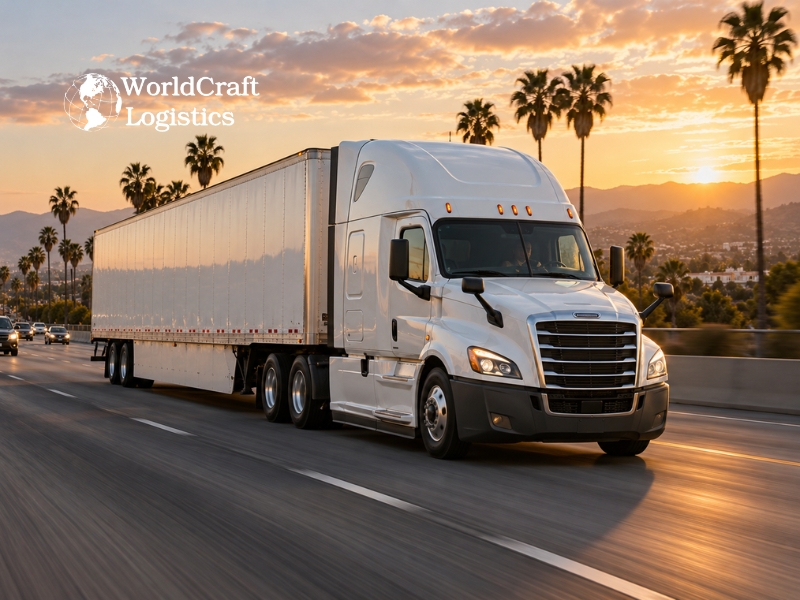
In logistics, full truckload means a shipment moves on a trailer reserved exclusively for one shipper. The shipper pays for the use of the whole truck rather than for the space the freight occupies, and the truck travels from the pickup point to the delivery point without moving the cargo to other vehicles or terminals. FTL applies to over the road trucking on trailers such as dry vans, refrigerated trailers and flatbeds, and it is often shortened to TL, for truckload.
FTL is one of the most common ways to move freight in the United States because it is simple: one pickup, one delivery and one carrier responsible for the load.
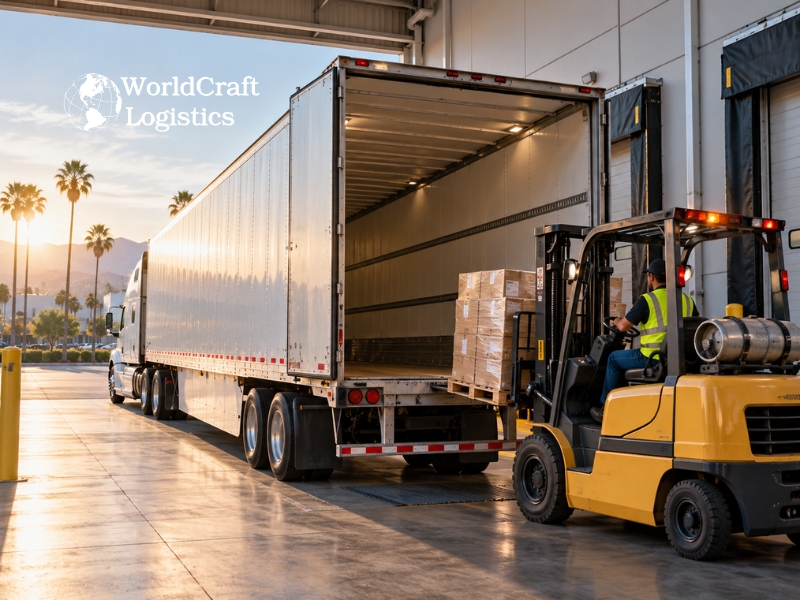
A common misunderstanding is that FTL requires you to fill every inch of the trailer. It does not. A shipment can be treated as a full truckload because it reaches the truck's weight limit before the space is used, because the cargo is bulky enough to occupy the trailer, or because the shipper chooses to reserve the whole truck for speed, security or handling reasons. In each case the shipper pays for the dedicated truck.
Term Meaning FTL or TL Full truckload. One shipper, one trailer, direct transit. LTL Less than truckload. Freight from several shippers shares one trailer and moves through terminals. Partial truckload (PTL) Shared trailer space for larger lots that do not need the whole truck, with fewer stops than LTL. FCL Full container load. The ocean freight equivalent, a whole container for one shipper. Dry van Enclosed trailer for palletized or boxed freight that does not need temperature control. Drayage A short haul move of a container between a port or rail ramp and a nearby warehouse or yard.
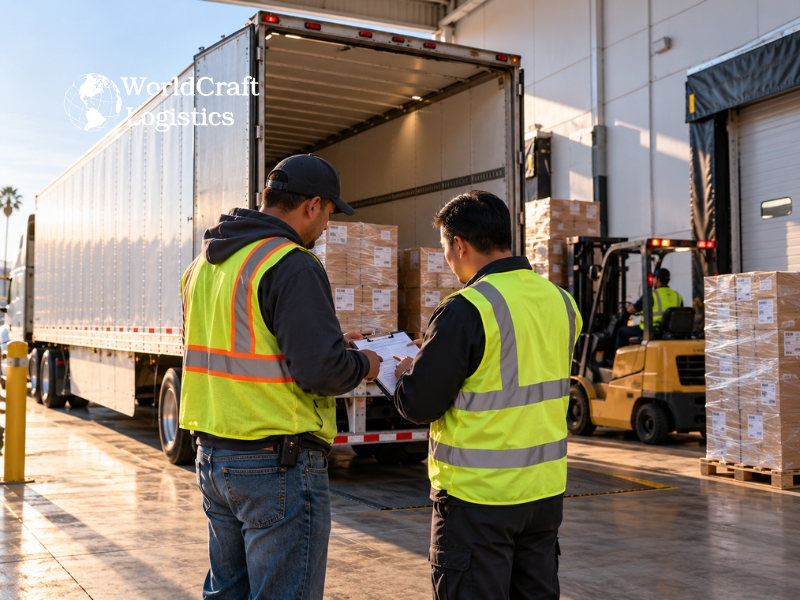
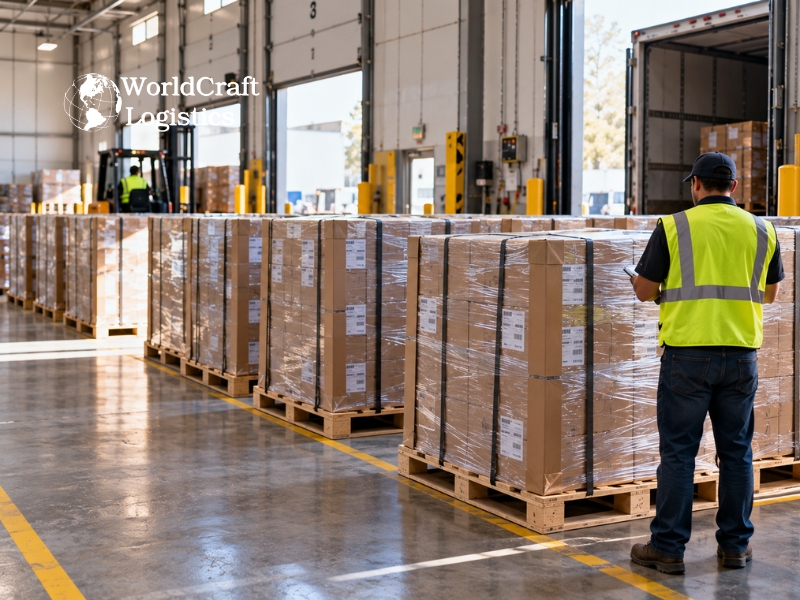
FTL is one of the more straightforward freight modes. A typical shipment follows these steps.
| Document | Purpose |
|---|---|
| Bill of lading (BOL) | Receipt for the goods, contract of carriage and record of contents, origin, destination and handling instructions. |
| Rate confirmation | Records the agreed rate and terms between the shipper or broker and the carrier. |
| Load tender | Formal offer of the load to the carrier with the shipment details. |
| Packing list | Itemized inventory used to verify contents at delivery. |
| Permits and certifications | Required for oversize, overweight or hazardous materials loads. |
| Insurance documents | Proof of coverage when a load needs additional protection. |
| Customs documents | Needed when the freight is part of an international move, such as a cross border trip to Mexico or Canada. |
| Proof of delivery (POD) | Signed confirmation that the receiver accepted the freight. |
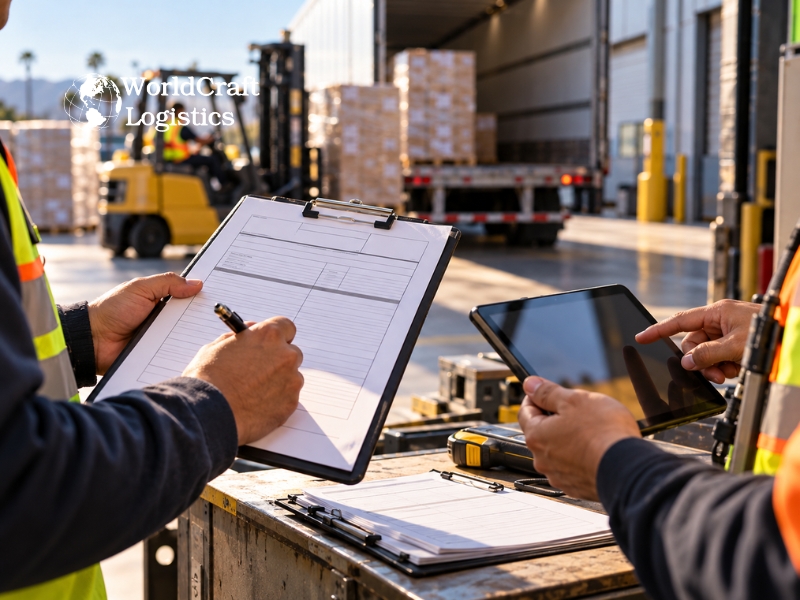
A standard 53 foot dry van holds about 24 to 30 standard pallets depending on pallet size and loading pattern, and 26 single stacked pallets is a common planning figure. Weight is the other limit. U.S. federal rules cap the gross vehicle weight of a standard five axle tractor and trailer at 80,000 lb, which leaves roughly 42,000 to 45,000 lb for cargo once the truck and trailer are accounted for. Dense freight can reach the weight limit before it fills the space, and light bulky freight can fill the space long before it reaches the weight limit.Item Typical figure Trailer length 48 ft or 53 ft Standard pallet positions About 24 to 30, commonly 26 Cargo weight Roughly 42,000 to 45,000 lb Gross vehicle weight limit 80,000 lb for a standard five axle combination
Exact capacity depends on the equipment, state rules, axle weights and how the freight is loaded, so confirm the figures for your lane with your carrier.
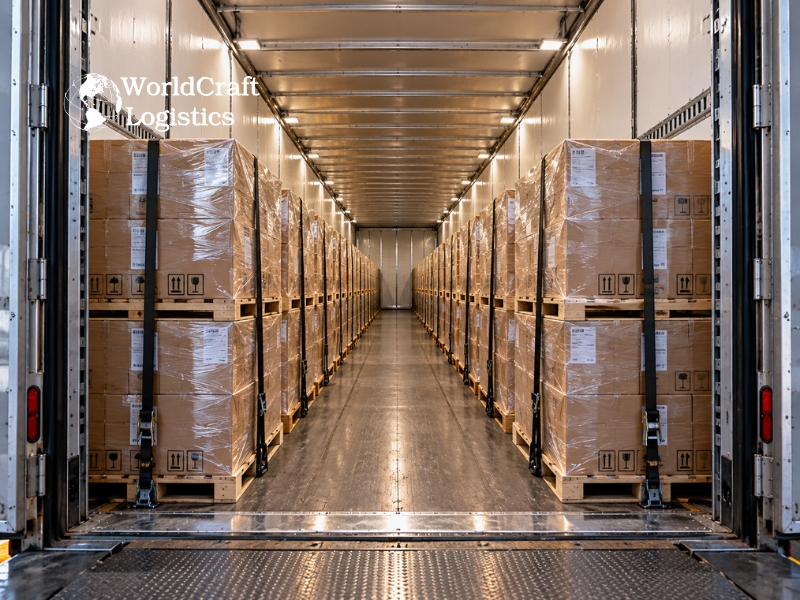
There is no single legal threshold, and providers draw the line in different places. Many industry sources point to around 10 pallets or about 15,000 lb as the point where truckload starts to compete with LTL on price, while Worldcraft's own rule of thumb is to start comparing FTL when you ship more than six pallets at a time. The right answer depends on the lane, the season and the freight, so in the range of roughly 6 to 12 pallets it is worth requesting both an FTL quote and an LTL quote. Choose FTL outright when the freight fills most of the trailer, is fragile or high value, or has a firm delivery date.
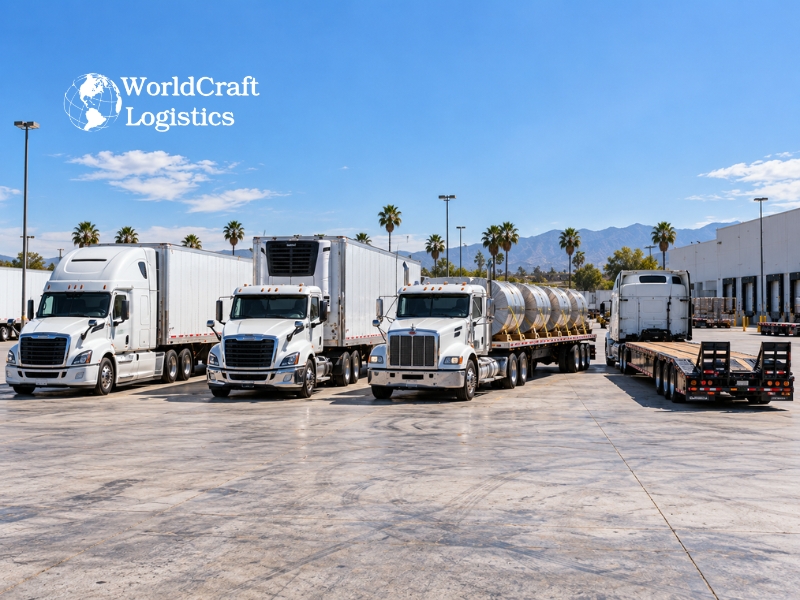
The right trailer depends on what you ship. These are the equipment types used most often for FTL.Equipment Best for Notes Dry van Palletized, boxed or loose freight that needs no temperature control Enclosed and the most common FTL trailer Refrigerated (reefer) Food, pharmaceuticals and other temperature sensitive freight Holds a set temperature; frozen and multi temperature options are available Flatbed Oversized or irregular freight, or loads that need side or top loading No walls or roof; freight is secured and covered as needed Step deck and drop deck Taller freight that would exceed height limits on a standard flatbed The lower deck gives extra clearance Conestoga Freight that needs flatbed access plus weather protection Rolling tarp system over a flatbed Power only Shippers who supply their own trailer The carrier provides the tractor and driver Heavy haul and over dimensional Machinery, project cargo and other oversize or overweight loads Usually needs permits and route planning
FTL is not always the right choice, and it helps to know the trade offs before you book.
Both modes have a place. FTL gives you a dedicated trailer. LTL combines freight from several shippers and charges based on the space and weight your freight uses.Factor FTL LTL Shipment size Fills most or all of a trailer A few pallets up to a partial trailer Pricing basis The whole truck, usually quoted per load or per mile Weight, dimensions, class and distance Transit Direct and typically faster Moves through terminals and is typically slower Handling Loaded once, unloaded once Handled several times Visibility One truck and one location signal Multiple scans across terminals Best for Large, fragile, high value or time sensitive freight Smaller lots with flexible timing
Partial truckload sits between the two. You share trailer space with other shippers, but the lot is large enough to avoid most of the terminal network. For a deeper look at cost, environmental impact, delivery time, warehousing and load frequency, read our guide to the differences between FTL and LTL shipping.
A quick way to decide: choose FTL if your freight fills most of a trailer, is sensitive, or has a firm schedule. Choose LTL for smaller lots with flexible dates. In between, compare quotes for both.
Retail, e-commerce, manufacturing, food and beverage, consumer packaged goods, pharmaceuticals, construction, automotive, electronics and paper and packaging all depend on truckload freight. They move large, regular volumes and need predictable handling.
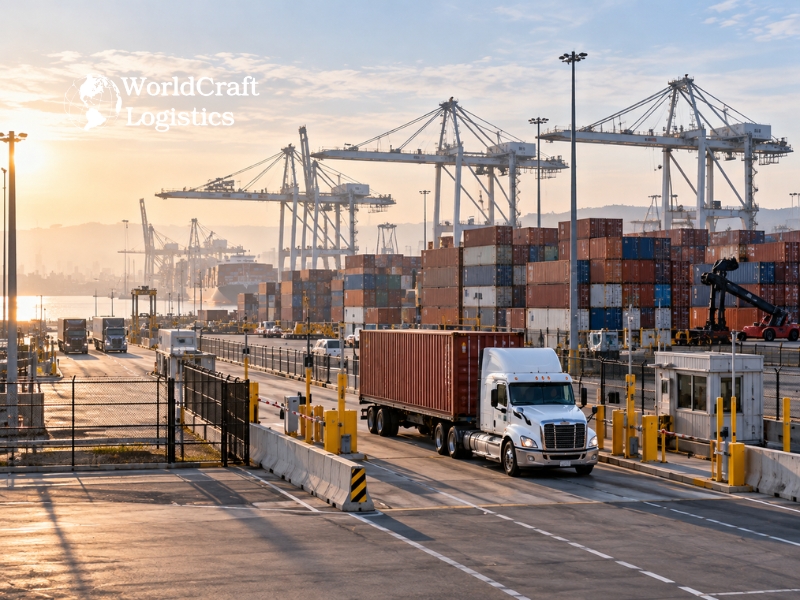
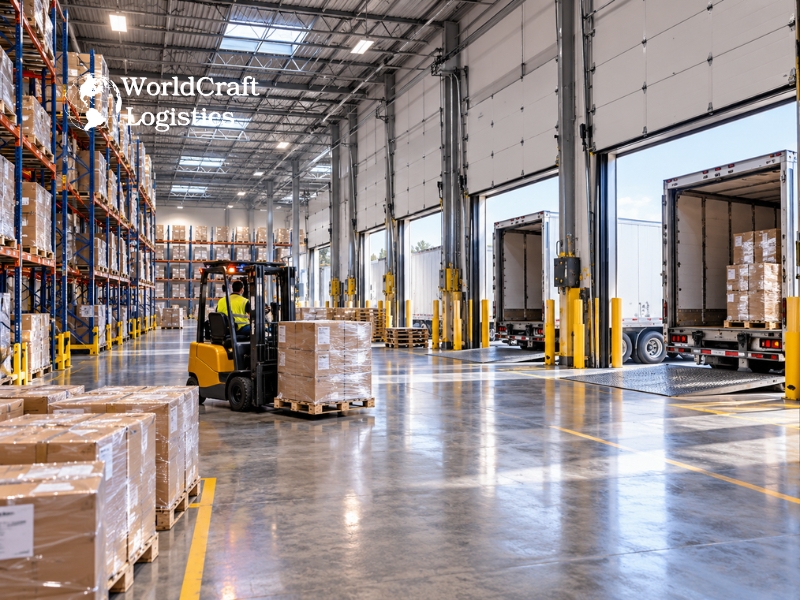
For importers, FTL often comes right after the ocean leg. A container arrives at the Port of Los Angeles, the Port of Long Beach or a Southern California rail ramp. It is drayed to a warehouse, where the cargo may be transloaded into 53 foot trailers, then moved by truckload to a distribution center, a retail customer or an Amazon FBA warehouse. Planning the truckload before the container lands keeps the whole move efficient.
Worldcraft's Cerritos warehouse sits close to the ports and supports transloading and cross-docking, while the Ontario warehouse serves the Inland Empire.
There is no flat price for FTL, because the rate is built for each lane and each load. The main factors are:
Rates also differ between spot pricing for a single load and contract pricing for a repeat lane. Because truckload rates change with the market, ask for a written quote for your exact lane and dates.
To estimate how many trucks your cargo needs, try Worldcraft's truck calculator, or send your details through our LTL rate request form if you want to compare modes.
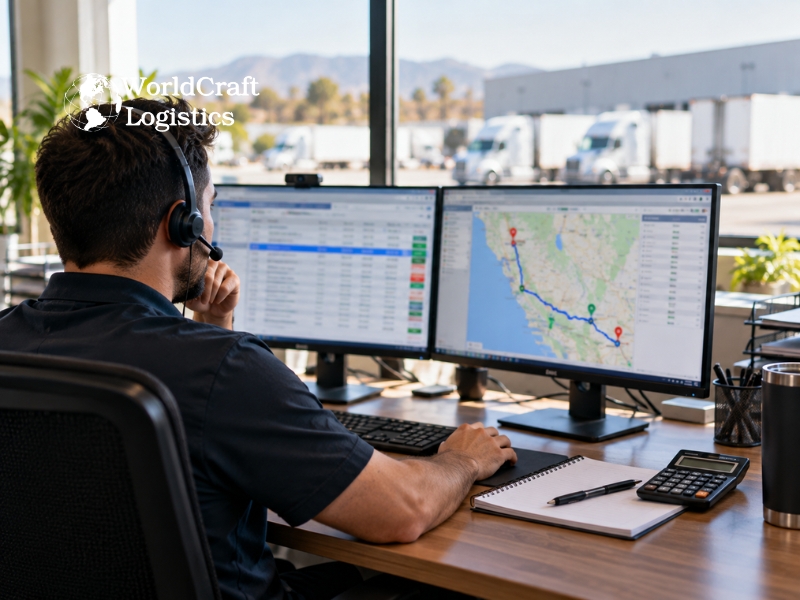
Worldcraft Logistics is a California-based 3PL and freight forwarder with warehouses in Ontario, Cerritos and Union City, and was named to the USPAACC Fast 50 Asian American Businesses list in 2022. Our land transport team arranges truckload freight for importers, exporters and forwarders who need dependable inland moves.
Our full truckload shipping services include:
Our dispatch team handles rate negotiation, carrier sourcing, check calls and claims support, and works through a network of partner trucking companies, including flatbed and step deck, so one point of contact covers the whole move. We operate around the Port of Los Angeles, the Port of Long Beach and California rail ramps, and connect those moves to our warehouses in Ontario, Cerritos and Union City. We also handle hazmat, overweight and oversize loads, food freight and Amazon FBA freight.
Ready to move a full truckload? Request a land transport booking and our team will get back to you within 24 business hours.
You can look up a carrier's registration and safety record on the FMCSA SAFER system before you book.
Full truckload shipping is a freight service in which one shipper reserves an entire trailer for a single shipment. The freight travels directly from pickup to delivery without being consolidated with other customers' cargo, which usually means faster transit, less handling and simpler tracking than shared modes such as LTL. FTL stands for full truckload. It describes a trucking service in which a shipment occupies a whole trailer, either because it is large enough to fill it or because the shipper chooses to reserve it. The term is often shortened to TL, and it is the counterpart of LTL, which means less than truckload. A standard 53 foot trailer typically carries about 24 to 30 pallets, with 26 single stacked pallets a common planning figure. The exact number depends on pallet size, stacking and loading pattern. Weight can limit the load first, so confirm dimensions and weight with your carrier. The federal gross vehicle weight limit for a standard five axle tractor and trailer is 80,000 lb, which leaves roughly 42,000 to 45,000 lb for cargo after the truck and trailer. Actual payload varies with equipment, axle weights and state rules, so check the limits for your lane. FTL dedicates an entire trailer to one shipper and moves freight directly to its destination. LTL combines freight from several shippers on one trailer and moves it through terminals, with pricing based on weight, dimensions and distance. FTL suits larger or more sensitive freight, while LTL suits smaller lots with flexible timing. Not always. FTL costs more per shipment, but it can cost less than LTL once a shipment is large enough, because you are no longer paying for several smaller shipments and extra handling. Compare quotes for both modes when you ship roughly 6 to 12 pallets. Usually, yes. A full truckload typically goes straight from origin to destination without terminal transfers, while LTL freight is consolidated, transferred and delivered across several stops. Fewer touches generally mean shorter and more predictable transit, though actual times depend on distance and routing. Cost depends on the lane, distance, weight, equipment type, fuel surcharge, market conditions, service level and additional services. Because rates change with the market, there is no single fixed price. Request a written quote for your exact pickup, delivery and dates to get a reliable figure. Yes. You can reserve a whole truck for a partial load when you want speed, security or fewer touches, but you will pay for the full trailer. If the freight is small and the schedule is flexible, LTL or partial truckload is usually more economical. FTL uses dry vans, refrigerated trailers, flatbeds, step decks, drop decks, Conestoga trailers and heavy haul equipment, depending on the cargo. Dry vans are the most common for palletized freight, reefers carry temperature sensitive goods, and flatbed type trailers carry oversized or irregular loads.FAQs About Full Truckload Shipping
What is full truckload shipping?
What does FTL stand for in shipping?
How many pallets are in a full truckload?
How much weight can a full truckload carry?
What is the difference between FTL and LTL?
Is FTL cheaper than LTL?
Is full truckload faster than LTL?
How much does full truckload shipping cost?
Can I use FTL for a shipment that does not fill the truck?
What types of trucks are used for FTL shipping?
Full truckload shipping gives you a dedicated trailer, direct transit and fewer touches, which makes it a strong choice for large, sensitive or time sensitive freight. Whether you are moving imports from the ports, restocking a distribution center or sending freight to an Amazon FBA warehouse, the right equipment and a clear quote make the move simple.
Start with our land transport page or contact our team, call +1 909-632-1643, email info@worldcraftlogistics.com, or visit us at 611 South Palmetto Avenue, Ontario, CA 91762.

SEO
Digital Marketing/SEO Specialist
Simon Mang is the SEO and Digital Marketing Specialist at Worldcraft Logistics, where he leads content strategy to promote the company's online presence. With years of experience in digital marketing and a strong understanding of the logistics industry, he has published more than 500 specialized articles across freight, warehousing, and supply chain topics. ( Reviewed for accuracy by the Worldcraft Logistics Operations Team ).