What Is LTL Freight Shipping? How It Works, Costs, and When to Use It
LTL freight shipping is a transportation method that allows businesses to ship smaller freight loads without paying for an entire truck. Instead of dedicating a trailer to one shipment, a carrier combines freight from multiple shippers and transports it through a shared network.
For manufacturers, distributors, importers, and other businesses shipping goods across the United States, less-than-truckload (LTL) shipping can provide a practical way to move palletized freight while managing transportation costs. However, the right choice depends on more than shipment size. Freight classification, delivery requirements, handling needs, transit time, and shipment information accuracy all affect the outcome.
This guide explains what LTL freight shipping means, how the process works, what determines shipping costs, and how to decide whether LTL fits your transportation plan.Key Takeaways
What Is LTL Freight Shipping?
LTL freight shipping is a transportation service in which a carrier combines shipments from multiple businesses in the same trailer. Each shipment occupies only part of the available capacity, allowing the carrier to distribute transportation costs across several customers.
LTL stands for less-than-truckload, meaning a shipment does not require the full capacity of a truck.
For example, a manufacturer shipping four pallets of finished products to a distributor may not need an entire trailer. An LTL carrier can transport those pallets alongside compatible shipments from other businesses moving through the same freight network.
Instead of paying for exclusive use of a truck, the shipper pays a rate based on the shipment's characteristics and the applicable transportation charges.

1. What Qualifies as an LTL Shipment?
LTL is generally appropriate for freight that can be transported as a smaller portion of a trailer rather than as a dedicated truckload.
Common examples include:
Pallets of manufactured products.
Cartons of commercial inventory.
Replacement parts and industrial supplies.
Retail replenishment shipments.
Furniture, fixtures, and other packaged goods.
Inventory transfers between warehouses or distribution centers.
There is no single pallet count or weight threshold that universally determines whether a shipment qualifies as LTL. Carrier service limits and pricing rules vary, so businesses should evaluate the actual shipment and compare available options.
LTL is particularly relevant when a business ships smaller quantities regularly, replenishes inventory in batches, or needs to move goods between facilities without waiting to accumulate a full truckload.
2. LTL vs. FTL vs. Parcel Shipping
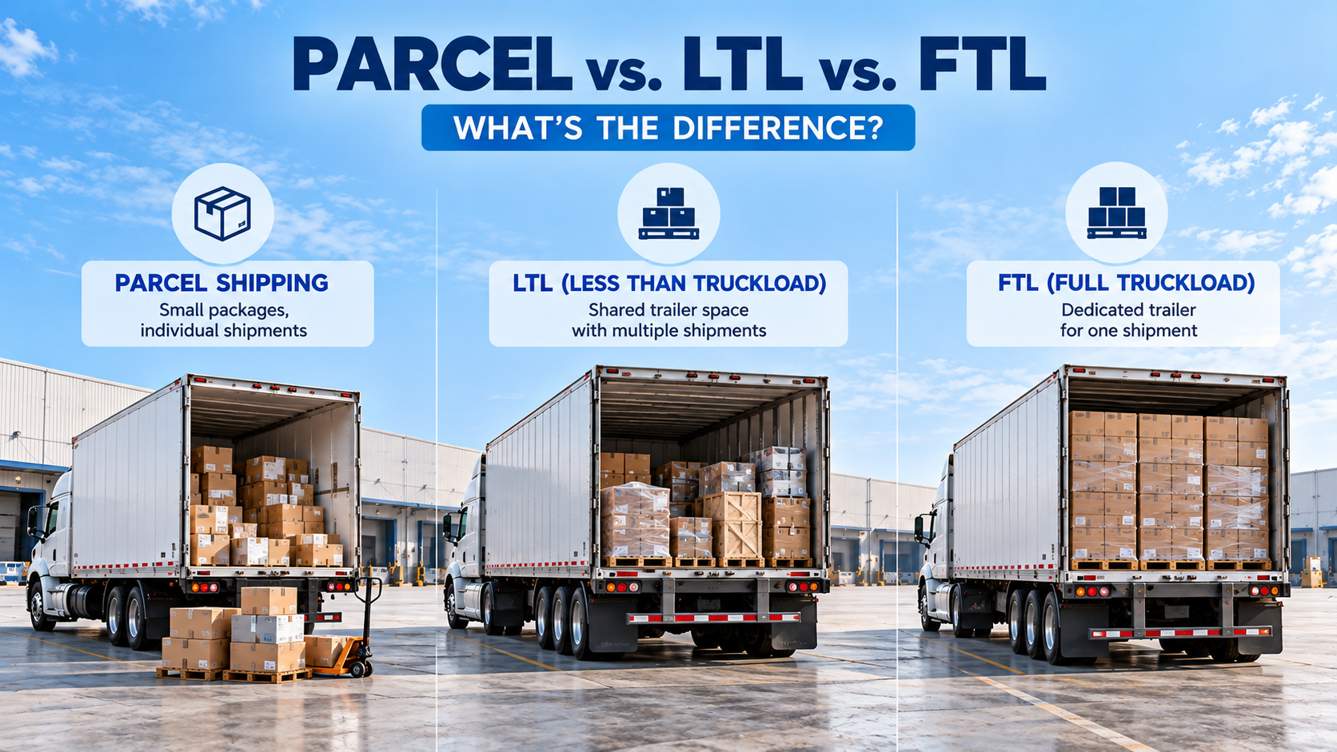
LTL is one of several transportation options available to businesses. Understanding how it differs from parcel and full truckload shipping helps prevent choosing a service based on price alone.Factor Parcel LTL FTL Typical shipment Individual packages Smaller freight loads, often palletized Freight using a dedicated truck Trailer capacity Not generally priced as trailer space Shared among multiple shippers Reserved for one shipper's load Pricing considerations Package weight, dimensions, service, and applicable surcharges Weight, dimensions, freight class, route, and accessorials Lane, equipment, load requirements, and market conditions Handling Package distribution network Freight terminals and shared transportation network Typically direct transportation without LTL terminal transfers Best fit Suitable individual packages Smaller commercial freight shipments Larger, time-sensitive, or specialized loads
The best option depends on the shipment's complete requirements. A load that looks inexpensive under one pricing model may be less economical after additional services, handling requirements, and delivery constraints are considered.
For a deeper comparison, read WorldCraft Logistics' guide to full truckload (FTL) shipping.
How Does LTL Freight Shipping Work?
LTL shipments move through a coordinated transportation network. Unlike a typical dedicated truckload movement, an LTL shipment may pass through multiple terminals before reaching its destination.
Understanding each stage helps businesses plan pickup schedules, prepare documentation, and communicate realistic delivery expectations.
Step 1: Prepare Shipment Information and Request a Quote
The process begins with gathering accurate shipment details.
A carrier or logistics provider typically needs:
Pickup and delivery addresses, including ZIP codes.
Commodity description.
Number of pallets or handling units.
Total shipment weight.
Dimensions of each handling unit.
Applicable freight classification information.
Pickup date and requested delivery timing.
Special handling or delivery requirements.
These details allow the provider to evaluate the shipment, identify suitable services, and prepare a more reliable quote.
Incomplete information can create problems later. For example, a shipment quoted using estimated dimensions may require a rate adjustment if the actual freight occupies more space than originally declared.
Step 2: Confirm Freight Classification and Service Requirements
Before booking, the shipper should verify the applicable freight classification and identify any special requirements.
In the United States, the National Motor Freight Classification (NMFC) system is widely used for LTL freight classification. Depending on the commodity and applicable rules, classification may consider density, handling, stowability, and liability.
The shipper should also confirm whether the pickup or delivery location requires additional services, such as a liftgate, appointment scheduling, or access to a restricted facility.
Resolving these details before dispatch helps reduce avoidable service changes and unexpected charges.
Step 3: Schedule Pickup and Prepare the Freight
Once the shipment is booked, the shipper prepares the freight for collection.
Depending on the shipment, this may involve palletizing products, securing cartons, applying labels, preparing the bill of lading (BOL), and making the freight accessible to the pickup vehicle.
The shipment must be ready within the agreed pickup window. Delays caused by incomplete orders, missing documentation, or inaccessible freight can disrupt the transportation schedule.
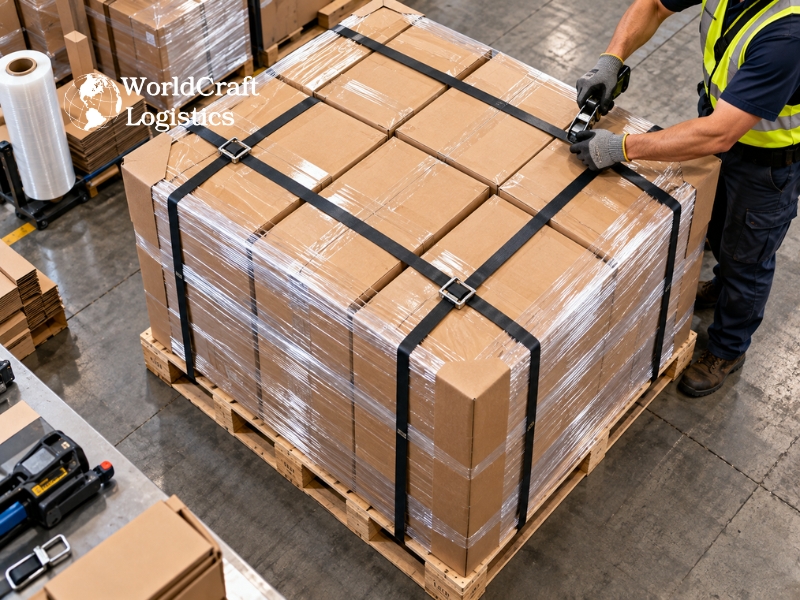
Packaging should protect the goods during normal handling and transportation. Since LTL freight may be transferred between vehicles or moved through terminals, packaging and load stability are particularly important.
Step 4: Move the Shipment Through the LTL Network
After pickup, the freight typically enters the carrier's transportation network.
A common LTL movement includes:
Pickup from the shipper.
Transportation to an origin terminal or service center.
Sorting and consolidation with compatible freight.
Linehaul transportation toward the destination region.
Transfer through a destination or intermediate terminal, when required.
Final delivery to the consignee.
The exact route depends on the carrier's network and the shipment's origin and destination.
This shared-network model allows carriers to use trailer capacity across multiple shipments. However, additional terminal handling and scheduled connections can make LTL transit times less predictable than a direct truckload movement.
Step 5: Track the Shipment and Coordinate Delivery
Shipment visibility helps businesses monitor progress and prepare receiving operations.
Depending on the provider and carrier, tracking information may include pickup confirmation, terminal scans, transit updates, estimated delivery dates, and proof of delivery.
Businesses should also coordinate delivery requirements with the receiving facility. A warehouse with limited receiving hours, appointment requirements, or restricted truck access may need additional planning.
WorldCraft Logistics can help businesses coordinate transportation requirements as part of a broader U.S. logistics plan, particularly when freight movement needs to align with warehouse receiving, inventory availability, or onward distribution.
Step 6: Confirm Delivery and Review the Final Invoice
After delivery, the consignee should inspect the shipment and document any visible damage or discrepancies according to the applicable procedures.
The shipper should retain relevant transportation documents, including the BOL, delivery records, and supporting shipment information.
It is also useful to compare the final invoice against the original quote. If the amount differs, review the shipment measurements, classification, declared services, and any adjustments made by the carrier.
This final review can reveal recurring problems that should be corrected before future shipments.

How Much Does LTL Shipping Cost?
There is no universal price for LTL freight shipping. Rates depend on the shipment, transportation lane, carrier, service requirements, and applicable pricing rules.
The most reliable approach is to request a quote using complete and accurate shipment information.
1. Weight, Dimensions, and Freight Density
Shipment weight and dimensions influence how much trailer capacity the freight uses.
Density expresses how much a shipment weighs relative to the space it occupies. A compact, heavy shipment and a large, lightweight shipment can create different transportation challenges even when their actual weights are similar.
For a rectangular handling unit, density can be calculated using the following formula: Divide the shipment's weight in pounds by its total volume in cubic feet to calculate freight density.
To calculate volume in cubic feet, multiply the length, width, and height in inches, then divide by 1,728.
For example, a pallet measuring 48 × 40 × 48 inches occupies approximately 53.33 cubic feet. If its total weight is 800 pounds, its density is approximately 15 pounds per cubic foot.
This calculation illustrates density only. It does not independently determine the shipment's final freight class or rate.
2. Freight Class and NMFC Classification
Freight class is an important part of many LTL pricing arrangements.
The NMFC system provides standardized commodity classifications used by the industry. Freight classes range from Class 50 through Class 500, with the appropriate classification depending on the applicable commodity rules and transportation characteristics.
Incorrect classification or an inaccurate commodity description may result in reclassification, additional charges, or delays while the shipment is reviewed.
Businesses should verify the current NMFC item number and applicable classification rather than assuming that a class used for an earlier shipment remains correct.
3. Origin, Destination, and Transportation Lane
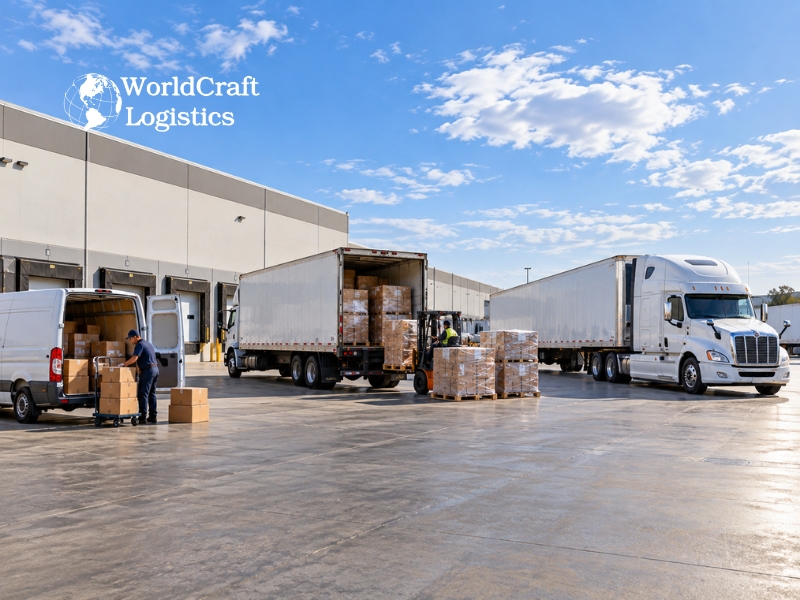
The pickup and delivery locations influence routing, service availability, and pricing.
A shipment moving between major freight hubs may have different service options from one traveling to a location with limited carrier coverage.
The carrier's network, distance, freight demand, and the characteristics of the route can all affect the quote. For this reason, two shipments with similar weights and dimensions may receive different rates when their origins or destinations differ.
4. Accessorial Services and Delivery Requirements
The base transportation rate may not cover every service a shipment requires.
Depending on the carrier and location, additional charges may apply for services such as:
Liftgate pickup or delivery.
Residential or limited-access delivery.
Inside delivery.
Appointment scheduling.
Limited receiving hours or special delivery arrangements.
Additional handling or other specialized services.
Not every shipment requires these services. However, failing to disclose a requirement during quoting may lead to additional charges or service complications.
Businesses should confirm which services are included in the quote and which are billed separately.
5. Reweighing, Reclassification, and Invoice Adjustments
The final charge can differ from the original quote if the carrier identifies discrepancies between the declared shipment and the freight actually tendered.
Examples include incorrect dimensions, a weight discrepancy, a different commodity description, or an undeclared delivery service.
These adjustments are not necessarily evidence of an incorrect carrier quote. They may reflect differences between the original information and the actual shipment.
The best prevention is a consistent process for measuring, documenting, classifying, and preparing freight before pickup.
For a broader explanation of freight pricing, see WorldCraft Logistics' guide to shipping freight rates.
What Is Freight Class, and Why Does It Matter for LTL?
Freight class helps standardize how different commodities are classified for LTL transportation. It can influence pricing and how freight is handled within the carrier network.
The NMFC system evaluates transportation characteristics rather than relying on weight alone.
1. The Four Key Classification Factors
Density: How much the freight weighs relative to the space it occupies.
Handling: How difficult the freight is to move, load, unload, or process safely.
Stowability: How easily the freight can be positioned alongside other shipments within a trailer.
Liability: The potential for the freight to be damaged, to damage other goods, or to present other transportation-related risks.
These factors help explain why freight with similar dimensions or weights may not necessarily receive the same classification.
2. What Shippers Need to Know About NMFC Updates

A major set of NMFC changes took effect on July 19, 2025. The changes were intended to modernize and simplify freight classification, including moving certain commodities toward more standardized density-based classification.
For shippers, the practical lesson is that historical classification data should not be treated as permanently valid.
Before booking an LTL shipment, businesses should verify the current rules for the specific commodity and consult official NMFTA resources where necessary.
NMFTA has also continued its classification review process in 2026. Its published update schedule identifies a Supplement 2026-2 effective date of December 12, 2026, followed by the 2027 NMFC Book effective date of January 24, 2027. These future effective dates should not be confused with rules already in force.
For current information, consult the NMFTA's official NMFC resources and its shipper guidance on the 2025 NMFC changes.
How to Verify Classification Before Shipping
A practical verification process includes:
Identify the actual commodity being shipped.
Confirm the applicable NMFC item number and current classification rules.
Measure the packaged freight accurately.
Document the shipment's weight, dimensions, packaging, and relevant handling characteristics.
Resolve classification questions before tendering the shipment.
If a shipment contains multiple commodities, do not assume that one classification automatically applies to every item. Confirm the appropriate treatment under the applicable classification rules.
Accurate classification helps businesses improve quote reliability and reduce avoidable disputes over shipment information.
When Should You Use LTL Shipping?
LTL can be a suitable choice when a shipment requires freight transportation but does not justify reserving an entire truck.
However, the best decision depends on the relationship between shipment size, delivery timing, handling requirements, and total transportation cost.
1. When LTL Is a Good Fit
Consider LTL when:
Your shipment occupies only part of a trailer. Paying for shared capacity may be more practical than reserving a dedicated truck.
Your delivery schedule allows for network transit. LTL is generally better suited to shipments that can accommodate terminal handling and scheduled connections.
Your products can be packaged for freight handling. Properly prepared palletized goods are often easier to move through an LTL network.
You ship smaller quantities regularly. LTL can support replenishment and inventory transfers without requiring businesses to accumulate a full truckload.
Your distribution plan benefits from flexible shipment sizes. Smaller shipments can help businesses match transportation to actual demand.
2. When Should You Consider Alternatives?
LTL may not be the best choice when a shipment has a strict delivery deadline, requires a dedicated vehicle, presents unusual handling challenges, or occupies enough capacity that a different service becomes more economical.
For example, a manufacturer moving a large quantity of products to one distribution center may benefit from comparing LTL with FTL. A business shipping individual small packages may find parcel services more suitable.
A useful rule is to compare options when shipment size, timing, or handling requirements make the choice uncertain. There is no single pallet count that determines the best mode for every route.
What Are the Benefits and Limitations of LTL Shipping?
LTL offers flexibility, but those advantages must be evaluated alongside the operating requirements of a shared freight network.
1. Benefits of LTL Freight
- Shared transportation capacity. Multiple shippers use the same trailer, allowing businesses to move smaller shipments without reserving a full truck.
- Flexible shipment sizes. Businesses can ship quantities that match replenishment schedules and customer demand instead of waiting until a full trailer is needed.
- Access to established freight networks. LTL carriers connect many origin and destination markets through their terminal and linehaul systems.
- Potentially more efficient use of capacity. Combining compatible shipments can reduce the need for separate vehicles to carry individual small loads. The environmental benefit depends on actual routing, utilization, and the alternative transportation method.
2. Limitations to Consider
- Transit time can vary. Terminal connections, scheduled departures, and delivery appointments affect the time required to complete a shipment.
- Freight may undergo additional handling. Transfers through terminals create more handling events than a typical direct truckload movement, making suitable packaging and load protection important.
- Pricing requires accurate shipment data. Weight, dimensions, classification, and accessorial requirements must be declared correctly.
- Delivery constraints can complicate service. Residential locations, restricted-access facilities, and receiving requirements may require additional coordination.
Businesses should compare the complete service and cost implications instead of assuming that LTL is always the cheapest or fastest option.
How to Prepare an LTL Shipment: A Practical Checklist
Before scheduling pickup, review the following checklist.
1. Confirm Shipment Details
Verify the total number of pallets and handling units.
Measure the complete packaged dimensions.
Confirm actual shipment weight.
Provide an accurate commodity description.
Verify the applicable freight classification.
Confirm pickup and delivery addresses.
2. Prepare Packaging and Labels
Use packaging appropriate for the product and expected handling conditions.
Ensure pallets are stable and suitable for transportation.
Secure cartons and goods to minimize shifting.
Apply clear shipment identification labels.
Identify any special handling requirements.
Cargo securement on applicable interstate commercial motor vehicles is addressed by the Federal Motor Carrier Safety Administration's cargo securement rules. These requirements govern cargo securement in transportation; shippers should also follow the applicable packaging, carrier, and commodity-specific requirements for their freight.
3. Confirm Delivery Requirements and Documentation
Prepare the bill of lading and supporting shipment information.
Confirm appointment requirements and receiving hours.
Determine whether a liftgate or other accessorial service is needed.
Make sure the freight is ready within the scheduled pickup window.
Retain shipment records and delivery documentation.
For more detailed preparation guidance, read WorldCraft Logistics' article on packaging and preparing items for LTL transport.
How to Optimize LTL Shipping in Your Supply Chain
A reliable LTL strategy starts before a carrier arrives. Businesses can improve cost control and service consistency by standardizing shipment data, coordinating warehouse operations, and reviewing transportation performance.
1. Consolidate Compatible Shipments When Practical
If several shipments are moving to the same destination or nearby locations, consider whether combining them could improve transportation efficiency.
Consolidation is not automatically beneficial. Delaying a shipment to combine it with another may create inventory shortages or miss a delivery commitment. Compare the potential transportation savings with the cost of waiting and any additional handling required.
2. Standardize Shipment Data
Use consistent procedures to capture dimensions, weight, commodity descriptions, and packaging information.
Where practical, maintain verified product and pallet specifications so teams can prepare quotes using reliable data. Update records whenever packaging or product configurations change.
3. Compare Total Transportation Cost
A low initial quote does not necessarily represent the lowest final cost.
Compare the base rate, included services, expected delivery timing, additional charges, and the operational consequences of a delay. This approach makes it easier to evaluate quotes on a consistent basis.
4. Coordinate Warehousing and Transportation
Freight transportation does not operate independently of inventory and warehouse processes.
A shipment may need to be received, staged, consolidated, or prepared for onward distribution before the carrier can collect it. Coordinating these activities can help businesses reduce avoidable waiting and improve shipment readiness.
For businesses moving freight through the United States, WorldCraft Logistics supports transportation and warehousing coordination as part of a broader logistics operation. The appropriate arrangement depends on the shipment, location, and service requirements.
5. Track Performance Over Time
Review transportation costs, invoice adjustments, pickup reliability, delivery performance, and damage incidents.
Patterns in these records can reveal recurring issues, such as inaccurate dimensions, unsuitable packaging, or delivery requirements that were not communicated during booking.
Addressing the underlying causes is often more useful than treating every shipment problem as an isolated event.
Frequently Asked Questions About LTL Freight Shipping
1. What Does LTL Mean in Shipping?
LTL means less-than-truckload. It describes freight transportation in which multiple shippers share trailer capacity rather than each reserving an entire truck for their shipment.
2. How Does LTL Freight Shipping Work?
An LTL shipment is collected, processed through the carrier's freight network, transported alongside compatible shipments, and delivered to its destination. Depending on the route, it may pass through several terminals before final delivery.
3. Is LTL Cheaper Than FTL?
LTL can be more economical for smaller shipments because the shipper pays for a portion of the trailer's capacity. However, FTL may become more competitive for larger loads or when delivery timing, handling, and other requirements favor a dedicated truck. Compare quotes for the actual shipment and route.
4. How Long Does LTL Shipping Take?
Transit time depends on the origin, destination, carrier network, scheduled departures, terminal transfers, and delivery requirements. Request a transit estimate for the specific route rather than relying on a universal delivery timeframe.
5. How Is LTL Freight Class Determined?
Freight class is determined under the applicable NMFC classification rules. Relevant factors can include density, handling, stowability, and liability. Shippers should verify the current commodity classification and provide accurate shipment measurements.
6. What Information Is Needed for an LTL Freight Quote?
Most quotes require origin and destination addresses, pickup timing, commodity description, shipment weight, dimensions, handling-unit count, applicable freight classification, and any special pickup or delivery requirements.
7. Can LTL Freight Be Delivered to a Residential or Limited-Access Location?
Depending on carrier coverage and service availability, delivery may be possible with additional requirements or charges. Confirm access, equipment, appointment, and unloading needs before booking.
8. How Can I Reduce Unexpected LTL Charges?
Provide accurate shipment measurements and commodity details, verify freight classification, disclose accessorial requirements, prepare complete documentation, and review the final invoice against the original quote.
Final Thoughts: Choosing the Right LTL Shipping Strategy
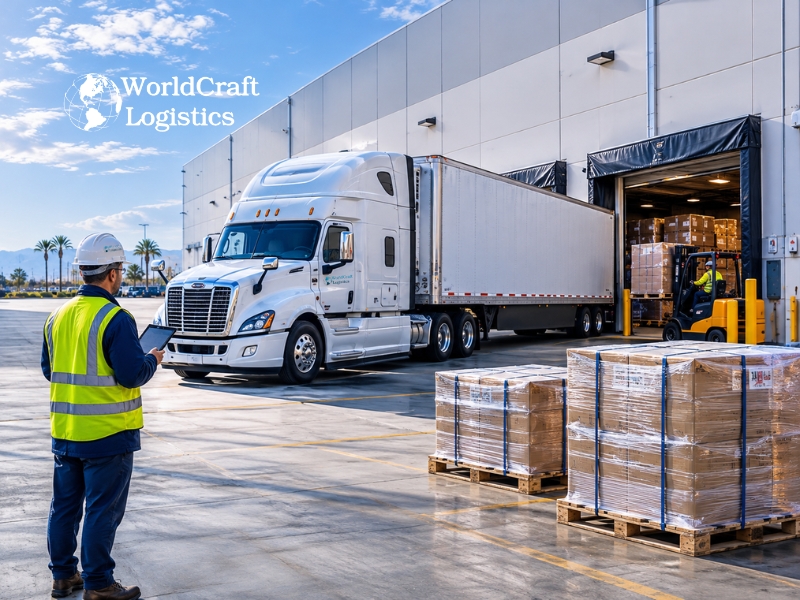
LTL freight shipping gives businesses a way to move smaller freight loads through a shared transportation network without reserving an entire truck. It can support flexible replenishment, inventory transfers, and distribution operations when shipment size and delivery requirements align with the service.
The key is to evaluate the complete shipment rather than focusing only on pallet count or the initial rate. Accurate measurements, appropriate classification, suitable packaging, realistic transit expectations, and clear delivery instructions all contribute to a more reliable transportation process.
If you need help evaluating transportation options for freight moving within the United States, contact WorldCraft Logistics to discuss your shipment and request a freight quote. Sharing your origin, destination, shipment dimensions, weight, commodity details, and delivery requirements will help the team assess suitable options for your needs.