
Education
How to Package and Prepare Items for Less-Than-Truckload (LTL) Shipping
Learn how to package and prepare LTL freight with accurate dimensions, proper documentation and labeling to protect goods, control costs and avoid delays.

Learn logistics terms and shipping basics with our education series. Clear explanations for importers, sellers and anyone new to logistics.
189 articles
Learn how to package and prepare LTL freight with accurate dimensions, proper documentation and labeling to protect goods, control costs and avoid delays.
Struggling to decide between FCL and LCL shipping for your international trade needs? Our latest article breaks down the differences between Full Container Load and Less Container Load shipping methods, helping you make the best choice based on your cargo's volume, weight, and quantity. Discover the pros and cons of each option, waiting periods, and various container types to maximize efficiency in your shipping process
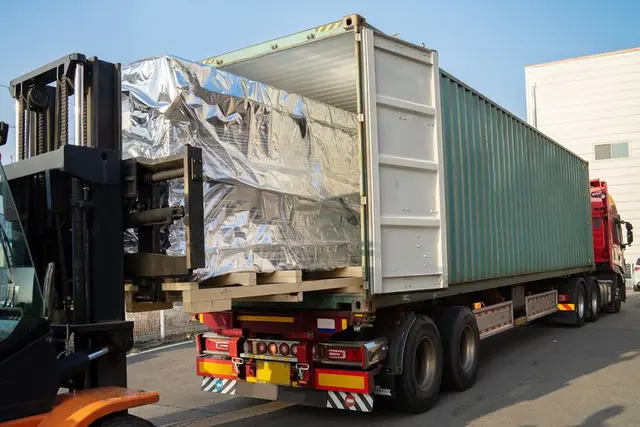
Did you know there are cost-effective ways to ship bulky and heavy goods? Learn how LTL shipping, comparing carriers, and smart packaging can save you money on your next big shipment!
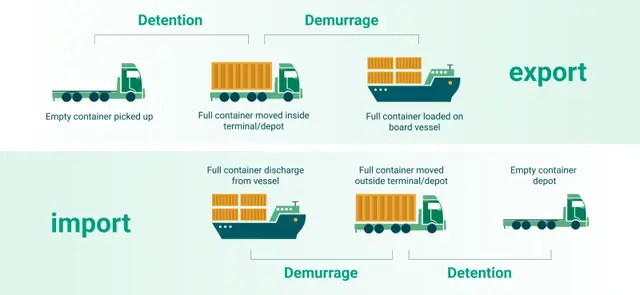
Curious about the differences between demurrage and detention in shipping, and how to avoid extra charges? Demurrage fees apply when you fail to pick up a full container from the port within the free days, while detention fees apply when the container isn't returned within the allotted free time. Proper planning and knowing the free days at your port can save you money!

The Bill of Lading (B/L) is crucial in ocean freight, containing information about the shipper, consignee, cargo, and ports. It includes terms like CY (Container Yard) and CFS (Container Freight Station), which are essential for understanding shipment types. CY is used for full container load (FCL) shipments, while CFS is for less than container load (LCL) shipments. Shipments can be CY/CY, CFS/CFS, CFS/CY, or CY/CFS, depending on the origin and destination. All deliveries are port-to-port, with the shipper or consignee responsible for cargo arrangements. In consolidation services, a CY/CY B/L is issued to the freight forwarder, who provides a House B/L to the shipper.
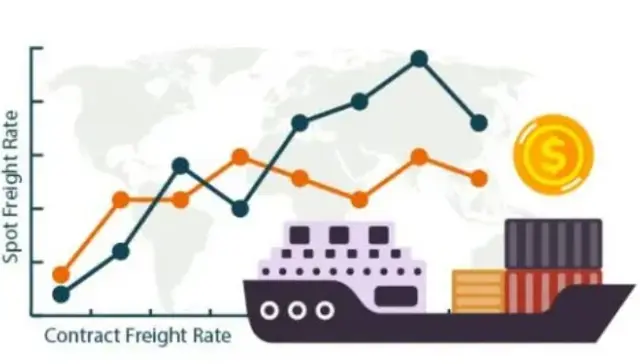
Compare spot and contract ocean freight rates, including pricing, flexibility, rate stability and shipping commitments. Learn which option fits your shipping needs.
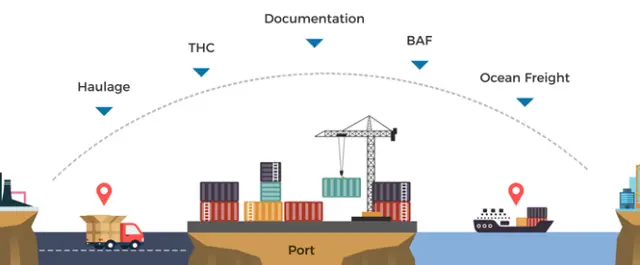
Freight costs are detailed in a freight quotation and include five components: origin haulage, origin charges, freight charges, destination charges, and destination haulage. Haulage involves moving goods between inland points and ports. Freight rates depend on various factors, such as cargo type and distance. Additional fees, like bunker adjustment factor (BAF) and currency adjustment factor (CAF), may apply. Origin charges cover customs and handling, while destination charges involve entry filing and handling. Understanding the freight quote helps avoid unexpected charges.
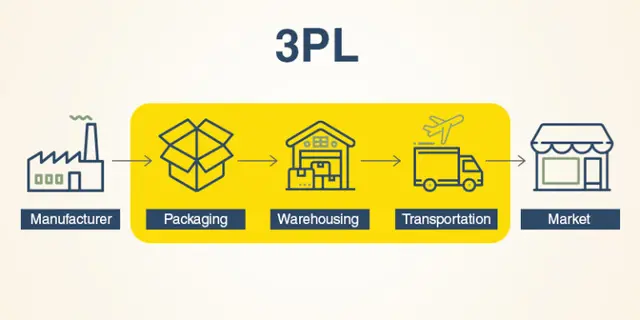
Third-party logistics refers to the outsourcing of logistics and supply chain management functions to a specialized company. In this article, we will explore what 3PLs are and how they work. 3PLs can operate on a local, national, or global level, and they serve a variety of industries. Third-party logistics (3PLs) are experts in logistics and supply chain management. 3PLs can handle fluctuations in demand, seasonal spikes, and sudden changes in supply chain requirements. By leveraging the expertise of a 3PL, companies can focus on their core competencies and leave logistics to the experts.