Blogs/hot-news
05/11/2025
The cold chain logistics outsourcing sector is undergoing a significant transformation, driven by the rising global demand for temperature-sensitive products, rapid technological advancements, and increased regulatory scrutiny. According to recent market analysis, the industry is projected to expand from USD 4.5 billion in 2024 to approximately USD 7.0 billion by 2032, reflecting a robust compound annual growth rate (CAGR) of 10% over the forecast period.
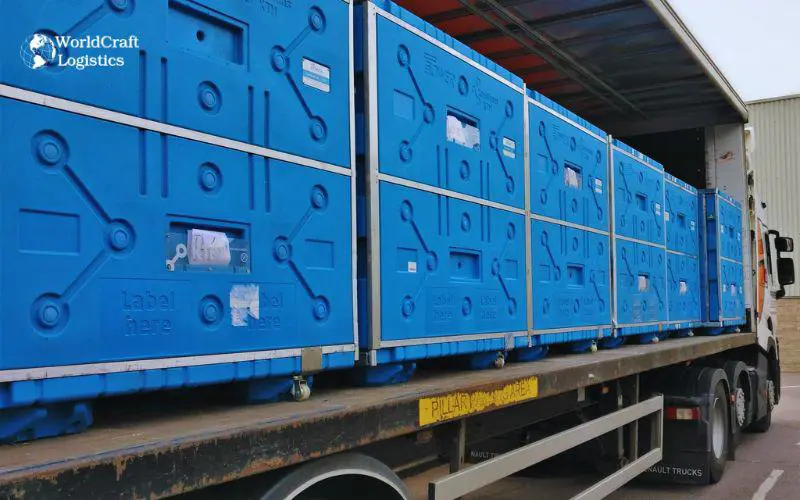
As international trade and e-commerce continue to boom, more companies are opting to outsource their cold chain logistics operations to specialized providers. These providers offer advanced temperature-controlled transportation, refrigerated warehousing, and end-to-end cold chain management services tailored for highly sensitive sectors such as pharmaceuticals, biotechnology, and perishable food distribution.
Recommended original reference:
The market is broadly segmented based on Type, Application, and Geography:
Types:
Temperature-Controlled Logistics
Refrigerated Warehousing
Cold Chain Transportation
Applications:
Pharmaceutical Logistics
Food Logistics
Biotech Logistics
Regional Coverage:
North America: USA, Canada, Mexico
Europe: UK, Germany, France, Italy, Nordics, Russia, and others
Asia-Pacific: China, India, Japan, South Korea, Southeast Asia
Oceania: Australia, New Zealand
Middle East & Africa: UAE, Saudi Arabia, South Africa, and more
Latin America: Brazil, Argentina, Chile
The global cold chain logistics outsourcing landscape features several prominent players who are expanding their global footprint through mergers, acquisitions, and innovation. Notable names in the sector include AmeriCold Logistics, Lineage Logistics, AGRO Merchants, Nichirei Logistics, VersaCold, and United States Cold Storage, among others.
These companies are focusing on improving service efficiency, integrating IoT-enabled real-time monitoring systems, and investing in sustainable cold storage infrastructure.
Rising global demand for fresh and frozen food products
Increased global pharmaceutical exports requiring strict temperature compliance
Expanding e-commerce penetration in cold chain-reliant sectors
High capital and operational costs for maintaining cold infrastructure
Navigating complex international regulatory standards
Risk management for product spoilage and supply chain delays
Europe currently dominates the global market, supported by stringent food safety regulations and strong logistics infrastructure.
Asia-Pacific is projected to be the fastest-growing region, thanks to the rapid expansion of pharmaceutical manufacturing and online grocery delivery services across China, India, and Southeast Asia.
To provide a deeper understanding of market dynamics, industry analysts have applied PESTLE and Porter's Five Forces analysis:
Political: Trade agreements and regulatory policies play a significant role in logistics decision-making.
Economic: Inflation, exchange rates, and labor costs are impacting service pricing.
Social: Changing consumer preferences toward fresh, ready-to-eat, and organic food drive refrigerated transport demand.
Technological: IoT, AI, and blockchain are redefining temperature monitoring and traceability.
Legal: Compliance with FDA, GDP (Good Distribution Practice), and other regional standards is essential.
Environmental: Green logistics and reducing carbon footprints are becoming competitive differentiators.
The cold chain logistics outsourcing market is on a trajectory of rapid transformation. With growing complexity in global supply chains, businesses are increasingly turning to third-party logistics (3PL) providers with deep domain expertise and the ability to deliver scalable, tech-driven cold chain solutions. The rise in demand for biologics, temperature-sensitive vaccines, and frozen food across international markets will continue to fuel outsourcing opportunities through 2032.
At WorldCraft Logistics, we recognize the strategic importance of outsourcing cold chain logistics to meet evolving demands in the global marketplace. The trend toward third-party partnerships enables businesses to focus on core operations while ensuring compliance, safety, and efficiency in handling sensitive products. However, we advise clients to carefully evaluate partners based on experience, technological capabilities, and regional reach to mitigate risks associated with temperature excursions, regulatory breaches, or transit delays.
Outsourcing, when aligned with robust quality control protocols and a reliable partner network, can significantly enhance supply chain performance in industries like healthcare, food, and agriculture.
*This article has been professionally rewritten and edited to suit the readers of WorldCraft Logistics.