Changes in U.S. services activity can influence business demand, trade flows, and logistics planning. Explore the economic indicators and supply chain implications discussed in this report.
Vietnam has joined the World Logistics Passport network, which aims to cut shipping time and costs, opening new opportunities for US importers and exporters.
Ameriflight signed a letter of intent for 35 Sabrewing cargo drones. The proposed acquisition highlights growing interest in unmanned air cargo delivery.
Before the 2023 UPS–Teamsters contract deadline, FedEx urged shippers to plan ahead for possible parcel disruptions. Review the carrier's warning and the case for a multi-carrier shipping strategy.
For Employee Appreciation Day 2023, Manchester recruitment firm Sellick Partnership gave its entire workforce the day off to recognize their contributions.
Tesla and BYD attracted investor attention in 2023 as electric vehicle sales expanded worldwide. Explore their production performance, market positions, and growth outlook at the time.
Tesla's plans for a lower-cost electric vehicle evolved over several years. Review the key promises, Model 3 pricing milestones, and affordable EV strategy discussed in 2023.
Following the February 2023 East Palestine derailment, the Federal Railroad Administration urged railroads to review hot bearing detector practices. Explore the safety advisory and its implications for rail operations.
Canada's manufacturing PMI increased to 52.4 in February 2023, supported by higher output and domestic new orders, while export orders continued to decline.
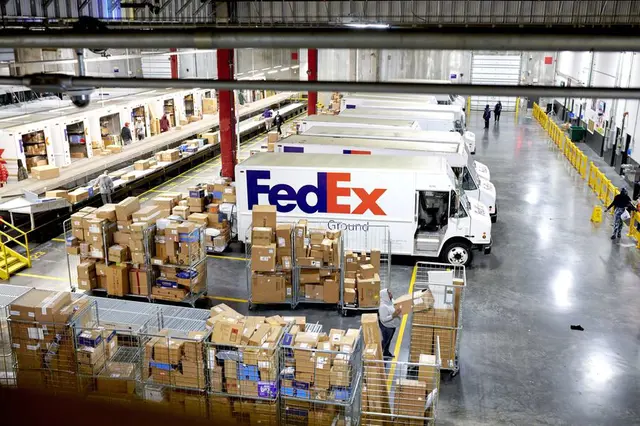
FedEx outlined plans in 2023 to prioritize urgent shipments on its own aircraft while using third-party capacity for less time-sensitive deliveries. The strategy formed part of its broader network efficiency efforts.
After announcing fourth quarter losses, the stock prices of many Chinese technology companies, notably Alibaba and NetEase, fell significantly. As a result of price wars and international tensions, the Hang Seng Tech Index has fallen 16% from its January peak. The situation has become even direr as a result of rising tensions between the United States and China over the war between Russia and Ukraine. The China equities strategist at Bank of America has said that the current status of China's internet is more top-down and influenced by geopolitics. Financial results from Li Auto, Weibo, Nio, and Bilibili are anticipated to be released next week, and many industry experts have pointed to the necessity for increased openness in the IT sector in light of the continuing threat of price wars.
The logistics sector is undergoing rapid technological change. These shifts are driven by automation, real-time monitoring, and a concentration on the client. Automation lessens the need for human involvement, which in turn expedites and improves the accuracy of logistics. With the use of real-time monitoring made possible by the Internet of Things (IoT), logistics companies can keep tabs on shipments' whereabouts and statuses in order to provide reliable arrival estimates and address any problems that may emerge promptly. Mobile technology and e-commerce have increased customer attention by allowing customers to place orders online, track their shipments, and communicate directly with logistics providers. To remain competitive, save costs, provide consistent service, and delight consumers, businesses need to use cutting-edge logistics solutions.