08/05/2026
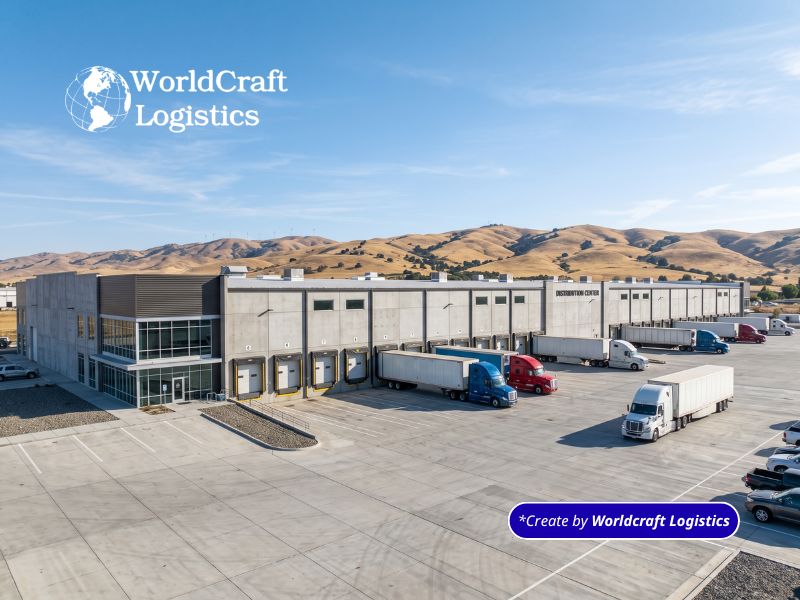
The Port of Oakland is one of the busiest container ports in the United States and the primary ocean gateway for Northern California. A warehouse positioned near it shortens drayage, reduces container dwell time, and gives importers faster access to inventory the moment cargo clears the port. Combined with air freight capacity at Oakland International Airport and dense interstate access, the region lets businesses move goods by sea, air, and road from a single base, which is difficult to replicate in less connected parts of the state.
Warehousing in the Bay Area is not simply warehousing that happens to be in California. Three regional realities shape every decision a B2B operator makes here, and understanding them is the difference between a warehouse that drains margin and one that creates an edge.
Bay Area industrial space and warehouse labor rank among the most expensive in the country. Leasing your own facility, therefore, ties up significant capital and locks in high fixed costs, whether or not the space is full. For businesses with seasonal or uneven demand, that fixed cost is the single biggest reason to think carefully before signing a long lease, because empty square footage in this market is unusually expensive to carry.
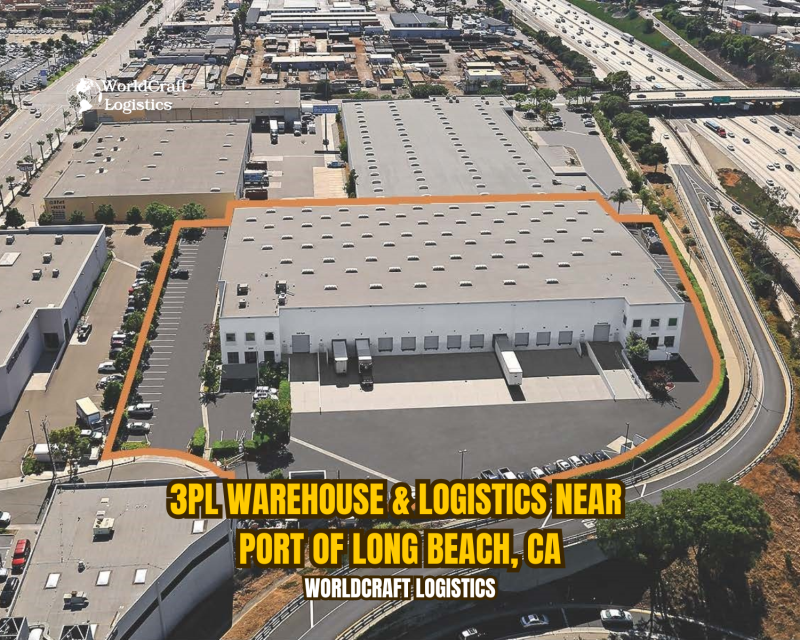
The flip side of the region's cost is its access. Sitting close to the Port of Oakland means shorter drayage runs, lower demurrage risk, and the ability to transload or cross-dock containers straight into distribution. For an importer, that proximity often outweighs the premium on space, because faster inventory turns free up cash that would otherwise sit in transit. This is exactly the position our own facility is built around: the Worldcraft Logistics warehouse in Union City, California is FDA-registered and sits roughly 22 miles from the Port of
Oakland, which lets our clients move cargo from port to put-away quickly and keep goods available for sale. See our Bay Area facility and request a customized warehousing and fulfillment quote from Worldcraft Logistics.Explore Our Union City Warehouse
A Bay Area node lets B2B sellers reach most of Northern California within a single day, and much of Nevada and the Pacific Northwest within one to two days. For companies competing on delivery speed, holding inventory in the Bay Area is often the difference between meeting a service-level promise and missing it, and that reliability is a large part of why importers accept the region's higher space cost.
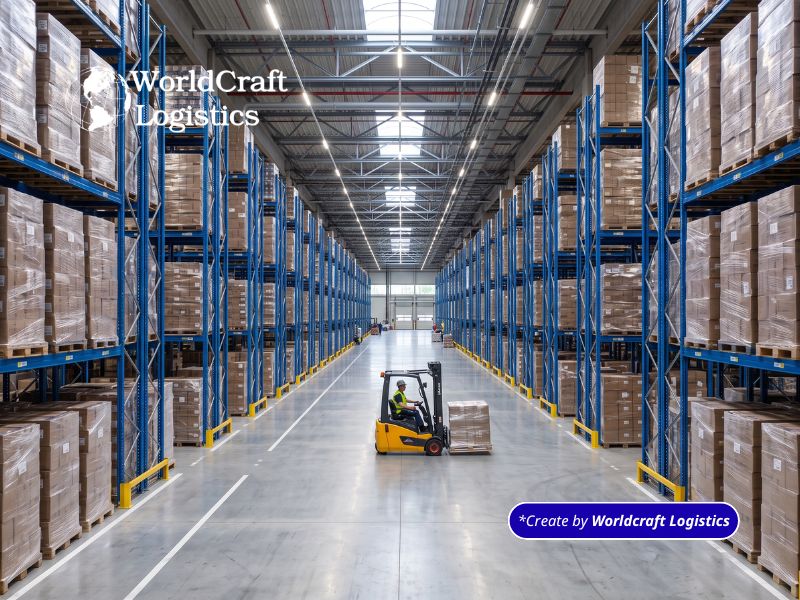
The central decision for most B2B operators is whether to lease and staff a warehouse themselves or partner with a 3PL that provides space, labor, and technology as a service. The table below compares the two on the factors that matter most in a high-cost market like the Bay Area.
| Factor | Leasing Your Own Warehouse | Partnering with a 3PL |
|---|---|---|
| Cost model | Fixed cost regardless of volume | Variable cost that scales with usage |
| Upfront capital | High (lease, racking, equipment) | Low (no build-out required) |
| Flexibility | Locked in for the lease term | Scale space up or down by season |
| Time to launch | Weeks to months | Days once onboarded |
| Staffing | You hire and manage labor | Provided and managed by the 3PL |
| Technology | You buy and integrate a WMS | Included and integrated for you |
| Best for | Very large, stable, predictable volume | Growing, seasonal, or import-driven volume |
Leasing can make sense when your volume is very large, steady, and predictable enough to keep a facility full year-round. For most importers and growing brands, though, the flexibility and lower fixed cost of a 3PL win, especially in a market where idle space is so expensive. If you are weighing this choice, our guide on how to choose a 3PL partner walks through the criteria in detail.
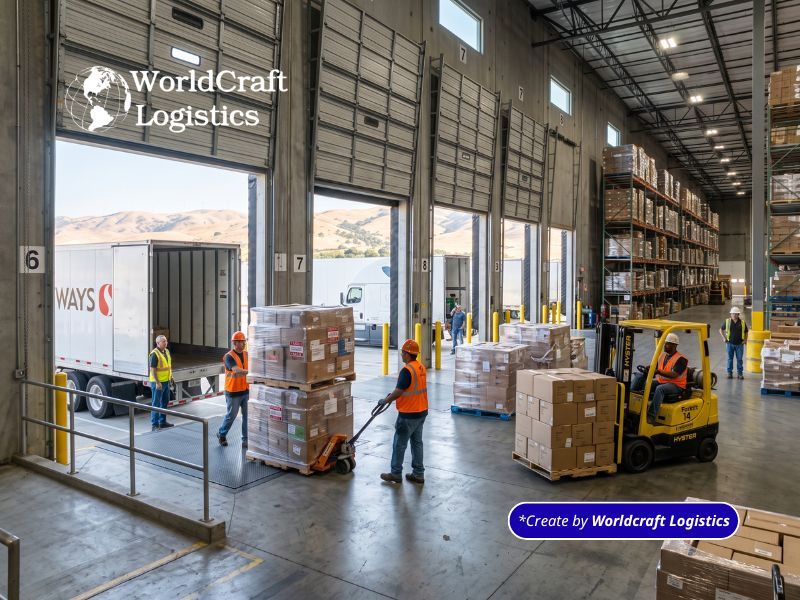
A capable Bay Area 3PL should cover the full path from port to customer. The core services to expect are:
Each of these deserves its own deep dive, and dedicated guides for cross-docking, fulfillment, and FBA prep expand on how they work in practice. The important point for planning is that keeping these services under one roof, close to the port, removes handoffs that add cost and delay.
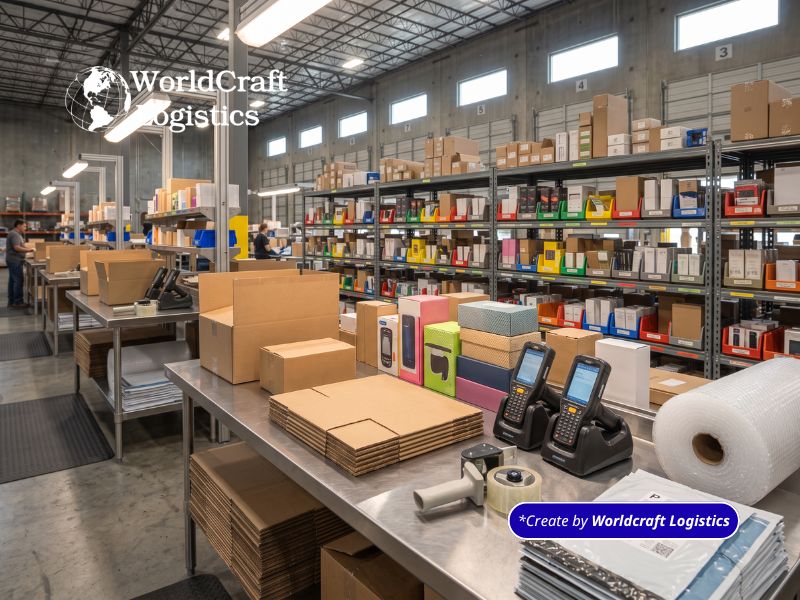
As a reference point, Bay Area warehousing usually costs around 15 to 30 US dollars per pallet per month for storage, while pick and pack fulfillment often starts near $2 to $4 per order plus about $0.3 to $1 per additional item. Unloading a container commonly runs $300 to $600. Because of the region's real estate and labor costs, Bay Area rates tend to sit at the higher end of national ranges. These figures are indicative only and vary by provider and profile, so always request a quote for accurate numbers.
Reference price ranges by service:
| Indicative | Indicative Range (US 3PL)* | Notes |
|---|---|---|
| Pallet storage | $15 to $30 per pallet/month | Bay Area often at the higher end |
| Bin or shelf storage | $1 to $5 per bin/month | For small, slow-moving SKUs |
| Container unloading (devanning) | $300 to $600 per container | Floor-loaded containers cost more |
| Receiving and put-away | $25 to $45 per labor hour | Sometimes charged per pallet |
| Pick and pack (first item) | $2.00 to $4.00 per order | Base fulfillment fee |
| Each additional item | $0.30 to $1.00 per item | Scales with order size |
| Kitting and special projects | $25 to $40 per labor hour | Quoted per project |
| Account minimum | Varies by provider | A monthly minimum is common |
*Note on pricing: The figures above are indicative US 3PL ranges shown for reference only. Actual Bay Area pricing varies by provider, product profile, and volume, and often sits at the higher end because of regional real estate and labor costs. Request a quote for accurate figures for your business.
The practical takeaway is that with Bay Area labor and space carrying a premium, the real saving from a 3PL usually comes from turning fixed cost into variable cost and from faster inventory turns, not from a lower headline rate. Our dedicated Bay Area cost guide breaks these numbers down further.
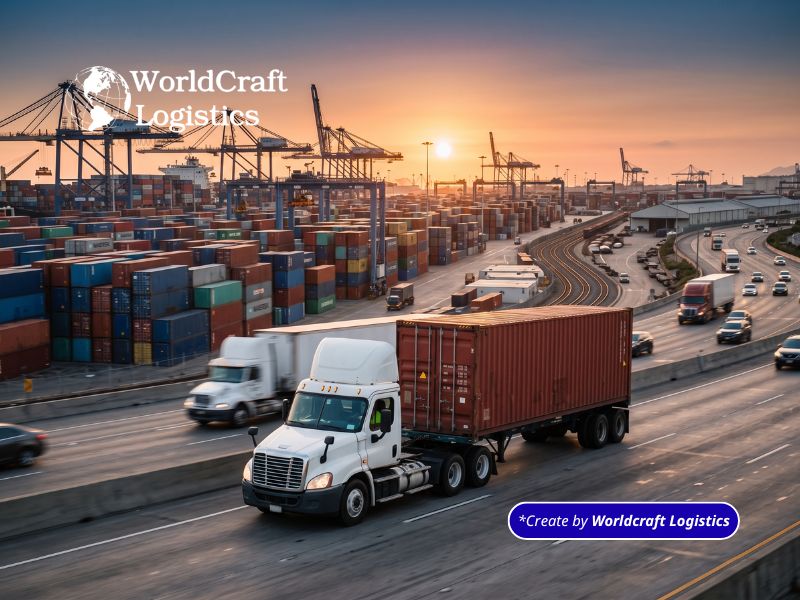
Once you decide to outsource, the partner you pick determines whether Bay Area warehousing becomes an advantage or a headache. Judge candidates on these points:
Questions to ask before you sign
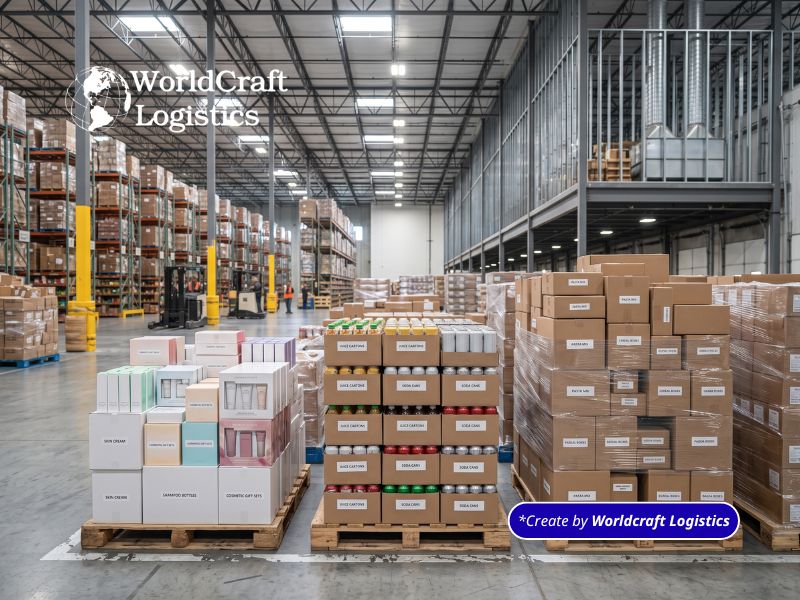
For most B2B importers, the East Bay corridor—including Union City, Fremont, Hayward, and Newark—offers the best balance of accessibility. These locations are close to the Port of Oakland, Oakland International Airport, and major highways such as I-880 and I-680, helping reduce transportation costs and improve delivery speed.
Typical storage rates range from $15 to $30 per pallet per month. Pick and pack fulfillment generally starts around $2 to $4 per order, plus $0.30 to $1.00 for each additional item. Container unloading commonly costs between $300 and $600. Since Bay Area operating costs are relatively high, request a customized quote for accurate pricing.
Generally yes. Commercial real estate, labor, and operating expenses in the Bay Area are among the highest in the United States. However, proximity to the Port of Oakland and faster Northern California distribution often offsets those costs, especially when using a flexible 3PL model.
For importers, the closer the warehouse is to the port, the better. Shorter drayage distances reduce transportation costs, minimize container dwell time and demurrage risk, and make inventory available for sale more quickly after customs clearance.
Some Bay Area 3PL providers offer FDA-registered facilities, which are important for food, beverage, dietary supplement, and cosmetic products. The Worldcraft Logistics Union City warehouse is FDA-registered. Businesses shipping regulated products should always verify compliance requirements before selecting a warehouse partner.
For growing businesses, seasonal demand, and import-driven operations, partnering with a 3PL is often more cost-effective because it converts fixed warehouse expenses into variable operating costs. Leasing your own warehouse generally becomes more economical only when shipment volume is consistently large and predictable.

SEO
Digital Marketing/SEO Specialist
Simon Mang is the SEO and Digital Marketing Specialist at Worldcraft Logistics, where he leads content strategy to promote the company's online presence. With years of experience in digital marketing and a strong understanding of the logistics industry, he has published more than 500 specialized articles across freight, warehousing, and supply chain topics. ( Reviewed for accuracy by the Worldcraft Logistics Operations Team ).