08/16/2026
Food-grade warehousing is storage that meets food-safety standards for handling food, beverage, supplement, and cosmetic products. In the Bay Area, brands use an FDA-registered food-grade warehouse, ideally near the Port of Oakland, to store regulated goods compliantly, protect product quality, and stay audit-ready. Key requirements include FDA registration, FSMA and HACCP practices, sanitation, pest control, and lot and expiration tracking.
If you make or import food, beverage, supplements, or cosmetics and sell on the West Coast, where you store your product is a compliance decision, not just a logistics one. A food-grade warehouse in the Bay Area keeps your inventory safe, traceable, and ready for audits, while its position near the Port of Oakland speeds imported goods to market. This guide covers what food-grade warehousing involves, the temperature and compliance standards to look for, what it costs, and how to choose the right partner.
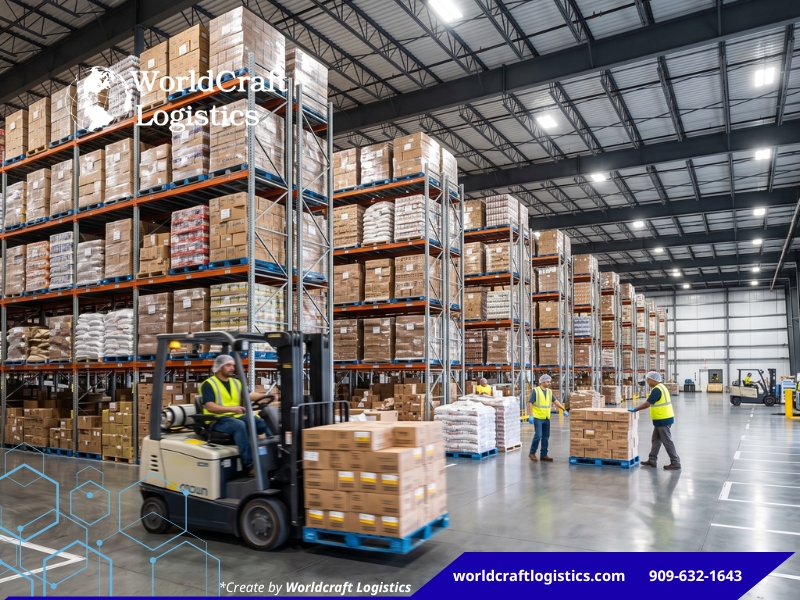
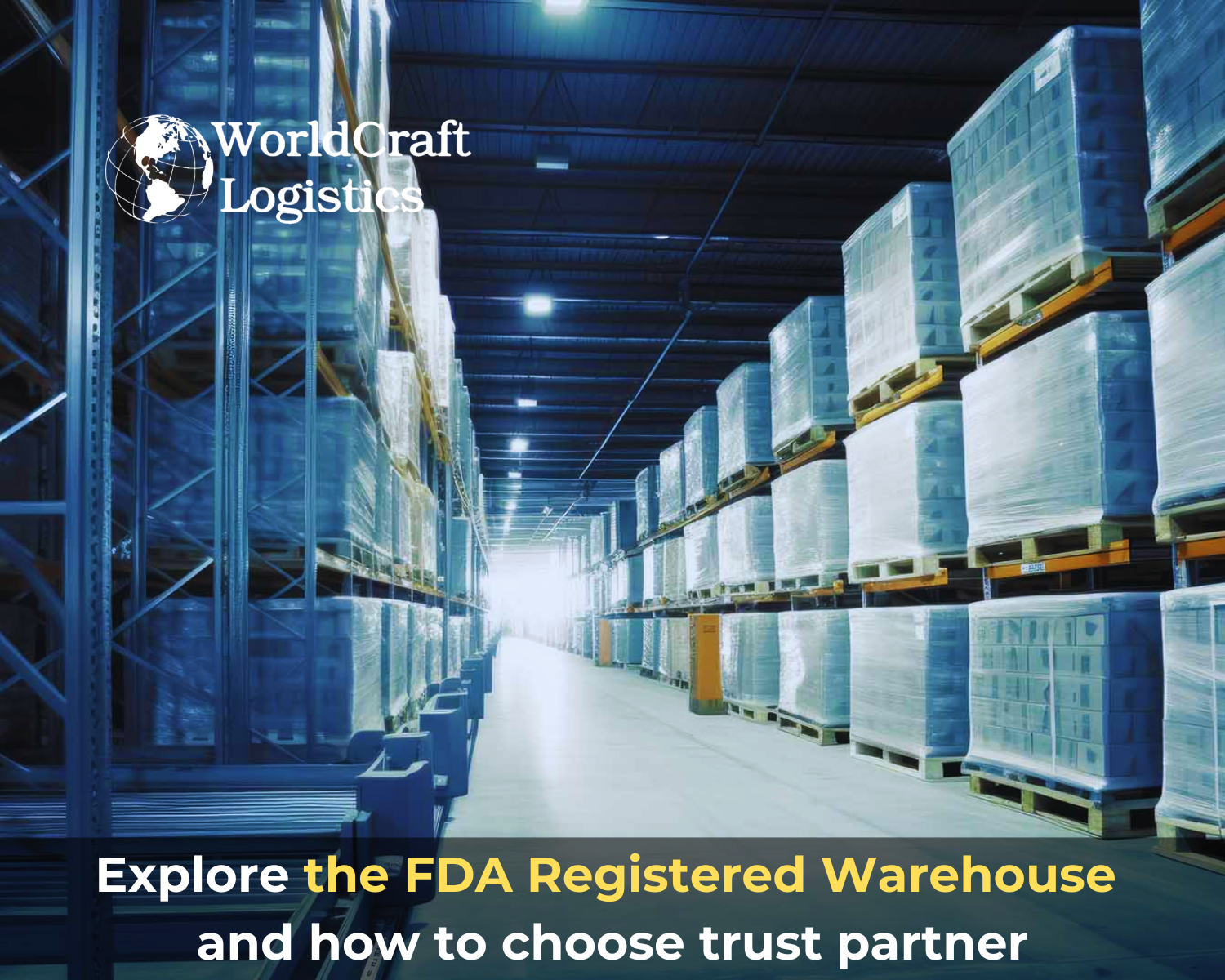
Food-grade warehousing is the storage of edible and consumable products in a facility that meets recognized food-safety standards. Unlike ordinary warehousing, it is built around preventing contamination, keeping products at safe conditions, and maintaining the documentation that regulators and retailers require. In practice, that means an FDA-registered facility with documented sanitation, pest control, product separation, and traceability, so that everything from a canned beverage to a supplement powder is handled without risking safety or compliance.
It is worth noting that food-grade does not automatically mean refrigerated. Many food-grade products are shelf-stable and stored at ambient temperature, while others need chilled or frozen conditions. The right setup depends on your product, which is why understanding temperature zones matters.

See more related content here: 👉 Amazon FBA Prep Bay Area: Fast & Compliant 3PL (Union City)
Food-grade products fall into different temperature classes, and matching your goods to the correct zone protects both safety and shelf life. The table below shows the typical zones used in the industry.
| Temperature Zone | Typical Range | Example Products |
|---|---|---|
| Frozen | About -10 to 0°F (-23 to -18°C) | Ice cream, frozen meals, frozen proteins |
| Refrigerated / Chilled | About 34 to 40°F (1 to 4°C) | Dairy, fresh produce, chilled beverages |
| Cool / Controlled | About 55 to 60°F (13 to 16°C) | Chocolate, wine, some cosmetics |
| Ambient / Dry | About 60 to 75°F (16 to 24°C) | Shelf-stable food, canned goods, supplements, dry mixes |
*Temperature ranges are indicative industry references; confirm the exact conditions your product requires.
Not every food-grade warehouse offers every temperature zone. If your products are shelf-stable, an FDA-registered ambient facility is the right fit. If they are chilled or frozen, confirm that your provider offers refrigerated or frozen storage with continuous temperature monitoring before you commit.
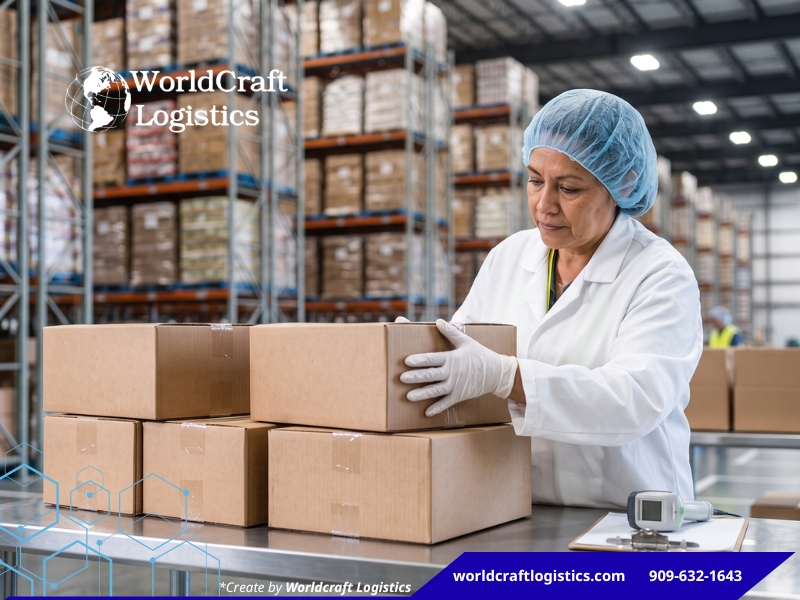
The difference between a general warehouse and a food-grade one is a system of controls and documentation that keeps product safe and traceable. When evaluating a Bay Area food-grade warehouse, look for these pillars:
Together, these controls are what let a brand pass a retailer or regulatory audit with confidence. A warehouse that cannot show them is not truly food-grade, whatever it calls itself.
Food-grade storage is essential for any product that people consume or apply to their body. The most common categories include:
Natural and organic CPG brands in particular benefit from a food-grade partner, because their retail buyers and certifications demand a documented, compliant supply chain.
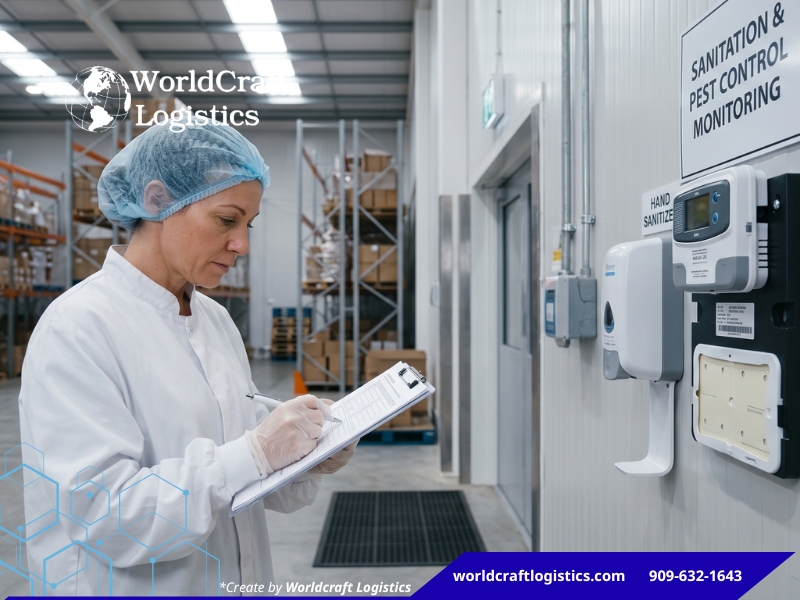
A capable Bay Area food-grade warehouse should manage your product from arrival to outbound with the controls intact. The services to expect are:
Keeping these under one roof near the port reduces the handoffs where product safety and traceability are most at risk. For the transport side, see our guide on Port of Oakland drayage and transloading.
Certifications are how a warehouse proves its food-safety claims. Ask for current documentation on the following, and match them to what your retailers and category require:
A warehouse that keeps these current and can produce them on request is one you can build a compliant supply chain on.
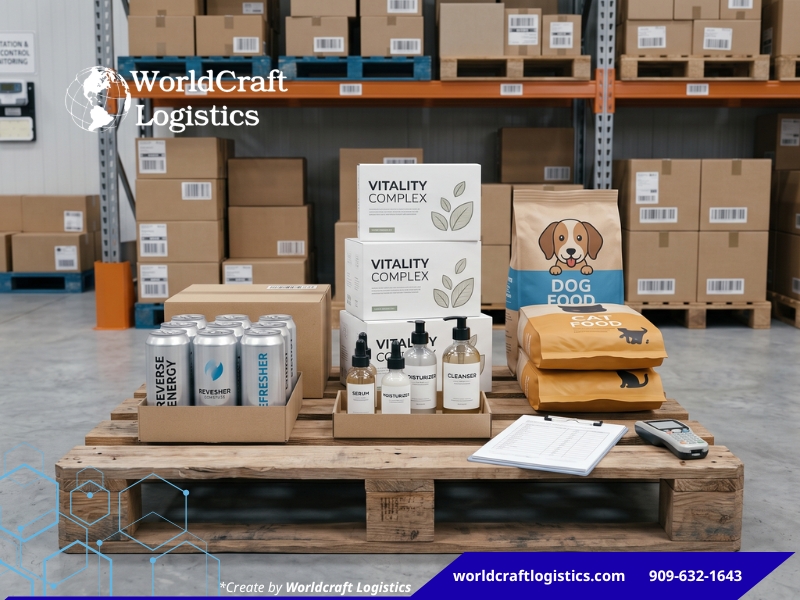
Looking to explore more warehousing options across California? Check out the Top 15 Best Warehouses in California for a list of standout facilities and services tailored to specific logistics needs.
Once you have a shortlist, judge each option on compliance and fit, not just price. Weigh candidates on these points:
Food-grade storage is usually priced per pallet per month, plus receiving and handling fees, so cost scales with volume. Ambient FDA-registered storage is broadly comparable to standard 3PL rates, while refrigerated and frozen storage cost more because of the equipment and energy involved. As a reference for the Bay Area:
| Storage Type | Indicative Range (US)* | Notes |
|---|---|---|
| Ambient / Dry (FDA-Registered) | $15–$30 per pallet/month | Comparable to standard 3PL storage. |
| Refrigerated / Chilled | $25–$50 per pallet/month | Higher costs due to specialized equipment and energy requirements. |
| Frozen | $35–$70 per pallet/month | Highest storage cost tier. |
| Receiving (Pallet) | $15–$30 per pallet | Inbound handling. |
| Pick & Pack | $2–$4 per order + item fees | For fulfillment. |
These are indicative US reference ranges only. Actual food-grade pricing varies by temperature zone, product, volume, and services. Request a quote for accurate figures. Our Bay Area cost guide breaks the numbers down further.
Food-grade warehousing is where compliance and logistics meet. For food, beverage, supplement, and cosmetic brands, the right Bay Area warehouse keeps product safe, traceable, and audit-ready, while proximity to the Port of Oakland speeds imported goods to market. Choose a partner on FDA registration and food-safety documentation first, match the temperature zone to your product, and confirm traceability before you sign. Get those right, and your warehouse becomes a safeguard for your brand rather than a risk.
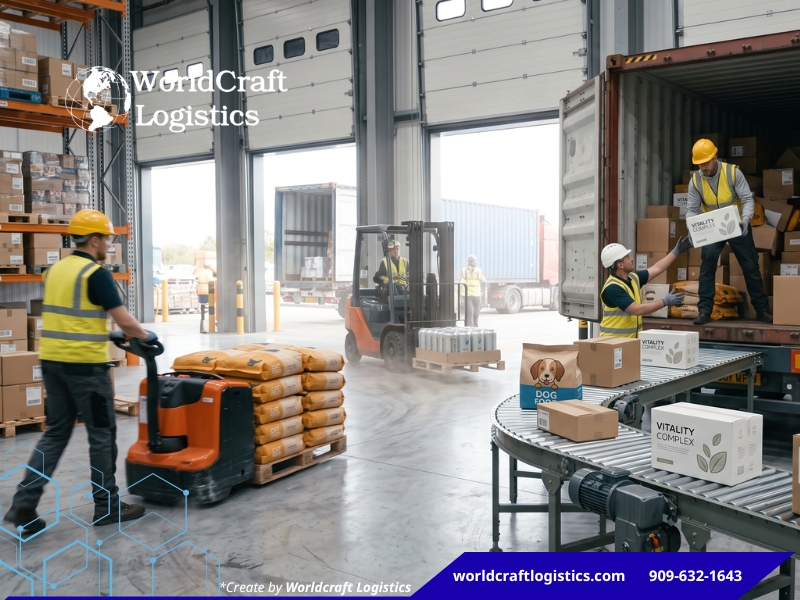
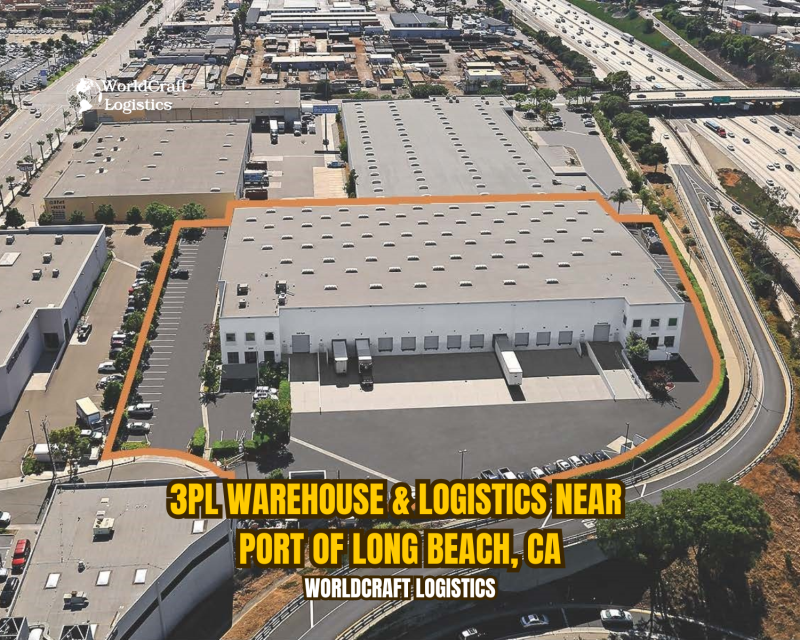
Our FDA-registered warehouse in Union City, CA sits about 22 miles from the Port of Oakland and provides food-grade storage, receiving and inspection, lot and expiration tracking, cross-docking, and fulfillment for food, beverage, and CPG brands.
Request a Food-Grade Warehousing Quote: Contact Our Union City Team →
SEO
Digital Marketing/SEO Specialist
Simon Mang is the SEO and Digital Marketing Specialist at Worldcraft Logistics, where he leads content strategy to promote the company's online presence. With years of experience in digital marketing and a strong understanding of the logistics industry, he has published more than 500 specialized articles across freight, warehousing, and supply chain topics. ( Reviewed for accuracy by the Worldcraft Logistics Operations Team ).