06/15/2026
Knowing how to choose a 3PL warehouse in California is the difference between a lean import operation and one that bleeds money on drayage, compliance failures, and storage fees you never saw coming.
Most guides on this topic talk about customer service ratings and contract flexibility. That advice works for domestic e-commerce brands. It does not work if you are importing goods through the Port of Los Angeles, Long Beach, or Oakland and distributing across the US from a California facility.
The wrong warehouse location can add $600 or more per container in drayage before a single pallet moves. The wrong certifications can hold an FDA-regulated shipment for days. This guide covers the five criteria that actually determine warehouse performance for B2B importers port proximity, compliance, cost structure, WMS capability, and scalability, with a location comparison across Ontario, Cerritos, and Union City.
When importers calculate warehousing costs, most focus on the monthly pallet rate. That's the wrong starting point.
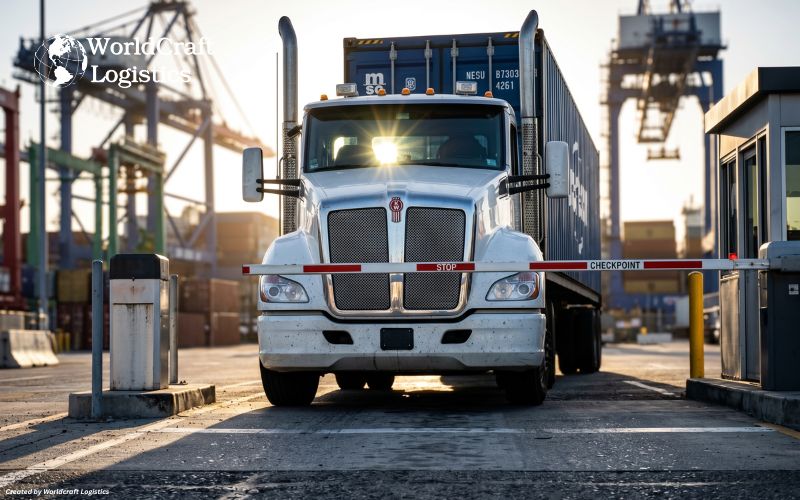
The real cost driver is drayage, the ground transport from the port terminal to your warehouse. In California, drayage rates fluctuate based on distance, chassis availability, and port congestion. As of 2026, the average drayage cost from the Port of Long Beach to a warehouse runs approximately:
Under 25 miles: $350–$550 per container
25–50 miles: $550–$850 per container
50–80 miles: $800–$1,200 per container
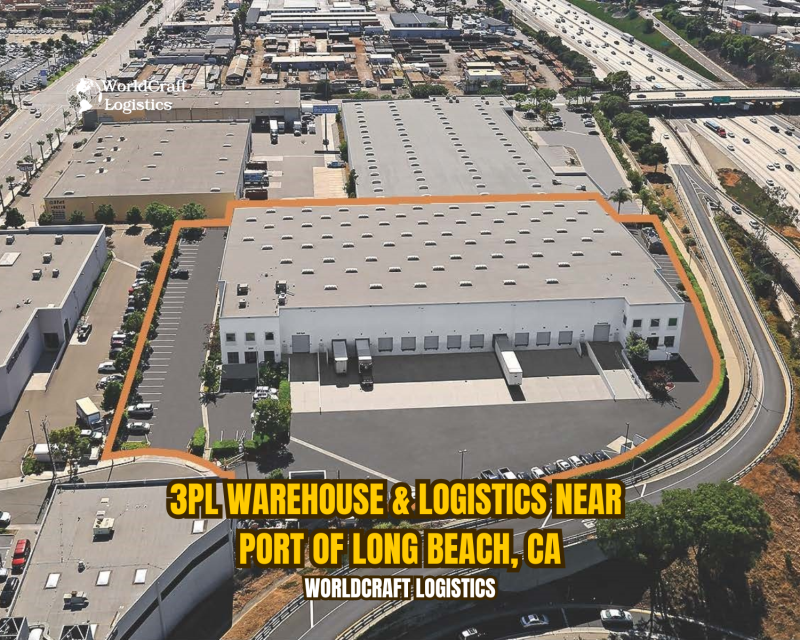
A warehouse in Cerritos, CA sits roughly 20 miles from the Port of Long Beach terminal gates. A warehouse in Ontario, CA sits approximately 60 miles inland. For a company moving 30 containers per month, that distance difference can translate to $10,000–$15,000 in monthly drayage variance alone before accounting for storage costs.
Northern California operates through the Port of Oakland. Union City, CA positions importers within 25 miles of the Oakland port, making it the primary consolidation point for brands distributing across the Bay Area and Northern California.
Choosing a 3PL warehouse in California starts with answering one question: which port is your freight entering, and how close is the facility to that port's terminal gates?
If you want a broader overview of available facilities, the article on the top warehouses in California for 2026 covers 15 options across Southern and Northern California with location specs and port access details.
Use this checklist before committing to any facility. Each criterion directly affects your landed cost, compliance exposure, or operational flexibility.
Confirm the actual gate-to-dock distance, not just a city name. A warehouse listed as "Los Angeles" could be 15 miles or 45 miles from the terminal, depending on the specific address.
For Southern California importers, the two primary warehouse markets are:
Cerritos, CA: Closest established warehouse market to the Port of LA and Long Beach, with strong access to I-605 and I-91 for SoCal last-mile distribution
Ontario, CA (Inland Empire): Approximately 60 miles from port but offers significantly lower pallet storage rates and large-format facilities suited to high-volume importers
For Northern California importers:
Union City, CA: Positioned between the Port of Oakland and the broader Bay Area, with direct access to I-880 for North and South Bay distribution
The right answer depends on your freight volume, distribution geography, and how often containers arrive. High-frequency, high-volume importers often run a split strategy, port-adjacent for fast turns, inland for long-term storage.
This is where many importers skip due diligence and pay for it later. Before signing with any California 3PL, confirm the following based on your product category:
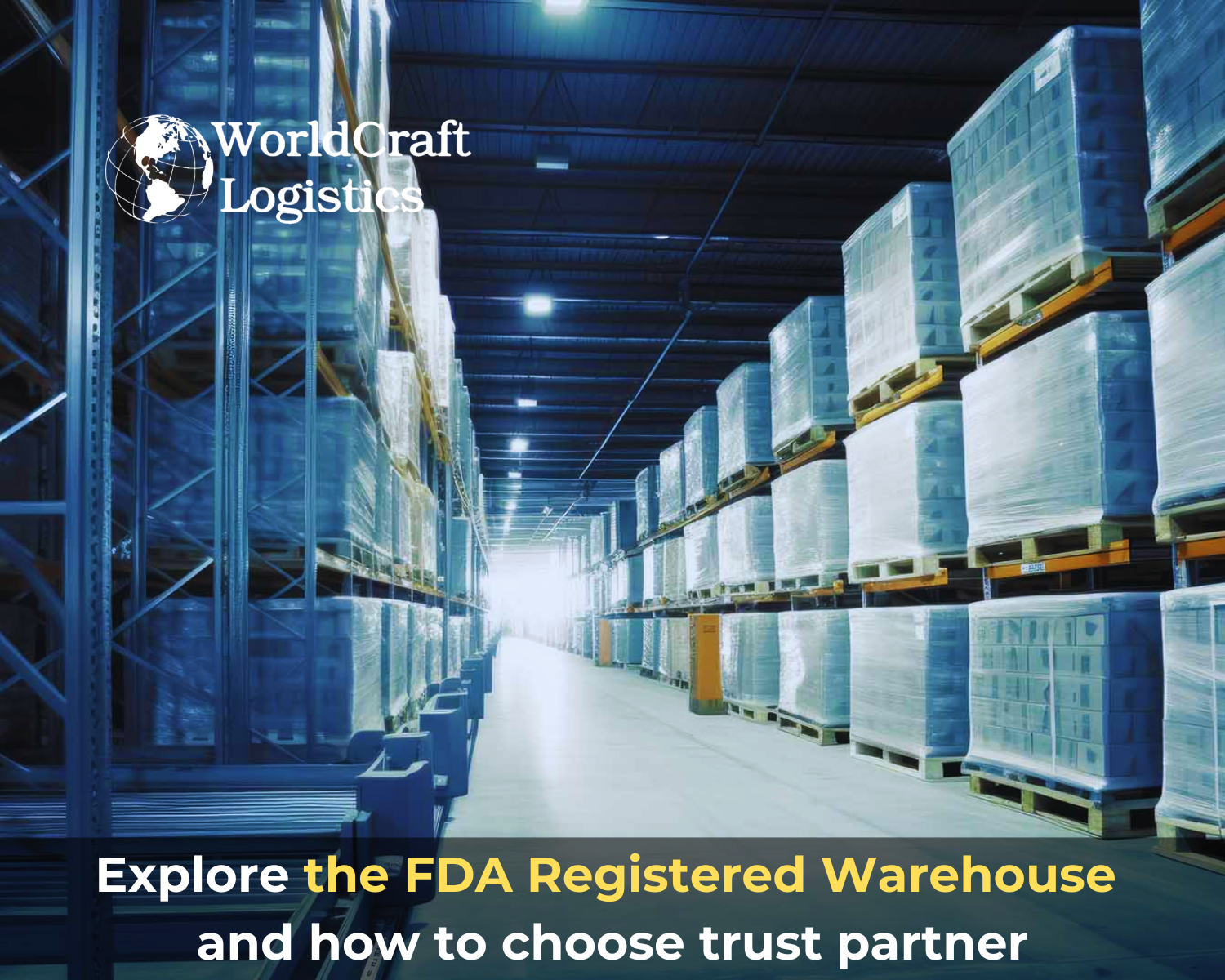
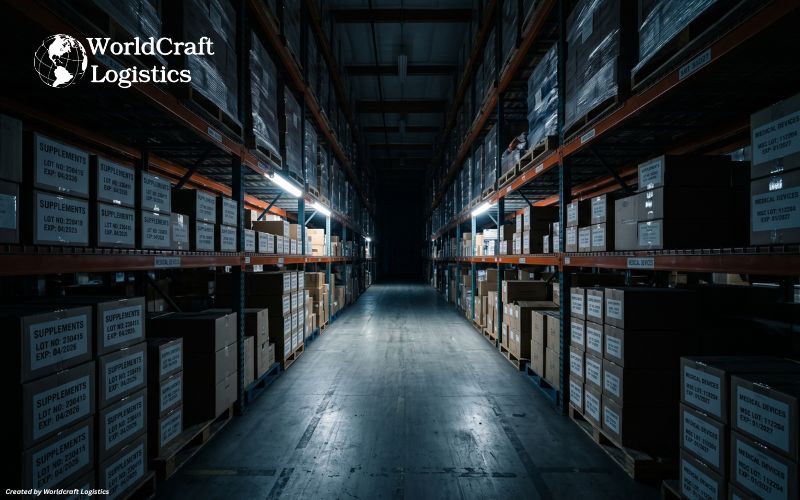
FDA Registration is required for any warehouse storing food, dietary supplements, cosmetics, or medical devices. An FDA-registered facility has passed inspection requirements under 21 CFR Part 1, Subpart L. If your 3PL is not registered and your product requires it, you cannot legally store goods there for US distribution.
Bonded Warehouse status allows importers to defer US customs duties until goods are released into commerce. This is particularly valuable for importers managing cash flow across large shipment volumes.
Hazmat and Lithium Battery Compliance matters if you import electronics, power tools, or EV-related components. Not all California warehouses are equipped or permitted to store Class 9 hazmat materials.
FTZ Access (Foreign Trade Zone) provides duty and tariff advantages for goods destined for re-export or further manufacturing. Not all California 3PLs operate within or adjacent to an FTZ zone. Confirm this if it applies to your supply chain.
California warehouse pricing is not standardized. Two facilities in the same city can have rate structures that produce very different actual monthly costs depending on how your SKUs move.
When requesting a rate sheet, ask for all of the following line items:
Pallet storage rate ($/pallet/month) standard range in California in 2026 runs $18–$35, depending on location and facility type
Receiving fee charged per carton, per pallet, or per container; confirm which unit applies
Pick and pack fee per order or per unit; critical for importers also running B2B order fulfillment
Labeling and rework per unit or per hour; relevant if goods arrive requiring FBA labeling or compliance relabeling
Minimum monthly charge many California 3PLs carry a floor charge of $500–$1,500/month regardless of volume
Ask the facility to run a sample invoice using your actual monthly volumes. A rate sheet can look competitive; the sample invoice tells you the real number.
A warehouse management system (WMS) is the operational backbone of any modern 3PL. For B2B importers, the WMS determines how accurately and quickly you can track inventory, process purchase orders, and generate reports for your internal teams.
At a minimum, the WMS should provide:
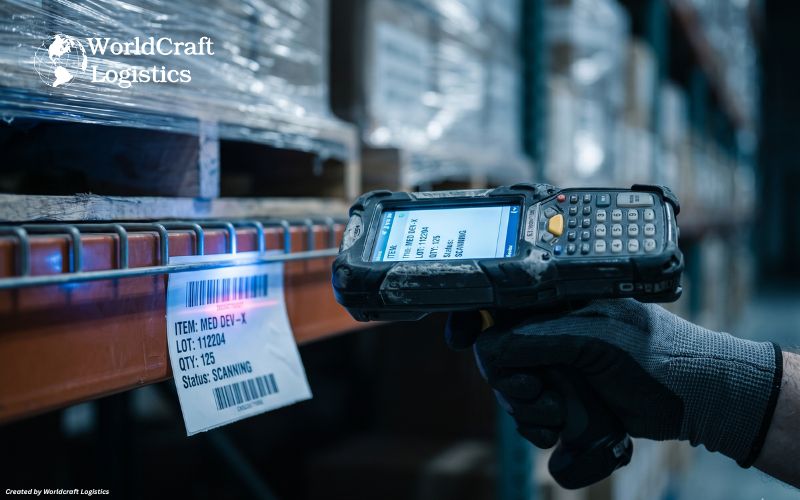
Real-time inventory visibility by SKU and lot number
Inbound container receiving confirmations with timestamps
EDI or API integration with your ERP, Shopify, NetSuite, or other platforms
Amazon FBA shipment creation support if applicable
Exportable reporting in standard formats (CSV, Excel)
For importers managing multiple SKUs across multiple buyers, inadequate WMS visibility creates downstream problems , such as overstocking, missed replenishment windows, and disputes with buyers over shipment accuracy. Confirm integration capabilities before you commit.
Most B2B importers eventually need more than storage and basic pick-and-pack. The right California 3PL warehouse should support:
FBA Prep: poly bagging, bubble wrapping, FNSKU labeling, carton content labeling, and shipment creation directly into Seller Central. Confirm whether your 3PL has an active Amazon Seller Fulfilled prep program.
Cross-Docking: for freight that needs to transfer from an inbound container directly to outbound trucks without long-term storage. Port-adjacent facilities like Cerritos are particularly well-suited for cross-dock operations.
Transloading: converting ocean freight from 40' or 45' containers into domestic 53' trailers for national distribution. This is a specialized service not all 3PLs offer it in-house.
Peak Season Capacity: Ask directly what percentage of capacity was used in Q4 2024 and Q4 2025? A facility operating at 95% capacity in October is a risk to your Q4 fulfillment commitments.
The three primary warehouse markets serving B2B importers in California each serve different distribution needs. Here is a direct comparison:
For importers distributing nationally, Ontario's lower pallet rates often offset the higher drayage cost at sufficient volume. For importers focused on California retail distribution or Amazon FBA prep with tight lead times, Cerritos provides operational speed that Ontario cannot match at a distance.
Worldcraft Logistics operates facilities across all three of these markets. You can review specific location details, specs, and port access information for Ontario, CA, Cerritos, CA, and Union City, CA.
Most warehousing problems are predictable. These are the warning signs importers overlook during the evaluation phase:
No WMS or spreadsheet-based tracking. If your 3PL manages inventory in Excel or Google Sheets, you have no real-time visibility and no audit trail. This is not acceptable for B2B import operations at any meaningful volume.
Rate sheet provided but no sample invoice. A 3PL that cannot or will not run a sample invoice on your volumes is either disorganized or hiding ancillary fees. Require the sample invoice before proceeding.
No FDA registration for regulated products. If your product falls under FDA oversight and the warehouse is not registered, storage there creates compliance exposure. Verify registration status on the FDA's Food Facility Registration database before signing.
Multi-year contract with no flexibility. Legitimate California 3PLs serving B2B importers typically offer monthly or annual agreements with reasonable exit terms. A 3-year minimum commitment with heavy early termination penalties is a structural red flag.
Vague answers on peak season capacity. Any facility that cannot tell you its Q4 utilization rate from the prior two years is either not tracking it or is aware it's unflattering. You need a definitive answer before Q3 planning begins.
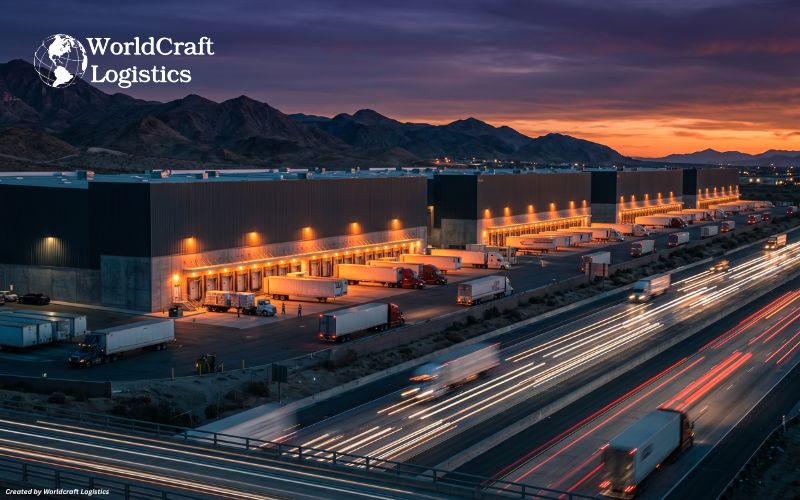
Worldcraft Logistics operates 3PL warehouse facilities in Ontario, Cerritos, and Union City, covering both the Port of LA/Long Beach corridor and the Port of Oakland corridor with a single provider relationship.
All three facilities are FDA registered, WMS-enabled, and equipped to handle FBA prep, cross-docking, and transloading. There are no long-term contracts required, and rate sheets are provided with a sample invoice on request.
For B2B importers evaluating California warehousing for the first time or renegotiating an existing 3PL relationship, the evaluation process starts with a direct conversation about your freight volumes, container frequency, and distribution geography.
Ready to optimize your California warehousing strategy? Request a quote from Worldcraft Logistics or review the full location breakdown in the Top Warehouses in California for the 2026 Guide.
1. What is the most important factor when choosing a 3PL warehouse in California for importers?
Port proximity is the most operationally impactful factor. As covered in the location comparison section, drayage distance directly determines your per-container cost, which scales significantly at volume.
2. How much does pallet storage cost at a California 3PL warehouse in 2026?
Pallet storage rates in California currently range from $18 to $35 per pallet per month, depending on location. Port-adjacent markets like Cerritos carry a premium; inland markets like Ontario run lower.
3. Do California 3PL warehouses need to be FDA registered?
Yes, if you are storing food, supplements, cosmetics, or medical devices. FDA registration is a federal requirement under 21 CFR Part 1, Subpart L. Always verify registration status before committing to a facility.
4. What is the difference between a bonded warehouse and a standard 3PL warehouse in California?
A bonded warehouse allows importers to defer US customs duties until goods enter commerce. A standard warehouse does not offer this. The bonded status is issued by US Customs and Border Protection and not all California facilities carry it.
5. Which California port is better for B2B importers — Port of LA or Port of Oakland?
It depends on your distribution geography. Port of LA/Long Beach serves Southern California and national distribution via Inland Empire. Port of Oakland serves Northern California and Bay Area distribution. The port comparison section covers this in detail.
6. What value-added services should a California 3PL warehouse offer for Amazon sellers?
FBA prep services including FNSKU labeling, poly bagging, carton content labeling, and Seller Central shipment creation are the primary requirements. Confirm whether these are handled in-house or outsourced.
7. How do I evaluate whether a California 3PL warehouse can handle my peak season volume?
Ask for Q4 utilization rates from the prior two years. As noted in the red flags section, a facility that cannot provide this data presents a scalability risk.
8. What is transloading and do California 3PL warehouses offer it?
Transloading is the process of transferring cargo from ocean containers into domestic 53' trailers for national distribution. It is a specialized service not universally offered and most relevant for importers distributing beyond California.
9. Is Ontario, CA or Cerritos, CA better for a Southern California 3PL warehouse?
Cerritos is better for fast container turns and SoCal last-mile distribution due to port proximity. Ontario offers lower pallet storage rates suited to high-volume importers. The cost comparison table in this article breaks down the tradeoffs by drayage cost and storage rate.
10. Can a single 3PL provider handle warehousing across multiple California locations?
Yes. Providers like Worldcraft Logistics operate across Ontario, Cerritos, and Union City under a single account relationship, which simplifies inventory management, billing, and operational coordination for importers with multi-regional distribution needs.

SEO
Digital Marketing/SEO Specialist
Simon Mang is the SEO and Digital Marketing Specialist at Worldcraft Logistics, where he leads content strategy to promote the company's online presence. With years of experience in digital marketing and a strong understanding of the logistics industry, he has published more than 500 specialized articles across freight, warehousing, and supply chain topics. ( Reviewed for accuracy by the Worldcraft Logistics Operations Team ).