08/24/2026
Every growing business eventually runs out of space at the worst possible time, usually right before a peak, a big order, or a container landing early. Short-term and overflow warehousing gives you extra room and labor exactly when you need it, without locking into a long lease. In a high-cost, fast-moving market like the Bay Area, that flexibility is often the difference between shipping on time and turning customers away. This guide explains what overflow warehousing is, when to use it, what it costs, and how to choose the right flexible space near the Port of Oakland.
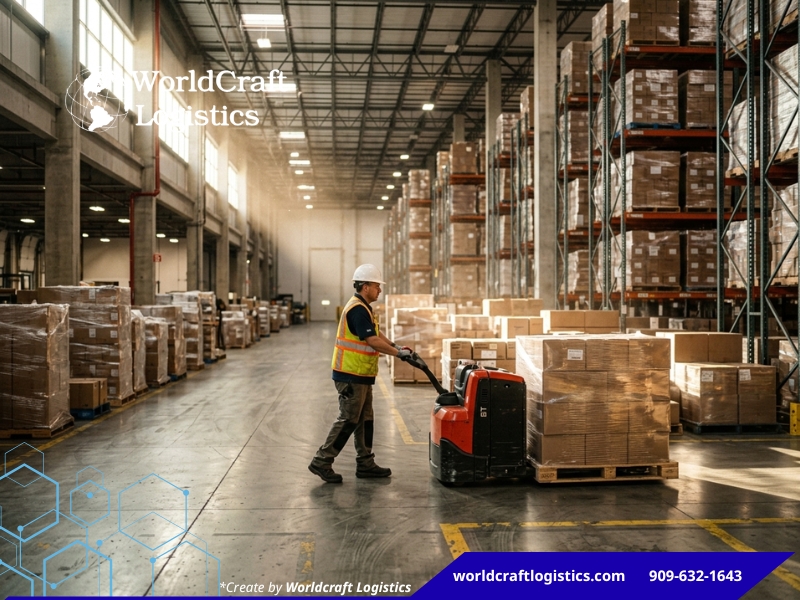
Overflow warehousing is extra, short-term storage space you use when your primary warehouse, store, or 3PL is full, so you can hold inventory without signing a long-term lease.
Overflow and short-term warehousing are closely related. Overflow storage handles the excess that will not fit in your usual space, while short-term storage is any flexible arrangement measured in weeks or months rather than years. Both let you take on space when demand rises and release it when things quiet down, which is exactly what most businesses need but a standard lease cannot provide.
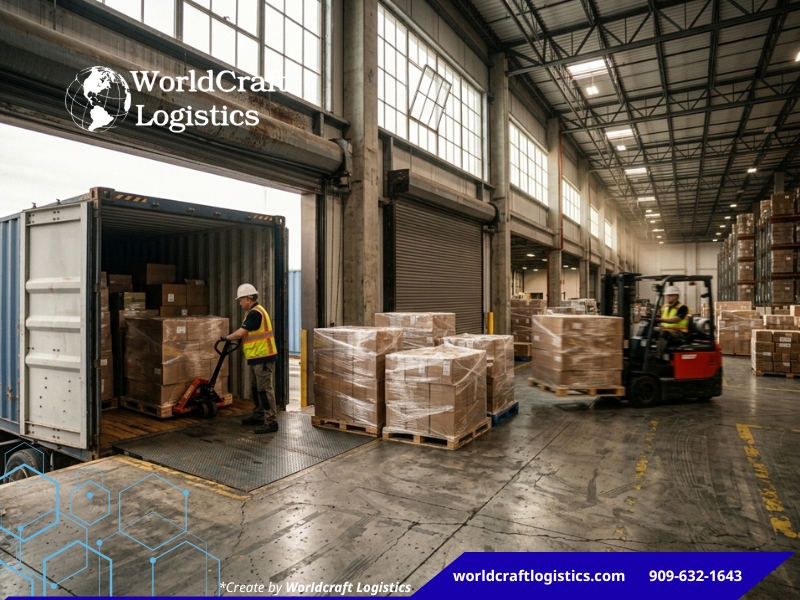
You need short-term or overflow warehousing when your space fills up temporarily, most often during peak season, a product launch, an early container arrival, or a period of fast growth.
The signs are usually clear once you know what to look for. Consider overflow warehousing when any of these apply.
Overflow warehousing lets you pay only for the space and time you use and scale down afterward, while a long-term lease locks you into fixed cost whether or not the space is full.
For temporary or seasonal needs, flexibility usually wins. The comparison below shows why.
| Factor | Overflow and Short-Term Warehousing | Long-Term Lease |
|---|---|---|
| Commitment | Weeks to months, cancel or extend as needed | Typically 3 to 5 years, locked in |
| Cost Model | Variable, pay per pallet and service used | Fixed monthly rent regardless of usage |
| Upfront Capital | Low, no deposit or build-out | High, security deposit, racking, and equipment |
| Time to Start | Days once onboarded | Weeks to months to fit out and staff |
| Scalability | Scale space up and down with demand | Fixed footprint, hard to change |
| Labor | Provided and managed by the warehouse | You hire, train, and manage staff |
| Equipment and Technology | Racking, forklifts, and WMS included | You buy and maintain them |
| Idle-Space Risk | None, you release space when demand drops | High, you pay for empty space off-peak |
| Fulfillment | Can pick, pack, and ship from the stock | You run your own fulfillment |
| Best For | Peaks, seasonal stock, imports, and growth | Very large, steady, year-round volume |
In the Bay Area, where industrial space and labor are among the most expensive in the country, paying year-round for capacity you only need a few months is especially costly. That is why many brands keep a smaller base operation and lean on overflow space for the peaks.
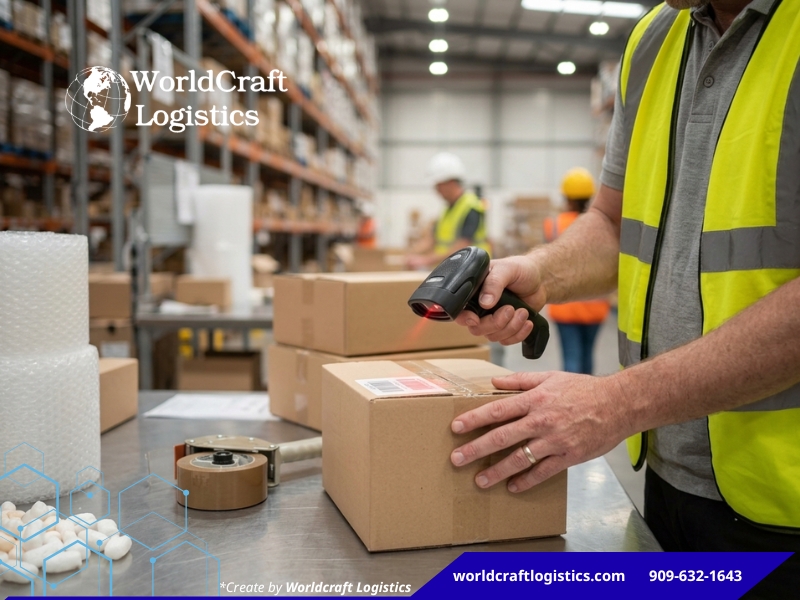
Overflow warehousing typically includes receiving and inspection, secure short-term storage, and optional pick and pack, cross-docking, and returns handling.
Good overflow storage is more than an empty room. Look for a provider that can receive and log your inventory accurately, store it safely for as long as you need, and, if required, fulfill orders directly from the overflow stock so it is not just sitting idle. Cross-docking is useful when goods are only passing through, and returns handling helps during and after a peak when returns spike.
Short-term and overflow warehousing in the Bay Area typically costs about $15 to $30 per pallet per month for storage, and a small overflow setup often runs roughly $200 to $1,000 per month all in, depending on the number of pallets, receiving, and whether you also fulfill orders.
Because overflow storage is usage-based, you avoid the fixed cost of a lease and pay only for the space and services you use, then scale down when demand drops. At the low end, holding a handful of pallets for a few weeks can cost a few hundred dollars a month. At the higher end, a larger overflow with receiving, fulfillment, and returns can run into the low thousands. The table below breaks the fees down so you can estimate your own cost.
| Service | Indicative Range (US)* | Notes |
|---|---|---|
| Pallet Storage (Short-Term) | $15 to $30 per pallet / month | No long lease required |
| Bin or Shelf Storage | $1 to $5 per bin / month | For small, slow-moving SKUs |
| Receiving (Pallet / LTL) | $15 to $30 per pallet | Palletized inbound |
| Receiving (Carton / SPD) | $3 to $6 per carton | Small parcel inbound |
| Container Unloading (Devanning) | $300 to $600 per container | For import overflow off the docks |
| Pick and Pack (First Item) | $2 to $4 per order | If you fulfill from the stock |
| Each Additional Item | $0.30 to $1.00 per item | Scales with order size |
| Cross-Docking (Pass-Through) | Quoted per shipment | If goods are not stored long |
| Returns Processing | $2 to $5 per return | Useful during and after a peak |
| Ad-Hoc Labor / Projects | $25 to $40 per labor hour | Kitting, relabeling, special handling |
| Account Minimum | Varies by provider | Short-term plans may set a minimum |
* Indicative US reference ranges only, not a quote. Pricing varies by volume, duration, and services. Please request a quote. Our California 3PL cost guide breaks the numbers down further.
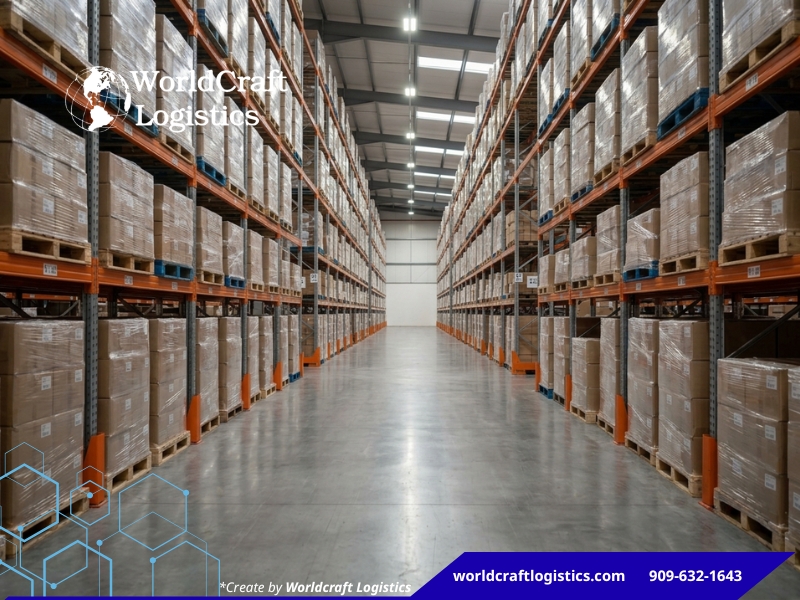
Worldcraft Logistics provides flexible short-term and overflow warehousing from an FDA-registered facility in Union City, about 22 miles from the Port of Oakland.
Because we are a freight forwarder as well as a warehouse operator, we can pull your imports from the Port of Oakland, receive the overflow, and fulfill orders from it, all with one partner. You take the space when a peak or a large shipment hits and scale back down afterward, so you never pay for idle capacity in the quiet months. For more on our Northern California operation, see our guide on Bay Area warehousing.
Need flexible space fast? Get an overflow warehousing quote from Worldcraft Logistics →
Please choose a short-term warehouse based on its flexibility, location near the Port of Oakland, transparent pricing, and ability to receive and fulfill quickly, not just store.
The right overflow partner should make it easy to scale up and down without a fight. Weigh candidates on these points.
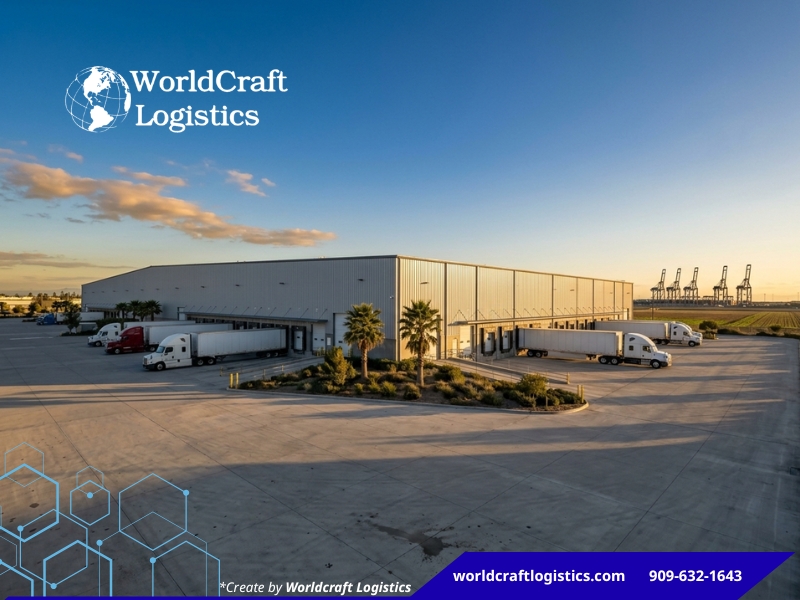
A representative example based on situations we regularly handle for e-commerce and food brands. Details are anonymized.
The challenge.
A growing Bay Area food and beverage brand sold through its own Shopify store and on Amazon. Ahead of peak season, a large imported shipment landed at the Port of Oakland earlier than expected, and the brand had nowhere to put it. Its own space was full, its Amazon FBA account was near its storage limit, and, because the products were consumable, any overflow space had to meet food-safety standards. The team was staring at a stockout on best sellers right before their busiest weeks.
How a 3PL solves it.
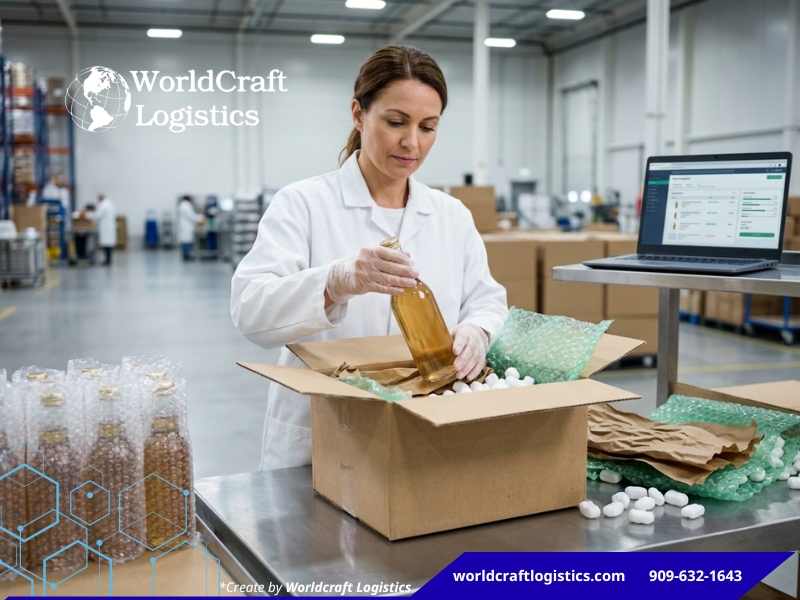
This is exactly what overflow warehousing is built for. In a case like this, Worldcraft Logistics pulls the early container from the Port of Oakland, receives it into the FDA-registered Union City facility so food-safety compliance is maintained, and stores the overflow short-term. From there, the stock does double duty. Shopify direct-to-consumer orders are picked, packed, and shipped straight from the overflow, while a buffer is held ready to feed Amazon FBA in smaller, compliant replenishments that stay within the seller's storage limits.
The result.
Instead of scrambling for space or committing to a long lease, the brand held its peak inventory in flexible, compliant storage, kept both its Shopify and Amazon channels in stock through the surge, and released the extra space once the peak passed. The three pressures that so often collide during peak- running out of room, hitting FBA limits, and keeping food-grade compliance, were handled with one partner.
Short-term and overflow warehousing turns a stressful space crunch into a simple, flexible arrangement. Instead of overpaying for a lease sized to your busiest week, you take extra space when you need it and release it when you do not. In the Bay Area, a flexible warehouse near the Port of Oakland is the smartest way to handle peaks, seasonal stock, and early imports without tying up capital. When the next crunch hits, having an overflow partner ready means you keep shipping while everyone else scrambles for space.
Often within a few days. Once you are onboarded, a 3PL can usually receive your inventory almost immediately, which is why overflow storage works even when a container lands early or a peak arrives sooner than expected.
A self-storage unit is just a locked space you manage yourself. Overflow warehousing includes receiving, inventory tracking, labor, and often pick and pack, so your stock is handled and can ship, not just stored.
It depends on the provider. Some accept just a few pallets, while others set a monthly minimum. Ask about minimums up front so a small or short overflow does not cost more than expected.
A reputable 3PL logs your goods on arrival, tracks them by SKU, and carries liability coverage under agreed terms. Review the liability limits and cargo insurance options in the agreement before you send stock.
Yes, with a 3PL that offers fulfillment. It can integrate with Shopify, Amazon, and other channels so orders flow automatically and you keep real-time visibility of your overflow inventory.
Yes, if the facility is compliant. For consumables, use an FDA-registered warehouse so food-safety standards are maintained. Confirm temperature-controlled options separately if your products need chilled or frozen storage.
Yes. Holding a buffer in a 3PL and sending smaller, timed replenishments to Amazon keeps you within FBA storage limits and reduces long-term storage fees, while your overflow stock stays ready to ship.
Base it on your peak inventory minus what your current space holds, plus a small buffer. A 3PL can help size it from your forecast, and because you pay per pallet, you only take what you use.
Related reading
Northern California 3PL: A Distribution Guide for Importers

SEO
Digital Marketing/SEO Specialist
Simon Mang is the SEO and Digital Marketing Specialist at Worldcraft Logistics, where he leads content strategy to promote the company's online presence. With years of experience in digital marketing and a strong understanding of the logistics industry, he has published more than 500 specialized articles across freight, warehousing, and supply chain topics. ( Reviewed for accuracy by the Worldcraft Logistics Operations Team ).