
04/08/2026
Let’s face it - in logistics, time isn’t just money, it’s everything. You’re running a global freight operation or managing last-mile deliveries for an online store; delivery lead times are the invisible strings that pull the entire supply chain together. Get them right, and things run smoothly.
Get them wrong, and you’re facing delays, lost sales, and unhappy customers. But here’s the thing: most businesses treat lead times like an afterthought, instead of a strategic lever. In this article, we’re diving deep into the real impact of delivery lead times - what they are, what causes them to stretch out, and more importantly, how to tighten them up and turn them into a competitive advantage.
Delivery lead times refer to the total amount of time it takes for a product to be delivered from the moment an order is placed to when it arrives at its final destination. In the logistics and transportation industry, delivery lead times are a critical performance metric that directly impacts customer satisfaction, inventory planning, and supply chain efficiency.
More specifically, delivery lead time encompasses multiple stages, including:
Order processing time – the duration from when the order is received to when it is ready for dispatch.
Handling time – how long it takes to pick, pack, and prepare the shipment.
Transit time – the actual transportation duration from origin to destination.
Receiving time – how long it takes the customer or end receiver to confirm and process the delivery.
Understanding and optimizing delivery lead times is essential for businesses aiming to stay competitive in a fast-paced global market. Shorter, more predictable lead times lead to better inventory turnover, reduced holding costs, and improved customer trust.

Delivery lead times play a pivotal role in the overall performance and reliability of your supply chain. Whether you operate in retail, manufacturing, or e-commerce, the speed and consistency with which goods are delivered can significantly influence operational efficiency, inventory management, and customer satisfaction.
Here’s how delivery lead times directly impact various aspects of the supply chain:
Long or unpredictable delivery lead times often force companies to maintain higher inventory levels to avoid stockouts. This ties up working capital and increases storage costs. On the other hand, shorter and more reliable lead times enable just-in-time (JIT) inventory strategies, minimizing excess stock and improving cash flow.
For manufacturers, delivery lead times of raw materials or components determine production schedules. Any delay in inbound deliveries can lead to bottlenecks, idle machinery, and unmet deadlines. Consistent delivery lead times allow for better forecasting and smoother production flows.
Today’s consumers expect fast, accurate, and transparent deliveries. Long or inconsistent delivery lead times can damage brand reputation and lead to lost sales. Reliable lead times, on the other hand, increase customer trust and loyalty, especially when paired with real-time tracking and communication.
Long lead times can increase costs across the board. Businesses may have to expedite shipments to meet deadlines, increasing transportation expenses. They may also need to rent additional warehouse space or hire more labor to manage fluctuating inventories. Reducing delivery lead times helps lower these hidden costs and improves overall profitability.
Tracking delivery lead times allows companies to assess the reliability of their supply chain partners. By identifying delays and patterns, businesses can renegotiate contracts, switch providers, or implement process improvements to enhance performance.
In summary, delivery lead times are not just a logistics metric - they’re a strategic driver of supply chain success. Businesses that consistently monitor and optimize lead times are better positioned to adapt to market changes, reduce operational costs, and deliver superior value to their customers.

Understanding what causes longer delivery lead times is essential for businesses looking to streamline their supply chain and improve customer satisfaction. While some delays are unavoidable, many issues stem from internal inefficiencies or external disruptions that can be mitigated with proper planning and visibility.
Here are the most common factors that contribute to extended delivery lead times:
One of the most frequent causes of long delivery lead times originates upstream - with suppliers. Delays in raw material procurement, production bottlenecks, or poor supplier coordination can significantly impact when an order is fulfilled and shipped.
For international shipments, customs clearance can be a major contributor to delivery delays. Incomplete paperwork, regulatory inspections, duties and taxes, or changes in trade policy (e.g., tariffs or embargoes) can all unpredictably increase lead times.
Issues such as limited carrier availability, port congestion, last-mile delivery delays, and disruptions in transit (weather, strikes, or accidents) can prolong the transportation portion of delivery lead times. Relying on a single carrier or route also increases risk exposure.
When demand forecasts are off, businesses may not have sufficient inventory on hand, leading to stockouts and backorders. This forces them to expedite procurement and shipping, which often increases lead times and costs.
Delays can also occur within the four walls of a warehouse. Inefficient picking, packing, labeling, or order processing workflows contribute to lag time before a shipment even leaves the facility. Outdated warehouse management systems (WMS) can exacerbate the problem.
A lack of automation and real-time communication between stakeholders can slow down decision-making and response times. When teams are not aligned across procurement, logistics, and operations, delivery lead times suffer.
Global crises such as pandemics, geopolitical instability, or natural disasters can disrupt global supply chains overnight. These high-impact, low-frequency events can result in massive delays due to limited transportation, labor shortages, or shutdowns.
Delivery lead times are influenced by both controllable and uncontrollable factors. The key to minimizing them lies in proactive risk management, strong supplier relationships, and end-to-end supply chain visibility.
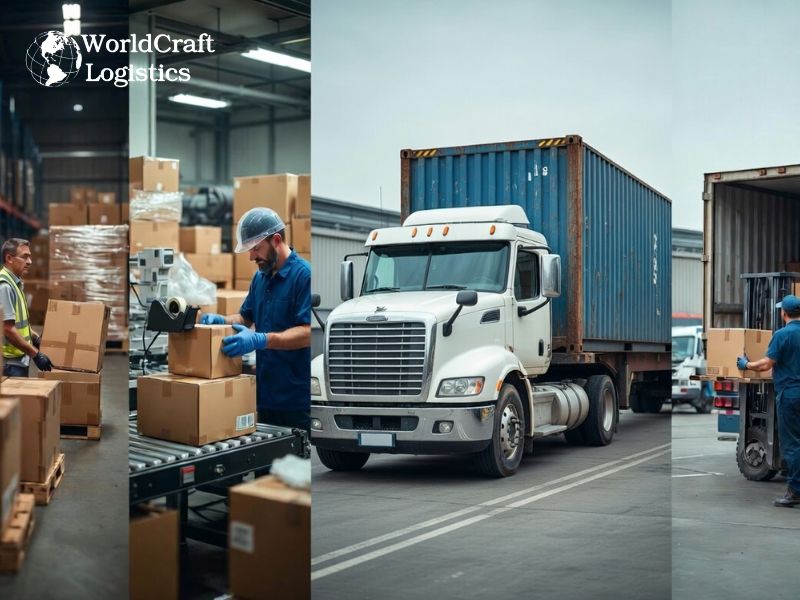
To effectively manage and reduce delivery lead times, it’s important to understand the core components that influence the entire order-to-delivery cycle. Each element plays a unique role and can either shorten or extend the overall timeline, depending on how well it is optimized.
Here’s a breakdown of the 9 key components that dictate delivery lead times:
Want to optimize your fulfillment timeline? Contact Worldcraft Logistics →
Each of these components directly contributes to the total delivery lead time. By identifying bottlenecks and implementing process improvements at each stage, businesses can reduce delays, increase predictability, and enhance customer satisfaction.
Analyzing delivery lead times helps uncover inefficiencies and identify opportunities for improvement in your supply chain. Here’s a quick step-by-step approach:
Even small improvements in one stage can lead to significant gains in overall delivery lead time performance. Consistent analysis helps you stay agile and responsive in a fast-changing logistics environment.
Inconsistent delivery lead times can create major disruptions across your supply chain - from missed production windows to poor customer experiences. Addressing these imbalances requires a mix of visibility, control, and proactive management. Below are specific lead time examples that show how businesses can address and fix imbalances effectively:
Lead Time Example 1: Supplier Causing Repeated Delays
Scenario: A furniture manufacturer noticed their hardwood supplier consistently delivered 7–10 days late.
Solution: They added a secondary supplier closer to their warehouse, reducing dependence on one source. They also renegotiated lead time expectations with penalties for delays.
Result: Average delivery lead time dropped from 21 days to 14 days, and production stayed on schedule.
Lead Time Example 2: Port Congestion Slowing Imports
Scenario: An electronics importer faced frequent delivery slowdowns due to container congestion at the Port of Los Angeles.
Solution: The company rerouted shipments to less congested ports like Oakland and used a mix of intermodal transport to maintain speed.
Result: Despite a longer land route, total lead time became more consistent, avoiding 5–7 day delays at L.A. ports.
Lead Time Example 3: Last-Mile Delivery Inconsistencies
Scenario: An e-commerce brand saw wildly fluctuating last-mile delivery times during holiday seasons.
Solution: They onboarded a regional courier service for urban areas and integrated real-time delivery tracking for customers.
Result: Final-mile lead times improved by 30%, and customer satisfaction scores increased.
Lead Time Example 4: Internal Warehouse Bottlenecks
Scenario: A retailer experienced long order fulfillment times due to manual picking processes.
Solution: They implemented a barcode scanning system and reorganized product zones based on pick frequency.
Result: Order picking time decreased by 40%, significantly cutting total lead times.
These lead time examples show that targeted, operational changes can resolve even complex imbalances. Whether the problem lies with your supplier, port, warehouse, or delivery service, real-time monitoring and agile responses are the key.
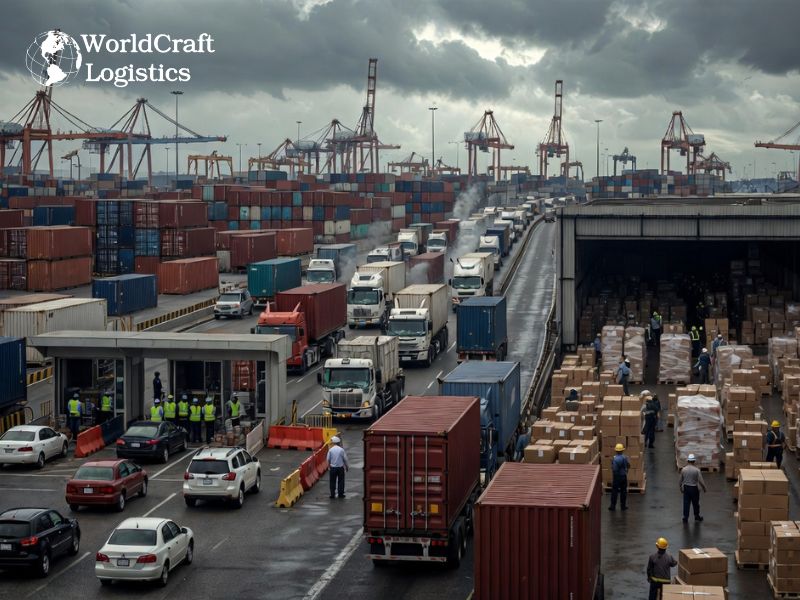
Reducing long delivery lead times requires a proactive, system-wide approach. The key is to identify potential delay points before they impact your supply chain and implement targeted strategies that enhance speed, visibility, and resilience.
Here are proven strategies to help prevent and reduce extended delivery lead times:
Build relationships with dependable suppliers who consistently meet lead time targets. Negotiate clear Service Level Agreements (SLAs) that include lead time commitments and penalties for non-compliance.
Implement just-in-time (JIT) or safety stock strategies based on demand patterns. Use forecasting tools to ensure stock availability without overstocking, which can tie up capital.
Avoid dependence on a single supplier, region, or carrier. Spread your risk by developing multi-sourcing strategies and exploring alternate transport routes or fulfillment centers.
Use modern ERP or warehouse management systems (WMS) to streamline order receipt, picking, and packing. Automation reduces human error and shortens internal processing time.
Adopt real-time tracking tools and predictive analytics to monitor shipment progress and flag potential disruptions early. The more visibility you have, the faster you can respond.
Maintain strong communication with freight forwarders and last-mile carriers. Collaborate on dynamic routing, expedited options, and flexible pickup windows during peak seasons.
Anticipate lead time spikes during holidays or global disruptions (e.g., port strikes, weather events). Pre-book capacity and build lead time buffers during high-risk periods.
Regularly analyze and benchmark your delivery lead times across suppliers, SKUs, and regions. Identify outliers and apply corrective actions where needed.
By combining smart technology, strategic partnerships, and proactive planning, businesses can consistently reduce delivery lead times while enhancing overall supply chain agility and reliability.
Delivery lead times are calculated by measuring the time between when an order is placed and when it is delivered to the final destination. This includes order processing, packaging, transit, and last-mile delivery.
A good delivery lead time depends on your industry and product type. In eCommerce, 1–3 days is ideal. In manufacturing or B2B logistics, 5–10 days may be acceptable. Consistency and meeting customer expectations are key.
Tools like ERP systems, warehouse management systems (WMS), transportation management systems (TMS), and real-time tracking platforms help monitor, analyze, and optimize delivery lead times.
Start with performance reviews and data sharing. Renegotiate SLAs with penalties or incentives. If performance doesn’t improve, consider dual sourcing or replacing the supplier to reduce risk.
Yes. Automation in order processing, warehouse operations, and communication reduces manual errors and accelerates fulfillment speed, ultimately shortening total delivery lead times.
Warehouse efficiency directly affects how quickly orders are processed. Optimizing layout, automating picking/packing, and streamlining inbound/outbound flows all help reduce lead times.
High seasonal demand often causes longer delivery lead times due to order volume spikes, carrier congestion, and limited inventory. Planning ahead and securing capacity early is essential.
Common causes include supplier delays, customs clearance issues, port congestion, carrier capacity shortages, inaccurate forecasting, and internal warehouse inefficiencies.
Use industry reports, logistics KPIs, and benchmarking services. Compare your average lead times to competitors and best-in-class standards in your sector to gauge performance.
No. International delivery lead times are typically longer due to customs, documentation, and longer transit distances. Domestic shipments are faster but still vary by carrier and location.
Here’s the truth - you can’t eliminate delivery lead times, but you sure as hell can control them. The smartest companies don’t just react to delays; they anticipate, analyze, and optimize. It’s rethinking supplier partnerships, investing in smarter tech, or getting razor-sharp on demand forecasting; there’s always a way to improve. In a world where customer expectations are sky-high and loyalty is razor-thin, managing your delivery lead times effectively isn’t optional - it’s essential. So take control. Your future supply chain (and your bottom line) will thank you.

SEO
Digital Marketing/SEO Specialist
Simon Mang is an SEO and Digital Marketing expert at Wordcraft Logistics. With many years of experience in the field of digital marketing, he has shaped and built strategies to effectively promote Wordcraft Logistics' online presence. With a deep understanding of the logistics industry, I have shared more than 500 specialized articles on many different topics.

Education
01/05/2025

Education
02/18/2025

Education
01/01/2024
Education
09/09/2025

Education
08/28/2024