
04/12/2026
Deciding to outsource fulfillment is the biggest operational leap your growing brand will make. In the early days, packing boxes yourself was a badge of honor. Now? It’s a massive bottleneck. Your warehouse shelves are bursting, shipping margins are razor-thin, and your leadership team is drowning in packing tape instead of focusing on revenue growth. Let's break down the exact operational thresholds that signal it’s time to hand off your supply chain to a 3PL.
In simple terms, an outsourced fulfillment model means hiring a third-party logistics (3PL) provider to take over your physical supply chain. Instead of leasing a warehouse and managing a payroll of packers, you ship your bulk inventory directly to a 3PL facility. When an order drops into your system, their team picks, packs, and ships it.
Here is how the operational flow works:
You freight your bulk inventory directly to a 3PL facility.
Your storefront integrates directly with their enterprise Warehouse Management System (WMS).
When a customer buys, the 3PL automatically picks, packs, and ships the order.

Many founders confuse these two models. They are entirely different supply chain strategies.
The complexity of your 3PL setup depends entirely on your sales channels:
B2C E-commerce Fulfillment: Focuses on high-velocity, small-parcel shipping. Success relies on same-day pick-and-pack speeds and a flawless unboxing experience.
B2B Wholesale Fulfillment: A heavyweight operation. Success relies on strict EDI (Electronic Data Interchange) compliance, navigating retail routing guides, palletizing mixed SKUs, and coordinating LTL (Less-Than-Truckload) freight.
Knowing when to leap is critical. If you wait until the wheels fall off, your customer experience will tank. Here are the clear operational triggers indicating your in-house supply chain is actively capping your revenue growth.
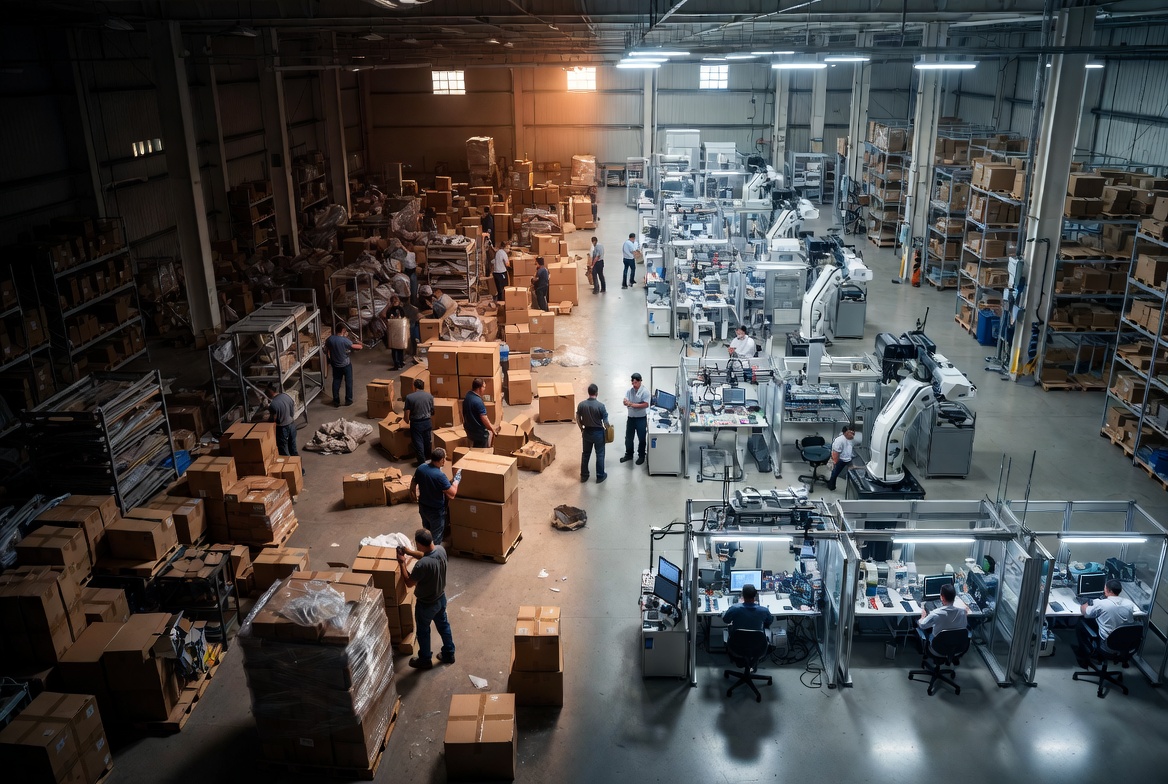
Physical constraints are the most obvious trigger to outsource warehouse operations. What started as a highly organized commercial unit quickly degrades into a labyrinth of overflow boxes.
Maxed-Out Pallet Positions: If you lack industrial vertical racking, you are paying for dead air space while your floor becomes un-navigable.
Plummeting Dock-to-Stock Times: When receiving teams have nowhere to put new inbound freight, aisles get blocked. Pickers can no longer access fast-moving SKUs, and daily output grinds to a halt.
The Seasonal Storage Trap: Commercial leases force you to pay for maximum capacity year-round. If you need 20,000 square feet for Q4 but only 8,000 square feet in the spring, you are burning cash on empty concrete.
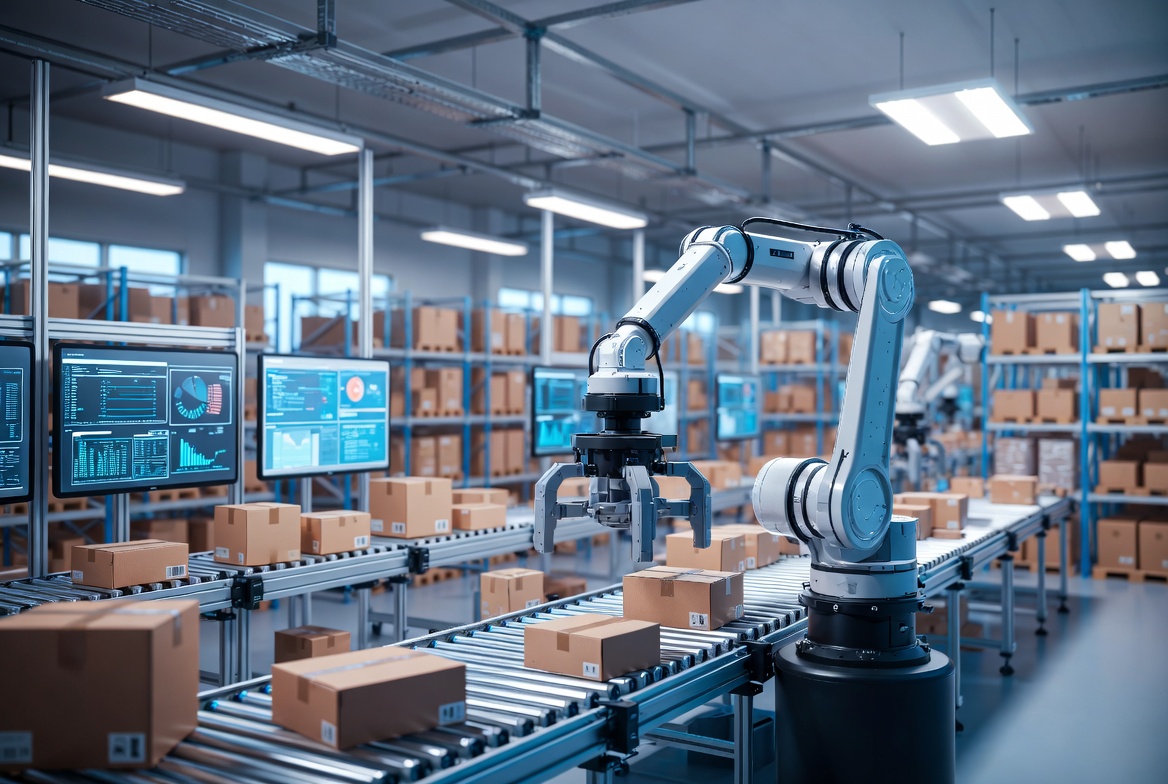
Fulfillment is rarely a flat line. Flash sales, viral marketing moments, and Q4 holiday rushes create massive daily volatility. If you manage your own facility, handling these spikes is a logistical nightmare.
Aggressive Seasonal Hiring: Sourcing, training, and retaining temporary warehouse labor for peak season is expensive and introduces major safety risks.
Skyrocketing Error Rates: Untrained temps make mistakes. Your mis-pick rate climbs, destroying product margins with return shipping costs.
Dead Payroll: Conversely, when sales dip in February, you are still paying full-time warehouse staff to stand around and sweep floors.
The 3PL elasticity model, a dedicated fulfillment partner, absorbs this volatility effortlessly. Because a massive 3PL manages dozens of brands under one roof, they cross-train their workforce. When you get hit with a massive Black Friday spike, they simply reallocate labor to your account. You get flawless execution without conducting a single job interview.

If you are shipping from a single in-house facility in California to customers in New York, you are paying a massive premium for long-distance, high-zone shipping. The US domestic shipping market is divided into geographical zones. The further a package travels, the more it eats into your product margins.
Multi-Node Fulfillment: When you partner with a 3PL, you don't just get a warehouse; you get a distribution network. Splitting your inventory across strategically located US facilities keeps your products physically closer to the end consumer, drastically reducing transit zones and speeding up delivery.
Carrier Rate Aggregation: High-volume fulfillment companies pool the shipping volume of hundreds of brands. This massive leverage allows them to negotiate aggressive discounts with UPS, FedEx, and the USPS rates you simply cannot get on your own.
DIM Weight Mitigation: If you ship large, lightweight items, dimensional weight pricing will crush you. A 3PL uses automated cartonization software to select the exact right box size, eliminating wasted space and lowering your final postage cost.
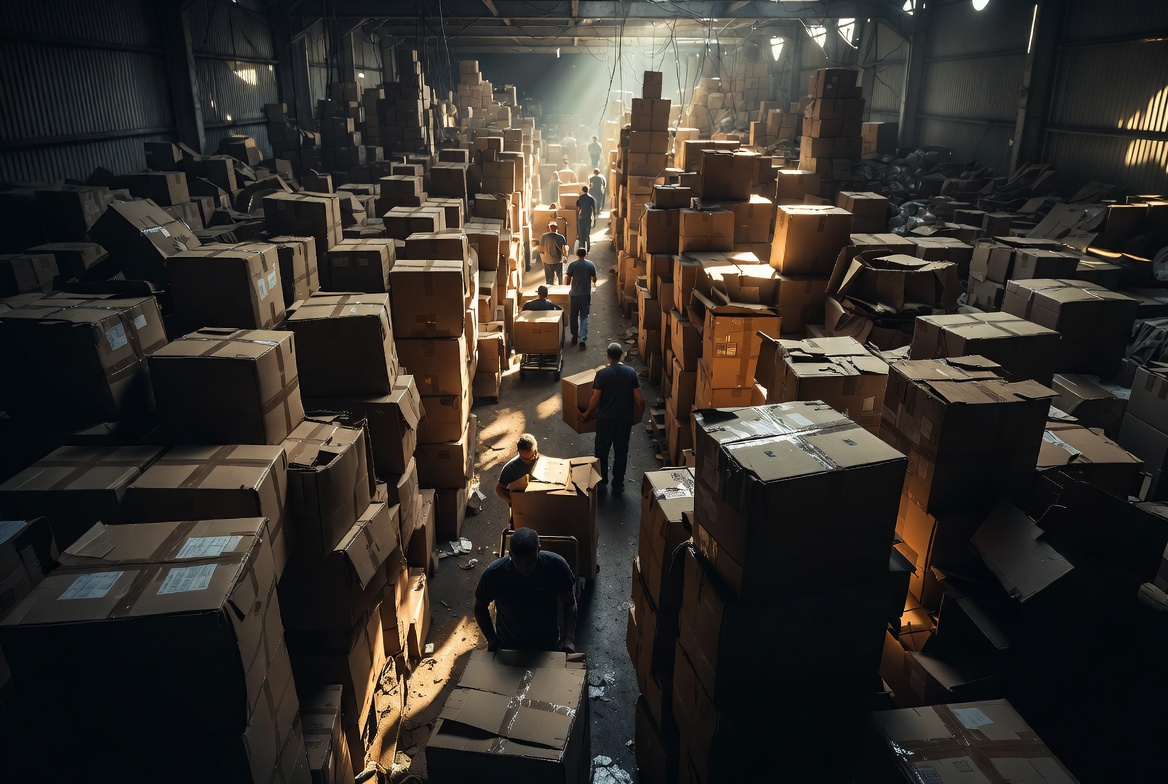
A disorganized warehouse inevitably leads to bad data. When your Shopify or B2B portal tells a customer an item is in stock, but your warehouse team cannot physically find it on the shelf, you are forced into backorders or cancellations.
Rising Shrinkage: Lost, damaged, or stolen inventory that quietly vanishes from your balance sheet.
High Mis-Pick Rates: The cost of a mis-pick is severe. You lose the original shipping cost, pay for the return label, pay for replacement shipping, and risk losing the lifetime value of a frustrated customer.
Chronic Stockouts: Relying on manual counts means you never truly know when to reorder fast-moving SKUs.
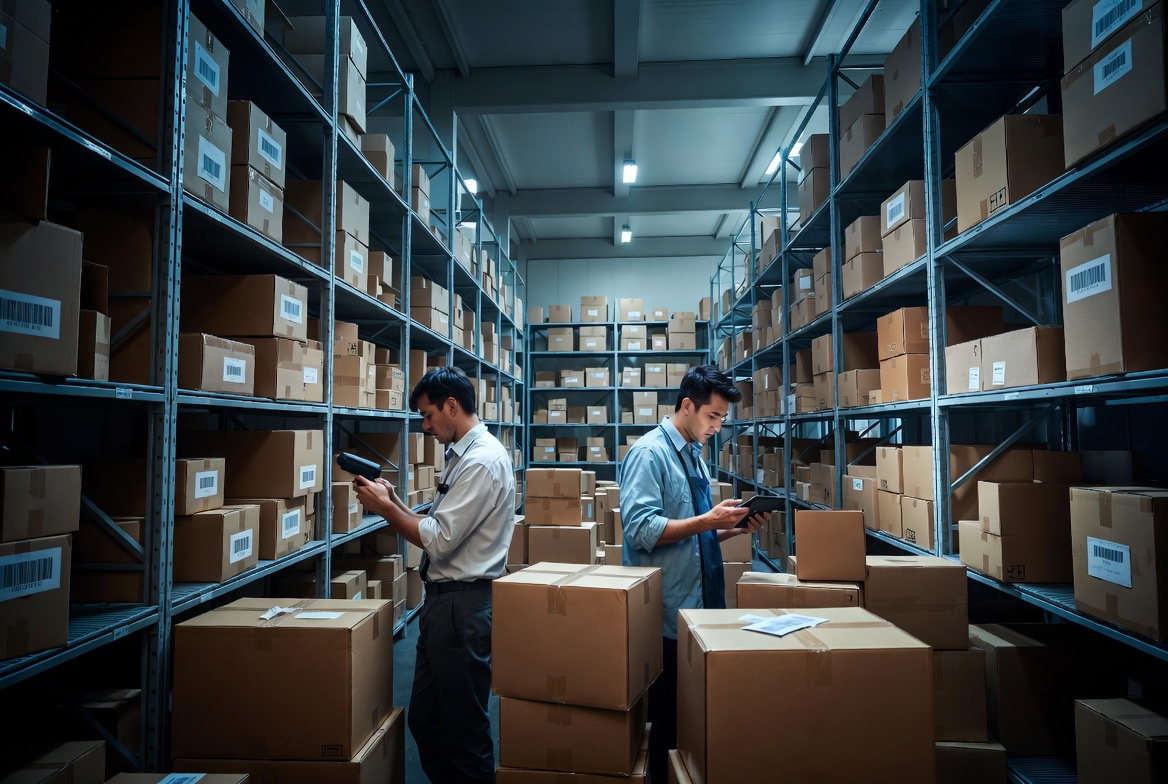
Professional fulfillment 3PL services solve this through strict, system-driven control. They utilize barcode scanning at every single touchpoint from the receiving dock to the final pack-out station, ensuring the physical reality of the warehouse perfectly matches the digital reality of your storefront.
The most insidious cost of in-house fulfillment isn't boxes or bubble wrap; it is opportunity cost.
If your founders, marketing directors, or sales leads are spending their afternoons taping boxes, printing shipping labels, or arguing with freight carriers about missed pickups, they are not engaged in revenue-generating activities.
Stagnant Customer Acquisition: Time spent managing temporary warehouse labor is time stolen from marketing and sales.
Delayed Product Development: You cannot expand your SKU catalog if your current infrastructure can't handle the existing volume.
Executive Burnout: Scaling a business requires strategic focus. You cannot scale a company if leadership is constantly pulled onto the warehouse floor to put out logistical fires.
When you outsource fulfillment, you buy back thousands of hours of executive time, allowing your team to focus on the initiatives that actually move the needle.
🔗 Explore More Fulfillment Insights
The biggest shock to your P&L when transitioning to a 3PL isn't just the shipping rates; it's the fundamental shift in how your business spends money.
When you run your own warehouse, you are bogged down by rigid capital expenditures (CapEx). When you partner with a 3PL, you unlock a scalable, pay-as-you-go infrastructure.
Here is the stark operational reality between the two models:
If your team is managing inventory across multiple sales channels using Excel or basic apps, you are bleeding money through stockouts and mis-picks.
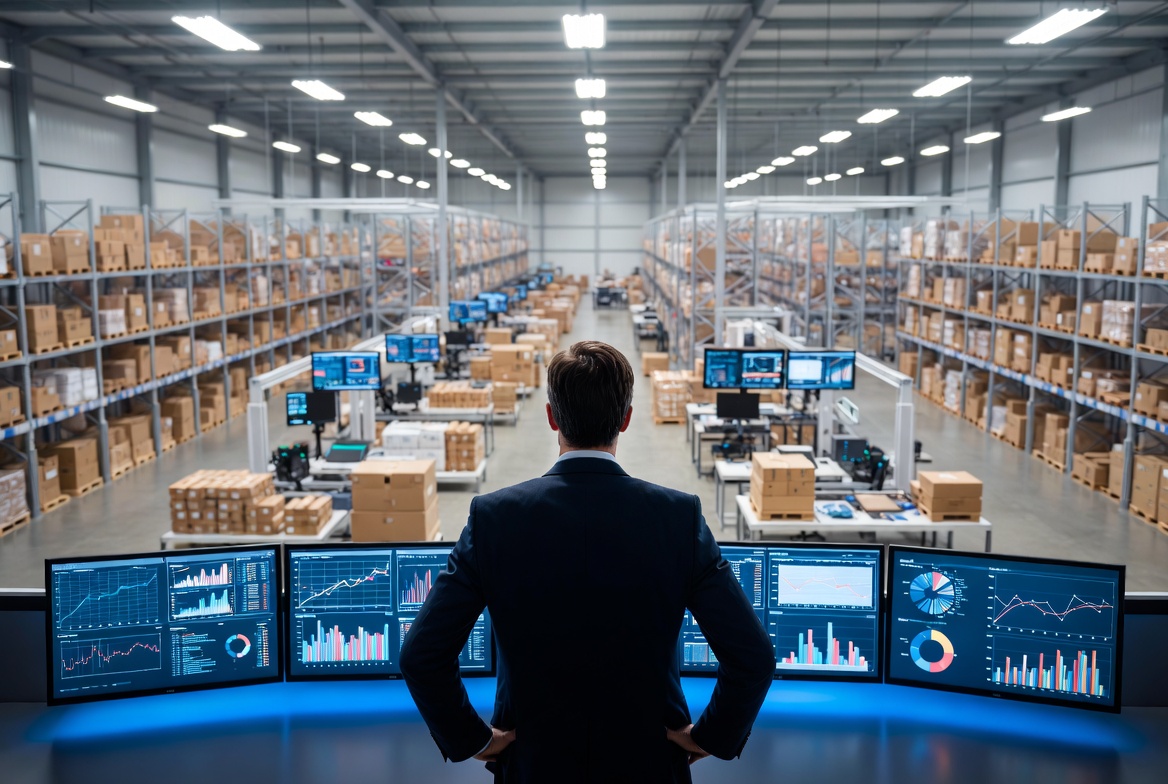
A massive advantage of outsourced fulfillment services is the immediate tech upgrade. A professional 3PL plugs your storefront directly into an enterprise WMS. This means:
Real-time barcode scanning at every touchpoint (receiving to pack-out).
Automated carrier routing to find the most cost-effective shipping label instantly.
Live inventory visibility so your storefront never oversells a SKU.
The cost of outsourcing order fulfillment services typically ranges from $2.00 to $5.00 per order for picking and packing, plus variable monthly fees for storage and inbound receiving. Unlike fixed commercial warehouse leases, 3PL pricing utilizes a usage-based structure, ensuring you only pay for the exact warehousing infrastructure and labor you consume as your order volume fluctuates.
Here is a breakdown of standard 3PL fulfillment costs:
*Note: These figures represent operational warehousing costs. Outbound carrier postage (UPS, FedEx, USPS) is billed separately, though partnering with a 3PL grants you immediate access to their heavily discounted, aggregated shipping rates.
Scale your eCommerce operations with a trusted 3PL partner in the USA, designed to reduce fulfillment costs and accelerate delivery times. Worldcraft Logistics delivers end-to-end solutions from inventory management to last-mile shipping built for high-growth brands.
Get Your 3PL Fulfillment Quote →Handing over your physical supply chain to a third party is a massive leap of faith. While a 3PL solves space and labor constraints, it introduces entirely new operational vulnerabilities. You must manage these risks proactively before signing a contract.
Loss of Direct Control: You can no longer walk onto the warehouse floor to visually inspect a custom package before it ships. You are trusting an external workforce to maintain your brand’s unboxing experience and quality standards.
Data Integration Failures: Your storefront (Shopify, Magento) or enterprise ERP must maintain a flawless API or EDI connection with the 3PL’s Warehouse Management System. If inventory syncs lag, you risk overselling out-of-stock items.
Service Level Agreement (SLA) Breaches: If your partner consistently misses same-day shipping cut-offs or fails to process returns within 48 hours, your brand reputation takes the hit. A weak SLA leaves you paying for poor performance without recourse.
Contractual Pitfalls: Watch out for hidden costs. Strict monthly order minimums, aggressive long-term storage penalties, or bloated account management fees can quickly destroy the variable cost advantage of outsourcing.
Communication Bottlenecks: When a VIP customer needs a last-minute address change, you need immediate action on the warehouse floor. Poor 3PL communication channels turn minor, fixable shipping errors into lost customers.
Selecting a logistics partner is essentially hiring a new operational wing for your company. Do not base this decision purely on the cheapest pick-and-pack rate. Use this evaluation framework to audit potential 3PLs before handing over your inventory. The 3PL evaluation checklist:
Technology Stack and Integrations: Do they offer native API connections for your e-commerce platform (Shopify, BigCommerce) and full EDI compliance for your B2B retail channels?
Real-Time Reporting Dashboards: Will their Warehouse Management System give you 24/7 live visibility into inventory levels, transit times, and returns?
Strategic Warehouse Locations: Does their facility network align with your customer demographics? You need multi-node capabilities to cut long-zone shipping costs.
Omnichannel Capacity: Can they seamlessly transition between high-velocity D2C parcel shipping and complex B2B wholesale requirements like palletization and LTL freight routing?
Transparent Pricing: Do they provide a clear, itemized rate sheet? Watch out for hidden account management fees or vague service charges.
Reverse Logistics: Do they have a dedicated returns handling process to inspect, process, and restock items swiftly?
The decision to transition your supply chain to a third party ultimately comes down to ROI and scalability.
When you outsource fulfillment, you immediately convert rigid fixed overhead into a flexible variable cost. You unlock faster delivery times through a distributed warehouse network. You lower your per-order shipping costs by leveraging aggregated carrier rates. Most importantly, you recover the thousands of hours your leadership team currently spends managing warehouse labor, allowing them to refocus entirely on driving revenue and improving customer satisfaction.
Hitting an operational wall is a sign of success. It means market demand for your product has officially outgrown your internal physical capabilities. To keep scaling, you need infrastructure that can absorb volume spikes and execute flawless deliveries without draining your cash flow.
Worldcraft Logistics provides the enterprise warehouse infrastructure, advanced systems integration, and deep operational expertise required to modernize growing supply chains. Whether you need seamless B2B wholesale distribution or high-velocity ecommerce fulfillment, partnering with a scalable logistics architect ensures your operations become a competitive advantage, not a bottleneck.

SEO
Digital Marketing/SEO Specialist
Simon Mang is an SEO and Digital Marketing expert at Wordcraft Logistics. With many years of experience in the field of digital marketing, he has shaped and built strategies to effectively promote Wordcraft Logistics' online presence. With a deep understanding of the logistics industry, I have shared more than 500 specialized articles on many different topics.
Education
01/05/2025
Education
02/18/2025
Education
01/01/2024
Education
09/09/2025
Education
08/28/2024