12/25/2025
A poorly executed warehouse relocation can silently drain your budget and cripple your supply chain overnight, turning a strategic expansion into a logistical nightmare. Are you truly prepared to manage the complex, or are you risking catastrophic downtime that could cost you your most valuable customers? This guide cuts through the chaos, delivering the essential warehouse relocation project plan, comprehensive checklists, and expert best practices you need to ensure a seamless transition that protects your bottom line.
A warehouse relocation project plan is a comprehensive strategy for migrating a storage or distribution center from one location to another. It is a complex logistical project that demands months of preparation, typically starting 6 to 12 months in advance to minimize operational disruption.
Beyond simply hiring trucks, a successful plan coordinates detailed inventory audits to declutter obsolete stock, the safe transfer of heavy equipment like racking and forklifts, and the seamless migration of IT systems. It requires designing a new facility layout that prioritizes safety and flow, while simultaneously managing clear communication with customers and suppliers. By engaging professional logistics partners and training staff on new protocols, the plan ensures a smooth transition that secures business continuity and paves the way for future growth.
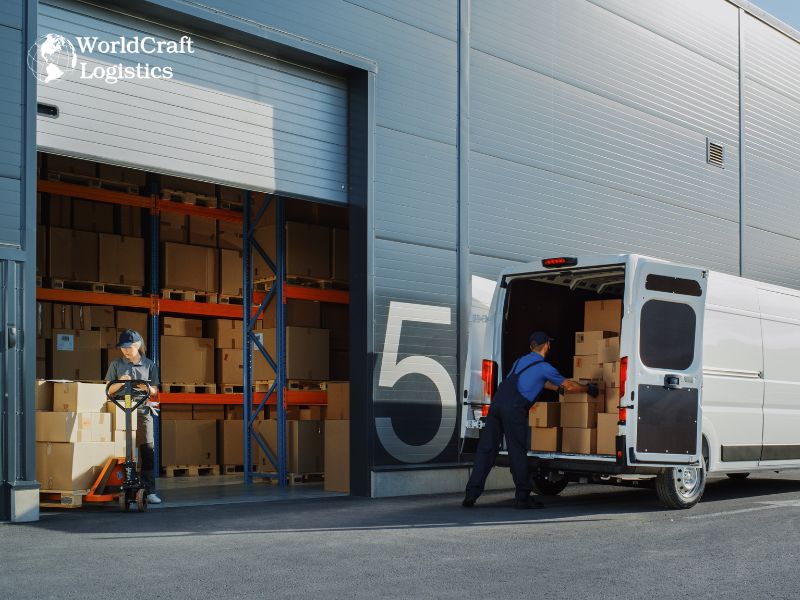
Many logistics managers underestimate the lead time required for a successful move. The industry standard suggests that planning should begin well before the lease expires.
Attempting a move without a phase-gated strategy often results in:
Lost Revenue: Inability to fulfill orders during the transition week.
Compliance Violations: Fines related to safety standards or occupancy permits in the new jurisdiction.
Inventory Ghosts: Stock that exists in the system but physically disappears during transit.
By partnering with professional warehouse relocation services, you transform these risks into calculated steps. The goal is zero downtime, a state where your old facility remains operational until the moment the new one goes live.
*Best topics for you:
How do you plan a warehouse relocation? The process begins long before the first box is packed. Phase 1 is about data, budgeting, and team alignment.

You cannot manage this alone. Establish a dedicated committee with clear roles. Your Move Manager should have the authority to make quick financial decisions.
Project Lead: Oversees the master timeline and vendor relationships.
Inventory Manager: Responsible for the SKU audit and stock integrity.
IT Specialist: Handles server migration, WMS connectivity, and cabling.
Operations Manager: Ensures current orders continue to flow during the transition.
Budgeting for a warehouse relocation is often where companies falter. Beyond the obvious costs of truck rentals, you must account for hidden logistics costs.
CapEx vs. OpEx: Determine if new racking or automation equipment will be capitalized or treated as an operational expense.
Dilapidations: The cost to repair your old warehouse to meet lease surrender obligations.
Double Rent: You will likely need to pay rent on both properties for at least one month to allow for a staggered move.
Use a warehouse relocation action plan template to map out critical milestones.
6 to 12 Months Out: Finalize the new lease and audit current inventory.
4 Months Out: Select warehouse relocation companies and finalize layout designs.
2 Months Out: Begin purging dead stock and order new signage/racking.
1 Month Out: IT systems testing and employee training.
Once your strategy is in place, you need a tactical checklist to execute the physical preparation. This phase focuses on your assets: the inventory you sell and the infrastructure that holds it.

Moving is the perfect time to clean house. There is no financial logic in paying to relocate dead stock (items that haven't sold in 12 months).
Categorize SKUs: Separate high-velocity items from slow movers.
Liquidate Obsolete Stock: Run a clearance sale or donate dead stock to reduce the moving volume.
Consolidate Pallets: Repack partially full pallets to maximize truck space and reduce shipping costs.
One of the most technically challenging aspects of the move is the warehouse racking relocation. You generally have two options: buying new racking for the new site or dismantling and moving your existing setup.
If you choose to move your current racking, timing is critical. You cannot dismantle your current racks while they are still holding the inventory you need to ship.
The Swing Space Strategy: Most businesses set up a small percentage of new racking at the destination first. They move the first batch of inventory there, dismantle the now-empty racks at the old site, ship them, reassemble them, and repeat.
Safety Inspection: Used racking must be inspected for structural integrity after re-assembly. Bolts can loosen, and steel can warp during transit.
Your physical stock is useless if your WMS cannot locate it. The IT transfer often dictates the moving schedule.
Connectivity: Ensure fiber optics and Wi-Fi access points are installed at the new site weeks before move day.
Data Migration: Backup your WMS data. During the actual move, there will be a blackout period where inventory data must be frozen to prevent discrepancies.
Hardware Testing: Test all barcode scanners, printers, and conveyor sensors in the new environment before the first shipment arrives.
d. Optimize the New Layout
Do not simply replicate your old floor plan. Use this opportunity to fix inefficiencies.
Flow Analysis: Design a layout that minimizes forklift travel time.
Dock Management: Ensure your receiving and shipping docks have adequate staging areas to prevent bottlenecks during the chaotic moving week.
Selecting the right partner is arguably the most critical decision in your warehouse relocation project plan. Unlike a standard office move, a warehouse transition involves heavy industrial machinery, sensitive inventory, and complex liability issues.
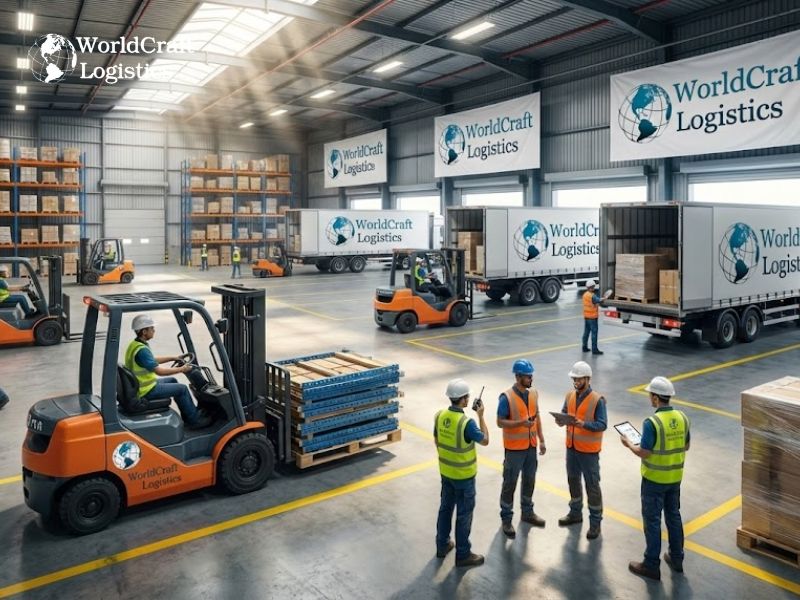
Many businesses attempt to cut costs by using internal staff or generalist movers, but this often leads to higher expenses in the long run due to damaged equipment or injury claims. Partnering with specialized warehouse relocation services offers distinct advantages:
Specialized Equipment: Professionals arrive with heavy-duty skates, hydraulic jacks, and forklifts capable of moving tons of machinery safely.
Risk Mitigation: Reputable warehouse relocation companies carry comprehensive cargo and liability insurance. If a forklift is dropped or inventory is damaged during transit, your balance sheet is protected.
Operational Continuity: Experts know how to execute a move in waves, ensuring that a portion of your inventory remains available for fulfillment throughout the transition.
When vetting potential partners, look beyond the lowest price tag. You need a partner who understands the intricacies of supply chain logistics.
Experience with Your Industry: Do they have a track record with cold chain storage, hazardous materials, or oversized industrial goods?
Turnkey Solutions: The best warehouse relocation companies offer end-to-end services. This includes dismantling (teardown), transportation, and re-installation of racking systems.
Safety Record: Request their safety statistics. A company with a history of accidents is a liability to your brand and your workforce.
Often, you aren't just moving; you are also decommissioning the old site. Look for providers that handle warehouse relocation & removal. This ensures that any leftover debris, old racking, or damaged pallets are disposed of responsibly, helping you recover your security deposit on the old lease.
The planning is done. Now, the trucks are at the dock. This phase focuses on the physical execution of the move, often referred to as the Go-Live week.

How to relocate a warehouse without halting sales? Adopt a strategic loading sequence.
Low-Velocity Goods First: Move your slow-moving SKUs and seasonal stock first. These can be set up in the new facility while you continue to fulfill active orders from the old site.
High-Velocity Goods Last: Your best-sellers should be the last items to leave the old warehouse and the first to be unpacked at the new one. This minimizes the time these critical items are offline and inaccessible.
During the move, chaos is the enemy. Establish a central command hub, either physical or digital, where the Project Lead can monitor progress.
Real-Time Tracking: Use GPS tracking on trucks to synchronize the arrival of goods with the readiness of the receiving docks.
Communication Channels: Ensure all team members have working radios or a dedicated chat channel. Quick communication is vital if a truck breaks down or a dock becomes gridlocked.
Warehouse relocations are high-risk periods for workplace injuries. Fatigue and rushing can lead to accidents.
Designated Walkways: clearly mark pedestrian zones separate from forklift paths at both the old and new sites.
Personal Protective Equipment (PPE): Ensure all staff and temporary movers are wearing steel-toed boots and high-visibility vests.
Spotters: Use spotters when moving oversized loads or navigating tight corners with heavy machinery.
The trucks have departed, and the lights are on, but the project is not complete. The first weeks in a new facility are critical for identifying teething problems before they impact your customer service levels.

Before ramping up to full capacity, conduct a full stress test of your systems.
WMS Verification: Ensure that bin locations in the system match the physical reality. A mismatch here will cause picking errors immediately.
Equipment Calibration: Check that conveyor speeds, weighing scales, and wrapping machines are calibrated correctly after the move.
Your staff is working in a new environment, which invalidates much of their muscle memory.
New Traffic Flows: Walk the floor with your team to demonstrate new one-way systems or forklift lanes.
Emergency Drills: Conduct a fire drill and evacuation test within the first week to ensure everyone knows the new assembly points.
Compare your pre-move inventory count with your post-move count. Identify any discrepancies immediately. If you used professional warehouse relocation services, this is the window to file claims for any missing or damaged goods.
At Worldcraft Logistics, we recognize that a warehouse relocation is more than a transport job; it is a business transformation project. We don't just move boxes; we move businesses.
Comprehensive Project Management: Our team integrates into your operations, providing end-to-end management of the entire lifecycle. From the initial warehouse relocation project plan to the final safety audit, we handle the complexity so you can focus on your customers.
Zero-Downtime Solutions: We specialize in phased transitions. By strategically moving inventory and equipment in waves, we ensure that your ability to process orders never hits zero. Our expertise in warehouse relocation & removal means we also handle the clean-out of your old site, ensuring a smooth handover to landlords.
Ready to move? Let Worldcraft Logistics be the architect of your next big step.
>>> GET A QUOTE NOW

SEO
Digital Marketing/SEO Specialist
Simon Mang is the SEO and Digital Marketing Specialist at Worldcraft Logistics, where he leads content strategy to promote the company's online presence. With years of experience in digital marketing and a strong understanding of the logistics industry, he has published more than 500 specialized articles across freight, warehousing, and supply chain topics. ( Reviewed for accuracy by the Worldcraft Logistics Operations Team ).